In October, the month dedicated to cervical cancer prevention awareness, women in São Paulo have reported significant difficulties scheduling appointments with gynecologists in the public health system. Patients report facing extended waiting periods to receive care at the Basic Health Units (UBSs) of the capital city.
Although campaigns like Pink October are visible in South Zone UBSs, promoting messages such as 'Have you had a Pap smear?' and 'Cervical cancer is 100% preventable,' the reality experienced by women seeking gynecological care is one of significant obstacles to getting an appointment.
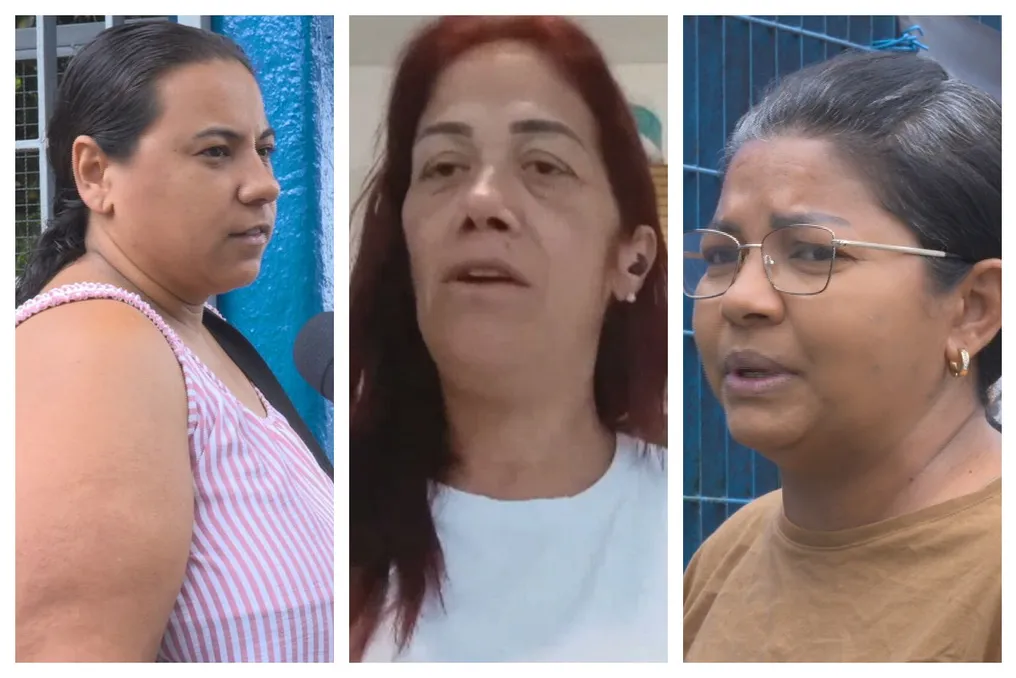
Elizabeth Fiorini, a housewife, reported accompanying her sister who, after being seen by a general practitioner, needs a referral to a gynecologist, but the attendants state that there is 'no scheduling available.'
Other patients in the capital's public network state that the wait for a gynecologist and medical exams can extend for almost a year. Rosilene Nilda, also a housewife, mentioned that the wait for a general practitioner can reach three months and that she cannot schedule through the Agenda Fácil application.
Clemenir Gomes Costa, a hairdresser at the Vila Missionária UBS in the South Zone, declared that she could not get a gynecological appointment that year, having had a one-year gap since her last consultation, and that she had to go to the unit daily to try and book one.
Difficulty Scheduling Exams
Josélia da Silva Oliveira managed to schedule an appointment for November after continuous attempts via the application since January. She went to the health unit to undergo preliminary exams before meeting the doctor, as this would avoid another wait of about six or seven months for a follow-up.
However, Josélia was unable to take the exam on the scheduled day and will have to return at another time to try for a new appointment. At the Vila das Mercês UBS, also in the South Zone, Luciana Silva described a similar situation, where the time between taking an exam and the follow-up consultation was so long that the doctor reprimanded her for the exam being expired.
Luciana stated that she waited a year to present the exam, but was criticized by the doctor. She only managed to get care that year because it was an emergency, as she has fibroids, and she is still awaiting the follow-up for the exam.
The Importance of Gynecological Follow-up
Access to a specialist through the Unified Health System (SUS) begins at the UBS, where the patient must first be evaluated by a general practitioner. If the professional identifies a specific need, they make a referral to a specialist, such as a gynecologist, for diagnostic exams and consultations.
According to the Municipal Health Secretariat (SMS), the city has 1,747 teams focused on the female population. It is essential that gynecological follow-up is not only done when problems arise but also regularly to prevent illnesses and detect changes early.
Delayed diagnosis poses risks to women's lives. Gynecologist Dr. Sérgio Podgaec, president of the Brazilian Federation of Gynecology and Obstetrics (Febrasgo), warned that the absence of exams prevents the early identification of conditions such as cervical and breast cancer.
Sérgio Podgaec emphasized that when these diseases are discovered in early stages, the chances of cure are extremely high. He stressed that it is possible to diagnose diseases that have not yet become cancer or cancer itself in its initial phase, ensuring excellent treatment.
During the journalistic coverage, the women reinforced the relevance of periodic exams and expressed concern about the slowness of the service. One interviewee stated that it is the woman's duty to undergo exams annually, as delaying them can lead to late cancer detection.
São Paulo City Hall's Position
In an official statement, the São Paulo City Hall denied the existence of a backlog of demand for gynecological care in the city. The municipal administration informed that, between January and July of the current year, over 673,000 attendances were provided at the UBSs, and all these services are available for consultation through the Busca Saúde system online.