A significant conservation initiative is underway in central Mozambique, transforming a landscape previously scarred by war into one of Africa's most inspiring wildlife recovery stories.
In Gorongosa National Park, elephants roam freely, lions move across the savanna, and researchers study the exceptional biodiversity of nearby mountain forests. However, the park's revival goes beyond simply bringing back animals; it also involves ecosystem restoration, supporting local livelihoods, and demonstrating the dependence of future conservation on the people living alongside wildlife.
Established in 1960, Gorongosa National Park is located in Sofala Province, Mozambique, at the southern end of the Great Rift Valley. Its territory encompasses open grasslands, forested savanna, seasonal wetlands, rivers, and mountain habitats, forming a mosaic of environments that supports a vast diversity of wildlife. For a long time, the park was considered one of Africa's premier safari destinations.
This reputation was undermined during the Mozambican civil war, which lasted from 1977 to 1992. Wildlife populations suffered massive losses due to poaching for meat and ivory, and the conflict disrupted park protection and management. In the following years, the task was not only to restore a renowned safari destination but also to reconstruct an ecosystem whose natural balance had been severely disturbed.
The restoration began gaining momentum in the early 2000s with the Gorongosa Restoration Project, which laid the foundation for long-term rehabilitation. In 2008, the Government of Mozambique and the Carr Foundation established a public-private partnership focused on biodiversity and ecotourism conservation, as well as human development in surrounding communities. This agreement was extended for another 25 years in 2018.
The approach recognized that a functioning national park requires more than just protected boundaries. Animals need healthy habitats, rangers need resources for protection, and neighboring communities must have opportunities to benefit from a thriving natural environment.
The restoration of Gorongosa's fauna required years of work in monitoring, habitat management, anti-poaching efforts, and carefully planned animal reintroductions. The goal is not merely to increase animal numbers but to create a functioning ecosystem where various species can perform their ecological roles.
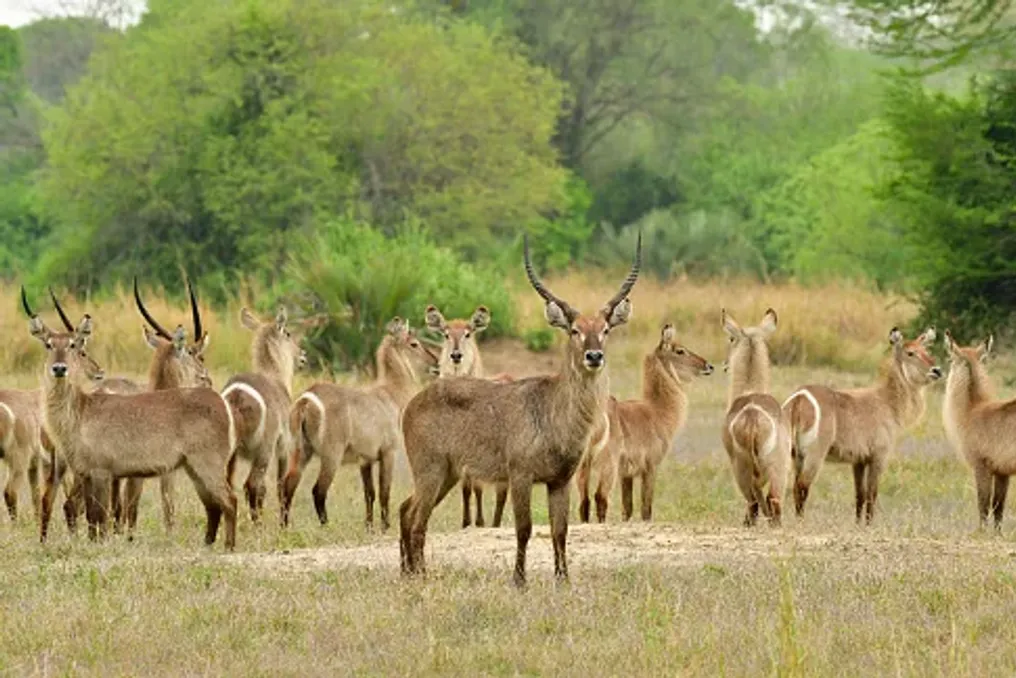
Large herbivores, such as elephants, buffalo, and zebras, influence the landscape through grazing, vegetation consumption, seed dispersal, and movement across biotopes. Predators, in turn, help regulate prey populations and contribute to complex relationships that shape the ecosystem.
Restoration efforts included the return of species such as African wild dogs, also known as painted wolves, as well as zebras, hyenas, and leopards. These efforts are supported by veterinary teams, wildlife monitoring, and constant protection.
The results are measurable. According to the Gorongosa Restoration Project report for 2024, aerial surveys counted 110,513 large animals within the national park, the highest figure recorded by the project to date. The same report documented the translocation of seven hyenas, 32 zebras, and two leopards during the year.
These figures provide an encouraging snapshot of the recovery, although population counts alone are not enough to tell the whole story. Long-term success also depends on habitat quality, species diversity, genetic health, and the ability of wildlife populations to withstand future environmental threats.
Wildlife recovery depends on the people working behind the scenes. The Gorongosa Department of Wildlife employs rangers and specialists responsible for law enforcement, animal management, reintroductions, and human-wildlife coexistence. Official department information states that over 300 people work there, with the workforce predominantly from Mozambique.
Their activities range from wildlife observation and emergency response to preventing poaching and assisting in managing human-wildlife encounters.
For visitors, the result can be a memorable sighting of elephants crossing a floodplain or a predator resting in the shade. Behind these moments is a sustained effort to protect the conditions that allow wildlife to survive.
More Than Just the Park's Savanna and Floodplains
Beyond the park's more famous savannas and floodplains, there is another world. Mount Gorongosa rises above the surrounding landscape, supporting tropical forest, mountain grasslands, and diverse habitats, making the broader Gorongosa ecosystem particularly vital for biodiversity.
The mountain is not just a picturesque backdrop for safaris on the plains below. Its forests play a crucial role in regional water supply systems, and its diverse habitats provide homes for plants and animals that might be overlooked in the more conventional narrative of African megafauna.
The montane forests collect and regulate water, helping to sustain the streams and rivers that feed the surrounding landscape. Rivers originating on Mount Gorongosa are especially important for the national park's floodplains and the wildlife dependent upon them.
However, these forests face pressure from deforestation and loss of natural vegetation. Protecting them requires a holistic approach that considers the entire landscape: from mountain slopes and agricultural lands to rivers and wetlands. Thus, forest restoration is closely linked to the future of the savanna below.
Damage to the mountain watersheds can affect water availability and habitat health throughout the wider ecosystem.
Gorongosa has also become an important center for ecological research. Its scientific program supports the study of biodiversity, animal behavior, ecology, and long-term ecosystem restoration. Researchers use wildlife observations, field studies, and other monitoring methods to understand how species and habitats respond to conservation measures. The park's scientific work also provides opportunities for student training and the development of expertise in nature conservation in Mozambique.
This research helps answer practical questions: How do large herbivores impact vegetation? How does fire shape the savanna? Which habitats require urgent protection? And how can conservation managers determine if interventions yield long-term results? The answers help inform local decisions, turning Gorongosa into a living laboratory where restoration can be studied and improved over time.
One of the most significant aspects of the Gorongosa approach is the recognition that wildlife cannot be protected in isolation from the lives of people in the surrounding region. Communities living near protected areas depend on the land for sustenance, income, and natural resources. When conservation restricts access to resources without offering viable alternatives, it can create tension. However, when it creates opportunities and improves livelihoods, local residents can become active partners in environmental protection.
Thus, the Gorongosa restoration program extends beyond park boundaries, incorporating initiatives in agriculture, education, healthcare, and sustainable development. A prime example is the coffee cultivation program on Mount Gorongosa. Launched in 2014, this initiative introduced Arabica grown under local shade trees. This agroforestry approach offers farmers a commercial crop while helping to restore tree cover and reduce pressure on deforestation for agriculture. The coffee is processed locally and sold in Mozambican and international markets.
The model links environmental restoration with household income. Instead of viewing agriculture and forest conservation as competing priorities, it seeks to make them mutually supportive. The program has expanded significantly. According to official Gorongosa product information, over 1,600 farmers cultivate coffee on an area exceeding 500 hectares. A broader agricultural portfolio also includes honey, chili, and cashew, creating additional opportunities for producers in communities around the park.
These enterprises are important because conservation must be economically viable for the people whose daily decisions affect the landscape. A farmer who can earn income from a shaded crop has a practical incentive to help preserve the trees that support it. Although farmers still face challenges related to weather, markets, transport, and production costs, this demonstrates how carefully designed agricultural programs can promote both rural development and environmental restoration.
Gorongosa's programs for local communities also address needs beyond farming. The restoration project supports educational initiatives, medical services, and youth opportunities, recognizing that healthy communities are an integral part of a sustainable conservation landscape. Education can help youth develop skills and explore future professions, including science, tourism, and conservation. Health initiatives can improve access to basic services in rural areas, while agricultural support can help households strengthen food security and income.
These programs are not separate from the park's ecological mission. They are part of a broader strategy where biodiversity protection and human well-being improvement are viewed as interconnected goals. This link is particularly crucial in the Gorongosa mountain area, where forest protection must consider the needs of people living and farming on its slopes. Long-term success depends on finding ways for communities to benefit from healthy landscapes without depleting the resources they depend on.
For travelers, Gorongosa offers a chance to witness the history of conservation unfolding in real time. The park's appeal lies in the diversity of landscapes and activities: from wildlife viewing on open plains to exploring the mountain environment and learning about conservation work. The park's savannas and seasonal wetlands serve as habitats for elephants, lions, buffalo, hippos, zebras, and many other species. Lake Urema and its surrounding floodplains are defining features of the landscape, changing with the seasons as water levels rise and fall.
Guided tours allow visitors to observe wildlife while learning about the interconnections between animals, vegetation, and water. Birdwatching is another attraction, as the park's diverse habitats support rich avian diversity. Wildlife sightings are not guaranteed, and the experience depends on factors such as season, rainfall, and animal movements. This unpredictability is part of what distinguishes visiting functioning wildlife from a mere attraction.
The Gorongosa Mountains offer a contrasting experience to the open plains. Visitors can explore mountainous terrain, forested slopes, and waterfalls, including Murumbodzi Waterfall, located in the mountain landscape. Hiking and other activities should be organized through authorized park operators, with access depending on conditions and current visitor plans. This side of Gorongosa is particularly valuable for travelers interested in plants, landscapes, and conservation outside of traditional safari. It also provides insight into the ecological links between the montane forests and the rich lowlands. The Gorongosa restoration work adds an extra dimension to the visit. Tourism can help generate income for conservation and local livelihoods, and tours offer opportunities to learn about the park's ecological and social programs. Official visitor information describes accommodation options and available activities. Travelers should check current access conditions and seasonal specifics.