Variety of vegetables is crucial for health, even when following consumption recommendations
Read more
Super Abril
super.abril.com.br

Variety of vegetables is crucial for health, even when following consumption recommendations

Even those who follow the guideline to consume five daily servings of fruits and vegetables may not be absorbing an adequate amount of beneficial substances for cardiovascular health. A study published in the journal Food & Function, which analyzed data from over 30,000 individuals in the United States and the United Kingdom, points to this issue.

The researchers investigated whether current healthy eating guidelines are sufficient to ensure the intake of approximately 500 milligrams of daily flavonoids, which are bioactive compounds naturally found in vegetable foods and belong to the flavonoid family. These compounds help improve vascular function, promote nitric oxide production (which leads to artery dilation), and possess antioxidant and anti-inflammatory properties.

The team evaluated participants' dietary patterns using urinary biomarkers to objectively estimate the consumption of these compounds. The findings indicate that people with higher quality diets and greater consumption of fruits and vegetables do indeed ingest more flavonoids. However, less than 25% of those who follow nutritional recommendations reach the quantity considered beneficial for the heart.

Importance of dietary diversification

According to the authors, this disparity occurs because not all types of fruits and vegetables contain the same concentration of these compounds. Nutritionist Letícia do Vale Pires, from Einstein Israelite Hospital, comments that although there are no official recommendations yet regarding the daily intake of flavonoids, the studies reinforce the need for a diet rich and varied in plant-based products.

Important sources of flavonoids include green tea and black tea, cocoa, apple with skin, grapes (especially purple ones), pear, and berries. Although greens, vegetables, and legumes also contain these compounds, their concentrations tend to be lower.

The specialist advises focusing on variety, alternating the fruits consumed, keeping the skin whenever possible, incorporating beans and other legumes (such as lentils, chickpeas, peas, and soy) into meals, and replacing sugary drinks with unsweetened teas. Another suggestion is to prefer chocolates with a minimum of 70% cocoa content. Pires emphasizes that there is no single miracle food; the determining factor is a balanced and diverse dietary pattern.

The preparation method can also affect the amount of nutrients. Cooking food for long periods and discarding the cooking water can reduce some beneficial compounds, as can removing the skin from fruits like apples, where they are concentrated to a greater degree. The recommendation is to mix raw and cooked preparations, maintaining a diet abundant in plant-based foods.

Benefits for at-risk groups

Individuals with higher cardiovascular risk, such as those with hypertension, diabetes, high cholesterol, obesity, or a family history of heart problems, can benefit from a diet rich in flavonoids. However, it is essential to emphasize that these foods do not replace medical monitoring or prescribed drug treatments. The nutritionist warns that they integrate a set of healthy habits that aid in the prevention and control of these diseases.

To suggest a meal plan, the specialist indicates that breakfast can include apple with skin, oats, and a cup of green or black tea. For the morning snack, grapes or berries are suggested. Lunch should feature a varied salad, vegetables, and beans. In the afternoon, a small portion of chocolate with at least 70% cocoa can serve as a snack. For dinner, a colorful salad, vegetables, and a fruit as dessert are recommended.

Despite the positive results presented, there are no official guidelines established for the daily intake of flavonoids or for supplementation. The general recommendation to consume five servings of fruits and vegetables daily, regardless of type, remains valid.

Similar stories

Study indicates that vegan diet may aid in weight control, depending on food quality
Read more
super.abril.com.br

Study indicates that vegan diet may aid in weight control, depending on food quality

Scientific research published in August in the journal JAMA Network Open indicated that a low-fat vegan diet, based on fruits, vegetables, grains, beans, and excluding animal products, proved beneficial for weight loss.

The study consisted of a clinical trial involving 244 overweight adults, who were divided into two groups: one followed a vegan protocol, and the other maintained their usual diet. Neither group had established calorie restriction goals. After a period of 16 weeks, participants who consumed exclusively vegetables (with controlled fat) showed weight loss, while the other group did not register this change.

Analysis of results and dietary composition

One reason pointed out for this result is that the vegan menu provided items of low energy density, meaning foods with fewer calories per gram. This allowed participants to consume larger portions, resulting in lower overall caloric intake.

Carlos Minanni, an endocrinologist at Einstein Israelite Hospital, emphasizes that the study's conclusion is not that the vegan diet automatically causes weight loss, but rather that success depends on the quality and composition of the selected foods.

Marcela Worcemann, a nutritionist specializing in plant-based nutrition from the Brazilian Vegetarian Society, points out that there is evidence that this research model can help maintain a feeling of satiety, aiding in appetite control. She highlights that low energy density foods are often rich in fiber and water, typical characteristics of vegetables.

Worcemann clarifies that this concept is not directly related to nutritional value, as there are nutritious ingredients with high or low energy density that should be part of a healthy routine, including during weight loss. She cites olive oil, nuts, and seeds as examples of high-density foods, advising that attention should be paid to the quantity consumed due to the high caloric concentration in small portions.

Minanni warns that simply excluding meat, eggs, and dairy does not guarantee a healthy diet, as it is possible to assemble a vegan diet based on sweets, fried foods, snacks, refined pasta, sugary drinks, alcohol, and biscuits.

Additionally, he mentions that certain products with a plant-based label, such as yogurts, cheese analogs, and burgers, can be considered ultra-processed and contain high levels of fat, salt, and additives, reinforcing the need for careful label reading.

Recommendations for a balanced plant-based diet

The endocrinologist suggests that, in the Brazilian context, it is feasible to structure a predominantly plant-based diet using simple and culturally accessible foods, such as the combination of rice and beans, which offers high-quality protein, along with native fruits, greens, vegetables, tubers, and roots like cassava.

The nutritionist emphasizes that variety on the plate is crucial, as the more colorful it is, the better, helping to prevent nutritional deficiencies. She states that well-planned vegan diets can be nutritionally adequate at any stage of life, provided that food choices are judicious, just like in any other dietary pattern.

Vitamin B12 requires special attention and, when necessary, must be supplemented under professional guidance, as it is important for brain function and concentration. Protein intake, essential for muscle maintenance, can be obtained through the adequate consumption of legumes, beans, seeds, nuts, and cereals like oats.

Legumes, seeds, nuts, and some cereals also provide iron, a vital mineral for various bodily functions. To optimize the absorption of this plant iron, it is recommended to combine it with sources of vitamin C, such as citrus fruits, although some cases may require supplementation, which must be determined after clinical evaluation and laboratory tests, according to Minanni.

Calcium is another nutrient that requires care, even though many vegetables are sources of this micronutrient. Examples include broccoli, sesame, soy and its derivatives, such as tofu, as well as fortified beverages.

Finally, Marcela Worcemann concludes that veganism transcends mere diet, being a comprehensive concept that aims not to exploit animals in any area, whether in clothing, cosmetics, entertainment, or food.

How to incorporate dozens of vegetables and fruits into the weekly diet, according to new health guidelines
Read more
g1.globo.com

How to incorporate dozens of vegetables and fruits into the weekly diet, according to new health guidelines

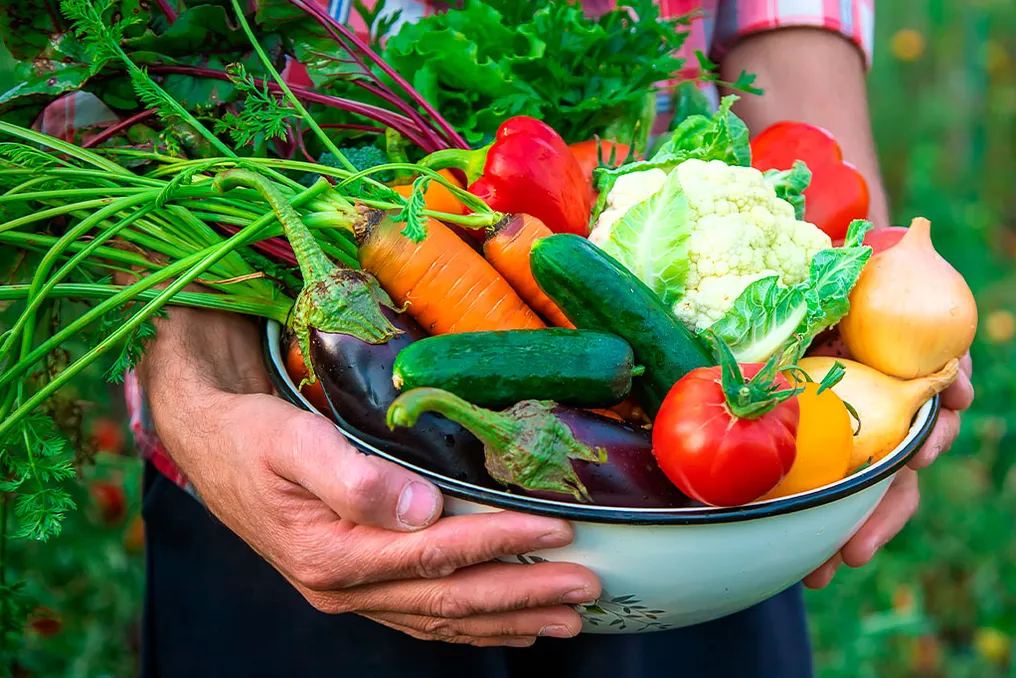
A new health guideline has gained prominence in the last two years, succeeding the recommendation to walk 10,000 steps daily and consume five portions of fruits and vegetables daily. Currently, the guidance suggests including 30 types of plant-based foods in the weekly diet.

This trend is based on a 2018 study which demonstrated that individuals who reported consuming at least 30 categories of vegetables per week had a more diverse gut microbiota compared to those who consumed fewer than ten types. Subsequent research reinforced that adopting a diet rich in vegetable variety can optimize the composition of the gut microbiota, bringing known benefits such as the reduction of inflammatory processes and increased longevity and quality of life.

Initially, the idea of consuming 30 types of vegetables per week seemed daunting and almost unattainable, raising concerns about the need to prepare complex salads at every meal and managing the large amount of fiber. However, after one week of practice, the author reported that it was surprisingly simple, exceeding the goal and consuming 51 types of plant-based foods.

More vegetables, greater microorganism diversity

There is no strict obligation to reach exactly 30 types of vegetables. Rob Knight, director of the Microbiome Innovation Center at the University of California in San Diego, USA, led the research that popularized this suggestion. According to Knight, the number 30 does not have a specific justification, given that few participants in the study exceeded this mark. The researcher emphasizes that people who consume 20 or 25 varieties can also reap similar health benefits, with the greatest gains noted in those with a less varied diet; if the variety is already reasonable, additional increase will not bring such expressive benefits.

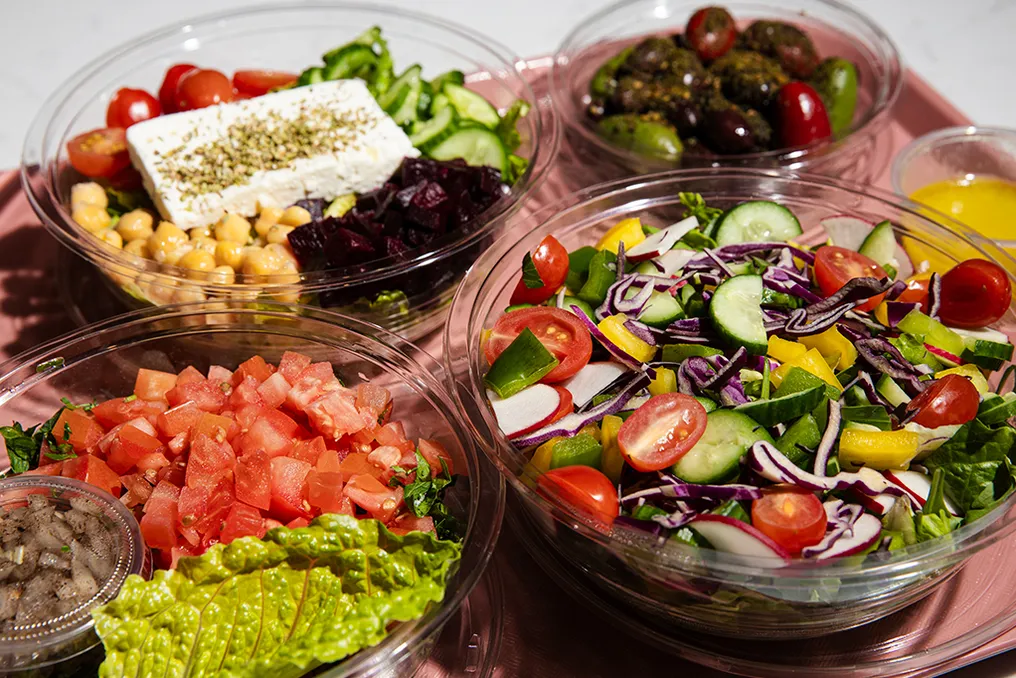
The recommendation of 30 types of vegetables has become a kind of challenge, where each distinct food item scores one point. Items are categorized into six groups: fruits, vegetables and legumes, whole grains, pulses (such as beans, lentils, and chickpeas), nuts and seeds, and herbs and spices. Tea, coffee, and chocolate are also counted, as they all contain beneficial substances, such as antioxidants.

Federica Amati, a nutrition researcher at Imperial College London, UK, was surprised to note that spices are part of this list. She points out that studies indicate that adding a combination of seasonings to meals can generate measurable changes in the gut microbiota in just 48 hours. Some sources suggest assigning a quarter point to each tea, coffee, or herb consumed. Amati explains that small dietary modifications can quickly alter what she calls the intestinal 'microorganism ecosystem,' but for the effects to be lasting, maintaining variety over time is crucial. Furthermore, Amati highlights that this advice encourages the consumption of foods beyond the usual ones, such as apples, cucumbers, and bell peppers. Scientific studies indicate that low consumption of whole grains, nuts, and seeds is among the main risk factors for premature mortality.

Although consuming so many different foods can represent a high cost, especially for those who purchase many fresh products, the author managed to combine fresh ingredients with pantry items and frozen products during their experience.

My week with over 30 vegetables

During the experimental period, breakfast maintained the routine of overnight soaked oats, supplemented with chia seeds and yogurt, but there was variation in the added fruits. Due to lack of time for lunch, sandwiches or leftovers from the previous night's dinner were chosen, which helped prevent waste. Dinner, on the other hand, required more planning, focusing on not repeating ingredients and prioritizing recipes that incorporated a good diversity of vegetables, while maintaining a familiar culinary style.

On Monday, dinner consisted of a chickpea tagine, a quick and flavorful recipe from BBC Good Food, enriched with peas to increase fiber. The vegetables consumed that day included oats, blueberries, chia seeds, cabbage, peas, chickpeas, couscous, tomato, onion, and raisins, in addition to various spices counted as a single item.

On Tuesday, Selena Wu, a nutritionist at King's College London, UK, advises including fiber through nuts or seeds in breakfast cereals, or by serving a sandwich accompanied by a salad, as was done for lunch. Dinner was a quinoa salad with green lentils, asparagus, and grilled salmon. The vegetables consumed that day were raspberry, tangerine, apple, quinoa, broccoli, spinach, asparagus, lemon, garlic, and chives.

Wednesday brought a curry, a frequent recipe, but a new version was tried, adding sweet potato and red bell pepper, served with green beans. The family enjoyed it, and the dish used a considerable variety of spices. The items consumed included coffee, banana, cashew, coconut milk, sweet potato, green beans, and brown rice, in addition to red bell pepper.

On Thursday, being close to the 30 vegetable goal, the focus remained on maximizing ingredient variation within the established plan. A simple and quick soup was prepared with onion, garlic, carrot, lentils, and sweet potato, accompanied by sourdough bread and salad. A healthy smoothie made of frozen banana, cocoa powder, and cashews was also made. The registered vegetables were tea, cocoa powder, cashews, pumpkin seeds, red lentils, and arugula.

On Friday, it became more challenging to find new foods, since each item could only be counted once. Despite this, fruits, vegetables, and legumes continued to be included, even with repetition. Tracking herbs and spices was also complicated. The day was dedicated to tacos, whose filling was made with black beans and ground meat, using ripe avocados for a good guacamole and tomato sauce. The vegetables consumed were whole wheat tortillas, cucumber, black beans, avocado, and fresh cilantro.

Saturday, due to the rush, stir-fried pasta with tempeh was chosen, a cooked and fermented soy product, although another protein could have been used. The children did not approve of the dish, and preparing the tempeh generated a slight bitterness, leading to a second, simpler pasta dish. The items consumed were dried mango, peanuts, tempeh, olive, Chinese mustard greens, baby corn, and sesame seeds.

Sunday, with decreasing willingness to try new recipes, the oven was decided upon for most of the preparation, making roasted chicken with vegetables on the same tray, accompanied by a salad. He managed to finish the week without needing to go to the supermarket, utilizing what was left in the fridge, such as eggplant, zucchini, and potatoes, in addition to thawed chicken thighs. The vegetables of the day were carrot, eggplant, zucchini, and potato.

Changes that are here to stay

At the end of the week, the total reached was approximately 51 types of vegetables. The most difficult aspect was organizing the menu and preparing distinct dishes after an exhausting day, but it is expected that this will become easier with the repetition of recipes. There was also a surplus of food, which ensured healthy lunches the next day, and snack consumption was reduced, avoiding restaurants and generating savings. Even the children, usually demanding, tried more new foods.

The most surprising thing was discovering that such intense preparation was not necessary; with usual meals, it would already be possible to get close to 30 points. It is notable how, when considering coffee, tea, chocolate, spices, and whole grains, the number of vegetable types quickly reaches 30, provided the dietary base is already healthy. However, the author intends to maintain the variation of weekly purchased ingredients and seek ways to integrate more vegetables into meals, keeping his stock of nuts and seeds for continuous use.
Research indicates that apple consumption can aid cardiometabolic and intestinal health
Read more
super.abril.com.br

Research indicates that apple consumption can aid cardiometabolic and intestinal health

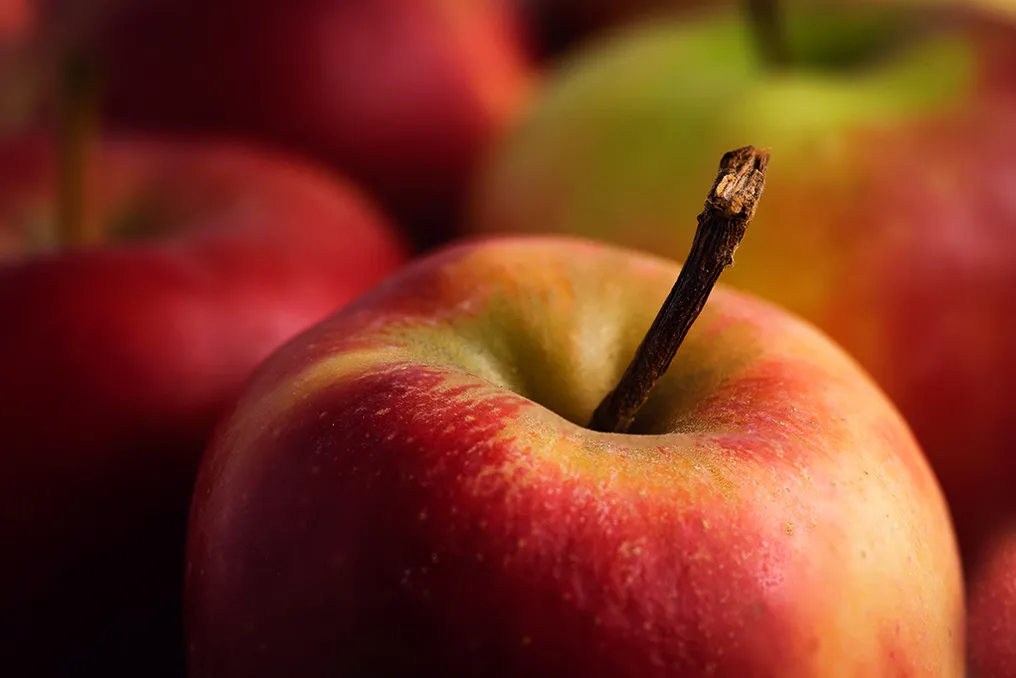
A comprehensive review analyzing 38 studies revealed evidence that consuming apples can be beneficial for cardiometabolic health. The observed effects include improvements in glycemic control, blood vessel function, and gut microbiota composition.

This study, published in the scientific journal Food & Function, compiled various clinical research and highlighted potential advantages related to the nutrients, fibers, and bioactive compounds present in the fruit. Researchers from Italy described the antioxidant and anti-inflammatory effects of apples, which positively impact the endothelium, the inner cellular layer of arteries, thereby promoting vascular function.

The analysis also pointed to changes in the constitution of the gut microbiota, reinforcing the role of apples in supporting cardiometabolic health. However, the authors warn that the food alone does not guarantee miraculous results, requiring a critical view of the findings.

Caution in interpreting the results

Isis Helena Avelino, a nutritionist at Einstein Israelite Hospital, emphasized that there is variation among the 38 analyzed studies, both in the populations involved and in the quantities consumed, which demands prudence before drawing definitive conclusions.

Apples possess a combination of nutrients and bioactive compounds already recognized by science for their cardiovascular benefits. Minerals present in the fruit include potassium and magnesium, as well as vitamins, notably those in the B complex and vitamin C.

Fibers, with special mention of pectin—a soluble type—play an important role. By forming a gel in the digestive tract, pectin slows gastric emptying and carbohydrate absorption, aiding in glycemic control and reducing the risk of diabetes. Furthermore, it has prebiotic function, nourishing the microbiota, since part of the fiber is not digested and reaches the large intestine, serving as food for beneficial microorganisms.

The review also emphasizes that regular apple consumption is correlated with an increase in certain bacteria, such as bifidobacteria. During the fermentation process, short-chain fatty acids (SCFAs) are generated, which are linked to maintaining intestinal barrier integrity, controlling inflammation, and modulating energy metabolism, as detailed by the Einstein nutritionist.

Polyphenols and apple varieties

Another highlight is the high concentration of polyphenols, substances known for their antioxidant and anti-inflammatory properties. Renata Carnauba, a researcher at the Faculty of Pharmaceutical Sciences of the University of São Paulo (USP), specified that the main polyphenols found are flavonoids, with quercetin, catechins, and proanthocyanidins being the most prominent in this class.

Red apples contain anthocyanins, which belong to the same family of pigments. Although polyphenols are distributed throughout the apple (pulp, peel, and seed), the highest concentration is found in the peel, which holds over 80% of all flavonoids. Therefore, the recommendation is to consume the fruit without peeling it, provided it has been properly sanitized.

The researcher also advises diversifying the varieties consumed daily, as the profile of bioactive compounds varies among apple types. To prolong the polyphenol content, she suggests keeping the fruits refrigerated.

The apple, originating from Central Asia, is widely consumed globally. In Brazil, its cultivation is mainly concentrated in the South region due to its preference for temperate climates. Some popular varieties include Fuji, known for its aromatic, firm, and crisp pulp with a reddish skin; Gala, which presents a balance between acids and sugars in its juicy pulp; and Granny Smith, a green apple type common in the Brazilian market, characterized by its white and acidic pulp.

Red varieties, nicknamed Argentine apple, are also mentioned, which have a red and shiny skin and can become mealy when overly ripe.

Popular