Journalist Radjdeep Sardesai shares his experience fighting prostate cancer at the Health Wealth Summit
Read more
Aaj Tak
www.aajtak.in

Journalist Radjdeep Sardesai shares his experience fighting prostate cancer at the Health Wealth Summit

No one knows what sudden turn life can take. When a journalist who dedicated his life to asking difficult questions of the country and the world learned from a doctor that he had cancer, the whole world momentarily stops.

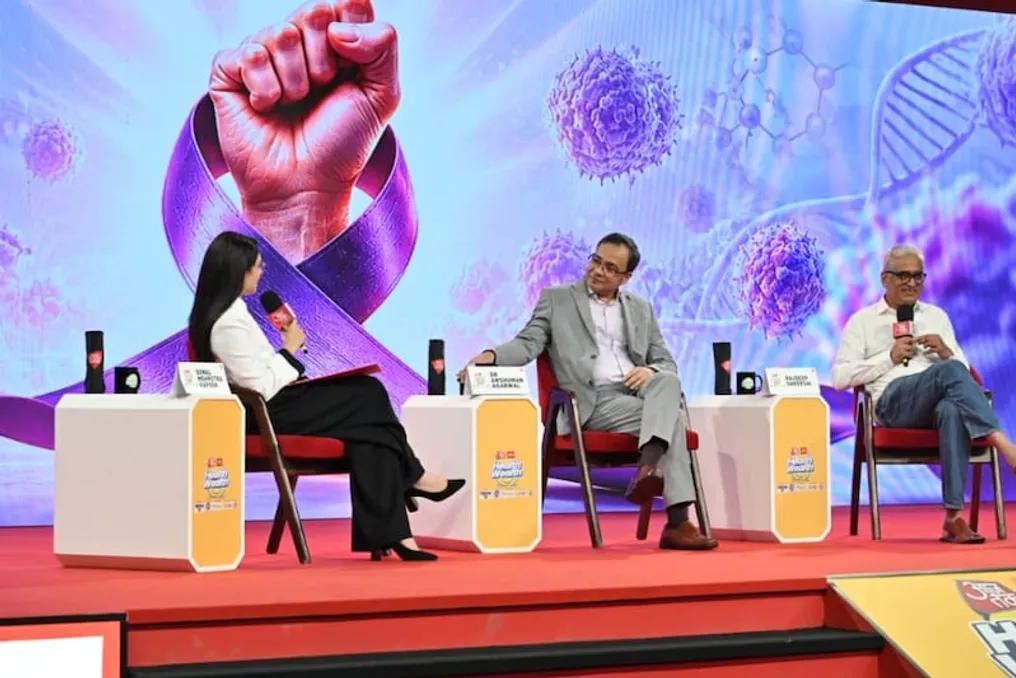
At a special and touching closing session of the Health Wealth Summit titled "#CANCERSURVIVOR — We Conquered Cancer," renowned journalist Radjdeep Sardesai and senior urologist Dr. Anshuman Agrawal of Apollo Hospital participated.

Radjdeep Sardesai publicly shared for the first time his journey of diagnosis, treatment, and recovery from prostate cancer. In this heart-wrenching conversation, important and significant points were voiced for the general public.

Sharing his experience, Radjdeep recounted that in June of last year, after receiving a biopsy, a doctor called him to inform him that the tumor was not benign but represented early-stage, yet highly malignant cancer. His initial reaction was quite unexpected. He was preparing to travel to England to watch the India versus England match at Lord's; his passport and visa were ready.

When he discussed this with his son, who is a doctor, his son reassured him, saying, "Dad, if you were destined to get cancer, then it is the best type of cancer that can be cured." These words gave him much strength. Radjdeep Sardesai noted that the era of Rajesh Kumar films, like in the movie 'Anand,' is in the past. He recalled that in the seventies, when he was growing up, watching the film 'Anand' created the impression that cancer meant immediate death or the end of life. However, the current era is characterized by digital technologies and medical progress.

As soon as he learned about the illness, he began studying concepts such as the 'Gleason score' and the PSA test, and the first question he asked the doctor was about how many weeks it would take him to return to his office and studio.

Dr. Anshuman Agrawal explained that prostate cancer is a common disease among men, which often remains asymptomatic in its early stages. The doctor emphasized that the PSA (Prostate Specific Antigen) blood test helps detect this threat in time. Dr. Agrawal advised men to undergo regular screenings after the age of 50, and if there were family history of the disease, starting at age 40–50. Radjdeep admitted that he went to the hospital for a scheduled hernia operation, and it was during the blood test and MRI that the cancer was accidentally discovered. He advocated for regular cancer screenings to be mandatory for every person under programs like Ayushman Bharat or insurance plans.

Recalling those five days in the hospital after the surgery, Radjdeep said that to cope with the pain and stress, he only watched comedy films and listened to Kishore Kumar's songs. He stated that life is a journey, and if your attitude is positive, you can overcome any serious illness. He particularly highlighted that while a doctor is a deity to you, your own 'mind over body' is the most powerful weapon for winning this fight.

Speaking about how his perception of life changed after overcoming this difficult period, Radjdeep uttered a very beautiful phrase: "Never take life for granted. Live every moment fully." He expressed special gratitude to his wife, children, friends, and his assistant Surinder Nagar, who supported him every step of the way. He stressed that bank balance or wealth does not matter; true strength lies in the boundless love and support of loved ones.
Similar stories

Expert 'The Angry Doc' Discusses Health Risks in the Age of AI and Social Media at Health Wealth Summit
Read more
www.aajtak.in

Expert 'The Angry Doc' Discusses Health Risks in the Age of AI and Social Media at Health Wealth Summit

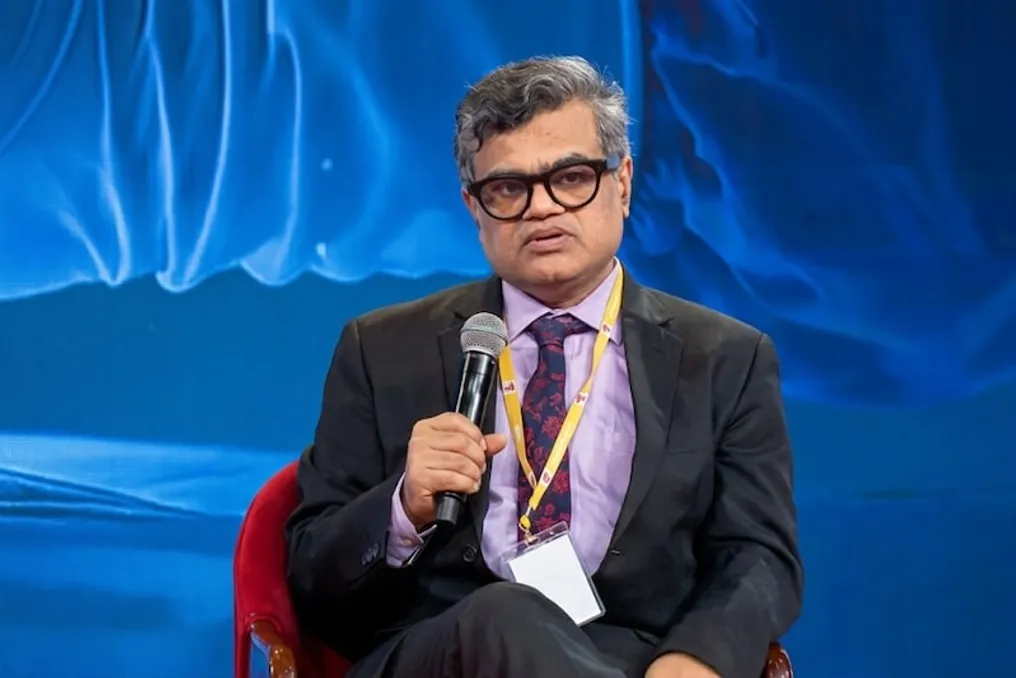
Dr. Anshuman Kaushal, known as 'The Angry Doc' on social media, a specialist in robotic gastroenterology, bariatric surgery, and obesity, spoke at the Health Wealth Summit. His criticism is directed not at patients, but at those who exploit people's fears for profit under the guise of treatment.

During the 'Doctor vs Internet Education' session on the first day of the summit, Dr. Kaushal openly discussed the problem of medical misinformation spread in the digital age and the dark side of social media. He shared personal experiences that led to him earning the nickname 'The Angry Doc'.

He recounted a case where a patient with progressive breast cancer, whom he had recommended getting checked three months prior, instead sought alternative treatment, leading to the deterioration of her condition. This incident deeply shook him. People who observed his reaction began calling him 'The Angry Doc'.

Memories from his internship at a state hospital also led him to conclude that he often advised patients to consume inexpensive and nutritious foods, such as chickpeas (chana), sattu, and eggs, instead of expensive products to ensure sufficient protein with minimal cost. He emphasized that his anger is directed at those who sell fear and build their business upon it.

'Primary consultations now happen on Instagram and Google'

Dr. Kaushal believes that doctors today cannot ignore social media because patients research all information online before visiting a specialist. Citing a study, he noted that about 72 percent of people use Google or Instagram to search for health information. If a person discovers a lump in their chest, they immediately start searching online, after which algorithms begin showing them relevant videos. If this information contains false claims and sows panic, it can steer the patient's medical decisions in the wrong direction.

He strongly stated that in the current climate, what is most needed is 'evidence-based information without a hidden agenda.' Doctors must provide proper education without being motivated by commercial interests or the desire to sell their own product.

Patient and doctor are a partnership, not a 'commander-follower'

Dr. Kaushal is categorically against prohibiting patients from reading about their illnesses on the internet; he welcomes access to information. In his opinion, the problem is not a lack of data, but a lack of reliability and responsible individuals. He urges patients to openly share what they have read and what fears they have. This improves the dialogue between the doctor and the patient, allowing treatment to be determined considering financial constraints or family status.

The modern Gen-Z generation demands complete transparency, evidence base, and accountability. The era has changed: it is no longer a time when a doctor simply gives orders and the patient silently obeys, but an era of 'partnership.'

Can ChatGPT or AI fix your health?

Discussing artificial intelligence (AI), he noted that it will inevitably become part of healthcare, but this depends on how it is used. AI can help systematize a patient's medical history, summarize reports, and clearly present information to the doctor, saving consultation time. However, it is absolutely wrong to ask AI what your diagnosis is or what medicine to take. For example, if you enter a common headache into an AI chatbot, it might output a list of many terrible and serious diseases, whereas the true cause might be very minor.

'The power of decision-making belongs exclusively to doctors.' Clinical context, responsibility, and trust can only be provided by a human (a doctor).

Doctors should not have a 'hidden agenda' on social media

Dr. Kaushal, who writes scripts for his own videos, explains that his grandmother was a theatrical artist and poet, so he inherited an understanding of the power of words and storytelling mastery. His videos combine emotion, satire, and medical information, but he never resorts to misleading statements just to attract attention. He is convinced that physical and mental health are inseparable. A patient comes to a doctor not only with an illness but also with the burden of responsibility for their family and anxiety, which the doctor must understand.

He appealed to society to develop scientific thinking instead of blindly trusting every viral health claim and to always verify the truthfulness of these assertions.

Charity run PINK UNITY RUN 2026 held in Tashkent to support women with oncological diseases
Read more
nuz.uz

Charity run PINK UNITY RUN 2026 held in Tashkent to support women with oncological diseases

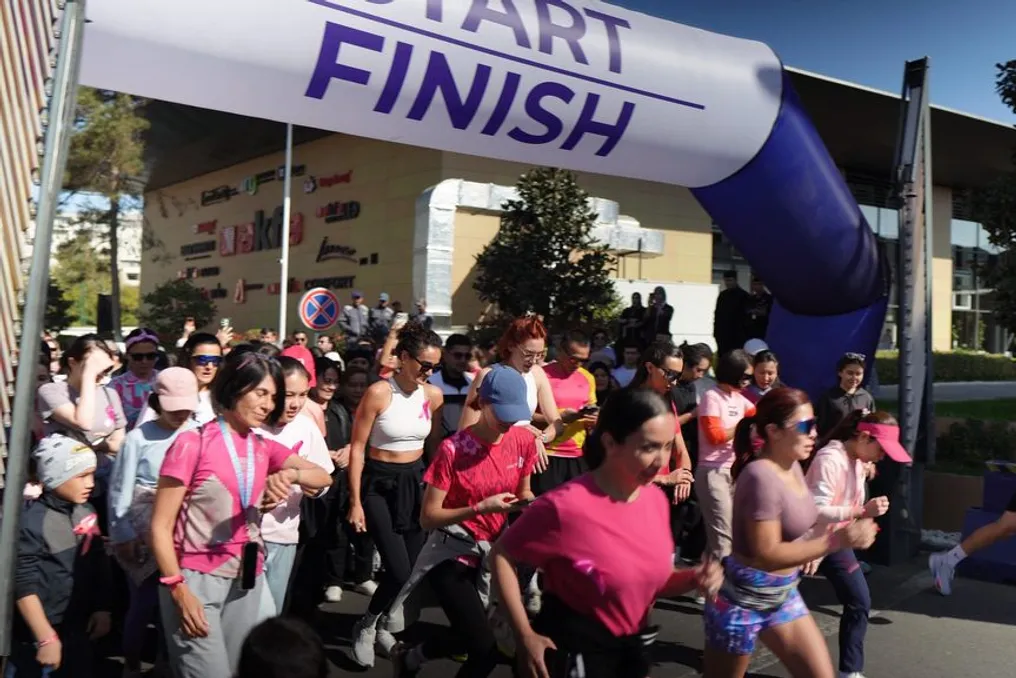
The event PINK UNITY RUN 2026 took place in the 'Ashgabad' city park as part of 'Pink October'—a month dedicated to breast cancer awareness. Diana Bakman initiated this run, having personally faced breast cancer, and emphasized the importance of timely medical care and support.

This charitable initiative, founded on Diana Bakman's personal experience, annually gathers people to discuss issues of women's health and mutual aid. The event was organized by Diana Bakman together with Deepanwell, with the support of the United Nations Population Fund (UNFPA) in Uzbekistan and the Khokimiyat of the Yashnabad district. Official support was provided by the Tashkent City Health Department and the Research Center for Public Health Analysis.

The run attracted about 450 participants, including women with oncological diseases, their relatives, medical workers, volunteers, and residents of Tashkent. They were united by the desire to support women fighting breast cancer and demonstrate solidarity.

Breast cancer remains a serious public health issue. According to international data, approximately 2.4 million new cases of this disease were registered worldwide in 2024, and about 694 thousand people died from it. Breast cancer is also among the most common oncological diseases among women in Uzbekistan.

October is dedicated every year to raising awareness about breast cancer. The international 'Pink October' campaign focuses on the need for early detection, timely consultation with doctors, and providing support to women with such a diagnosis.

In Uzbekistan, in accordance with Decree of the President of the Republic of Uzbekistan No. PP-402 dated November 22, 2024, the state Program for controlling cervical and breast cancer for the period 2025–2030 is being implemented. This program aims to improve screening, early diagnosis, modernization of medical services, and raise public awareness.

PINK UNITY RUN 2026 combined aspects of charity, physical activity, medical education, and social solidarity. Participants were offered distances of 3, 5, and 10 kilometers, which could be completed either by running or walking. Alternative ways to participate were provided for families with children and people undergoing treatment.

Medical specialists worked in the park, providing free consultations and examinations, including mammography, ultrasound diagnostics, as well as vision and heart condition checks. In the special Health Corner zone, participants received information on disease prevention, the importance of regular check-ups, and a healthy lifestyle. The program also included musical performances, dances, and prize giveaways from partners.

One of the key objectives of the run was to raise funds to finance surgical treatment for women in need of medical care.

This year, the initiative was supported by the United Nations Population Fund (UNFPA) in Uzbekistan. UNFPA has been working in the country for over thirty years, contributing to strengthening the healthcare system, expanding access to quality medical services, and supporting national efforts to protect reproductive health.

For the second consecutive year, UNFPA, together with local partners, participates in implementing Presidential Decree No. PP-402, organizing educational events concerning the prevention and early detection of breast and cervical cancer. Within PINK UNITY RUN 2026, UNFPA provided organizational and informational assistance, including support in attracting young volunteers and conducting educational campaigns.

PINK UNITY RUN 2026 became a symbol of unity, shared responsibility, and mutual support. For some participants, it was an opportunity to support a loved one, while for others, it was a way to express solidarity with those battling the disease or those who have already overcome it. Every step taken symbolized hope and support, reminding that behind every diagnosis is a person with plans and a family, and timely diagnosis and healthcare are of immense importance.

Ziroat Mirziyoyeva called on the global community to fight childhood cancer
Read more
podrobno.uz

Ziroat Mirziyoyeva called on the global community to fight childhood cancer

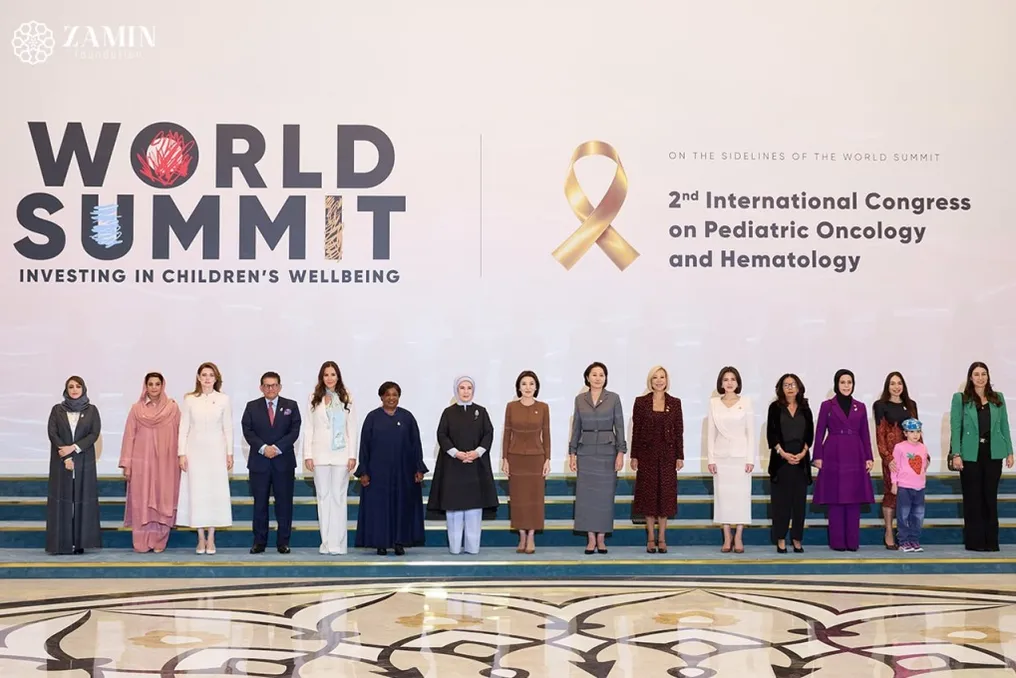
First Lady Ziroat Mirziyoyeva addressed the international community, governments, and scientific institutions with a call to consolidate their efforts to support children suffering from oncological diseases, as well as their families. This statement was made by her during the II International Congress on Childhood Oncology, which took place in Samarkand.

Mirziyoyeva emphasized that suffering and illness know no borders and are not dependent on nationality or financial status. She called on everyone to unite for the sake of ensuring a good future so that no child and no family would be left alone with their pain.

The Congress 'From Recovery to Well-being'

This congress is held as part of the World Summit titled 'Investing in Children's Well-being: A Path to Sustainable and Equitable Development for Future Generations.' The event gathered participants from various countries, including representatives of the health authorities of Uzbekistan, Azerbaijan, Kazakhstan, Kyrgyzstan, Tajikistan, and Russia. Employees of the World Health Organization, various international professional associations, foreign medical institutions, and the scientific community also took part.

A special place in the program was taken by the performance of students from Mehrli Maktab, who shared their personal stories, talking about the treatment process and their expectations for the future. The main theme of the international congress is focused on the problems of childhood oncology, as well as the analysis of treatment results and methods for improving the quality of life for children after they recover.

Popular