South African drivers reminded to renew 2.2 million license discs before holidays
Read more
IOL
iol.co.za

South African drivers reminded to renew 2.2 million license discs before holidays

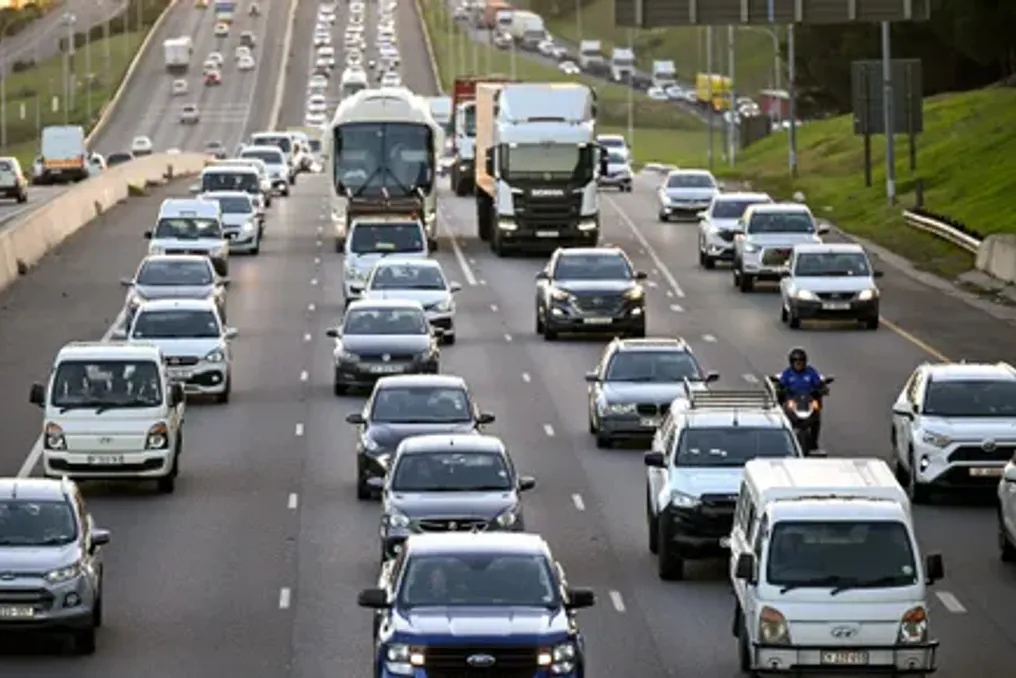
Drivers across South Africa are strongly urged to renew their vehicle license discs in time ahead of the holiday season, as over 2.2 million such discs expire in November and December.

The Road Traffic Management Corporation (RTMC) reported that the largest number of discs requiring renewal is in Gauteng, followed by the Western Cape and KwaZulu-Natal.

The corporation has called on drivers to renew their permits promptly to avoid delays and ensure the legality of their vehicles during busy holiday travel periods.

RTMC emphasized: 'Given the expected significant increase in traffic flow during the holiday season, drivers are advised to renew their license discs and driver's licenses before expiry to avoid unnecessary delays and ensure compliance with road traffic legislation.'

It was specified that 2,248,795 license discs expire within two months, with Gauteng accounting for the largest share—851,687 discs, followed by the Western Cape with 374,761 discs and KwaZulu-Natal with 327,014.

RTMC informs that drivers can use the NaTIS online platform to renew discs and have them delivered to home or work.

Furthermore, drivers are recommended to utilize the extended operating hours of RTMC's Driver Licensing Testing Centres (DLTC), which operate seven days a week, from Sunday to Monday, from 07:00 to 21:00. The corporation added that these extended hours provide drivers with additional opportunities to update their driver's licenses before the start of the busy holiday period.

The corporation also strongly advises drivers to ensure their vehicles are in good working order before traveling, paying special attention to tires, brakes, headlights, and wipers. Drivers are recommended to get adequate rest before long journeys, take regular breaks, and avoid driving while fatigued.

Similar stories

2026 Licensing Becomes Mandatory for All Vehicles in Minas Gerais Starting November 1st
Read more
g1.globo.com

2026 Licensing Becomes Mandatory for All Vehicles in Minas Gerais Starting November 1st

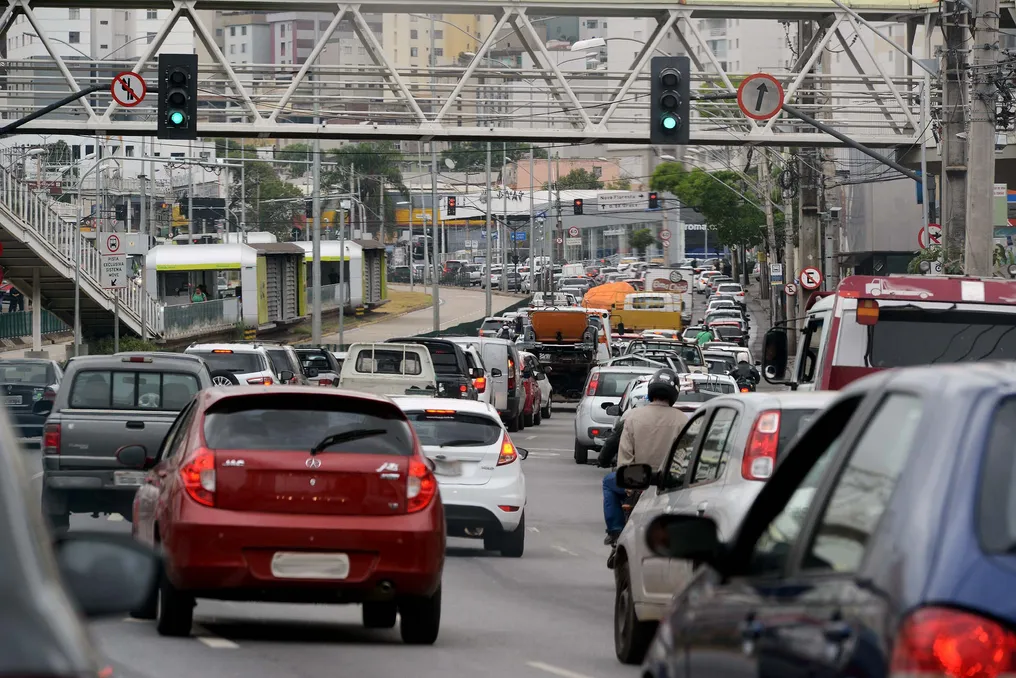
The Vehicle Registration and Licensing Certificate (CRLV) for the year 2026 will become mandatory for all automobiles registered in the state of Minas Gerais starting next Sunday, November 1st. On this date, the adjustment period ends for vehicles whose license plates end in 7, 8, 9, and 0.

For vehicles with plates ending in 1, 2, and 3, the requirement for this document has been in effect since September 1st. For those ending in 4, 5, and 6, the obligation began on October 1st.

How to check the vehicle's status

According to the State Department of Traffic of Minas Gerais (Detran-MG), the state has a total of 13,988,007 registered vehicles. Of this amount, approximately 71%, corresponding to 9,951,827 units, already have their 2026 documentation in order. However, there are still 4,036,180 vehicles that have not been licensed this year.

Analyzing the irregular vehicles, it is found that 2,150,861 had their last licensing between 2021 and 2025, while 1,885,319 have not been licensed since before 2020.

It is important to note that driving without updated licensing constitutes a very serious infraction, subject to a fine, seven points on the National Driver's License (CNH), and vehicle removal.

Before obtaining the document, the owner must confirm if there are any debts or pending issues that may prevent licensing. This verification is free and can be done online by following these steps: access the Detran-MG Service Portal, select the 'Vehicles' option, choose 'Check vehicle status,' log in using the gov.br account, and provide the requested data.

In this consultation, it is possible to check pending issues related to fines, citations, financial restrictions, administrative impediments, recall calls, Motor Vehicle Property Tax (IPVA), and the Annual Vehicle Licensing Renewal Fee (TRLAV).

Detran-MG clarifies that the CRLV will only be issued after all due debts are settled, these payments are visible in the system, and any existing impediments are regularized.

How to issue the digital CRLV

After proper regularization, the digital CRLV (CRLV-e) can be obtained free of charge through the Detran-MG website, the MG App, or the CNH do Brasil app. This electronic document has the same validity as the printed version and can be presented directly from the mobile phone. Furthermore, it can be consulted even without an internet connection, provided it has been previously saved on the device.

Detran-MG also advises drivers to use exclusively official channels and applications to prevent fraud, recommending that they confirm the beneficiary's data before making any payment.

Report shows growing demand for electric mopeds: one in two buyers considering electric two-wheeled transport
Read more
www.aajtak.in

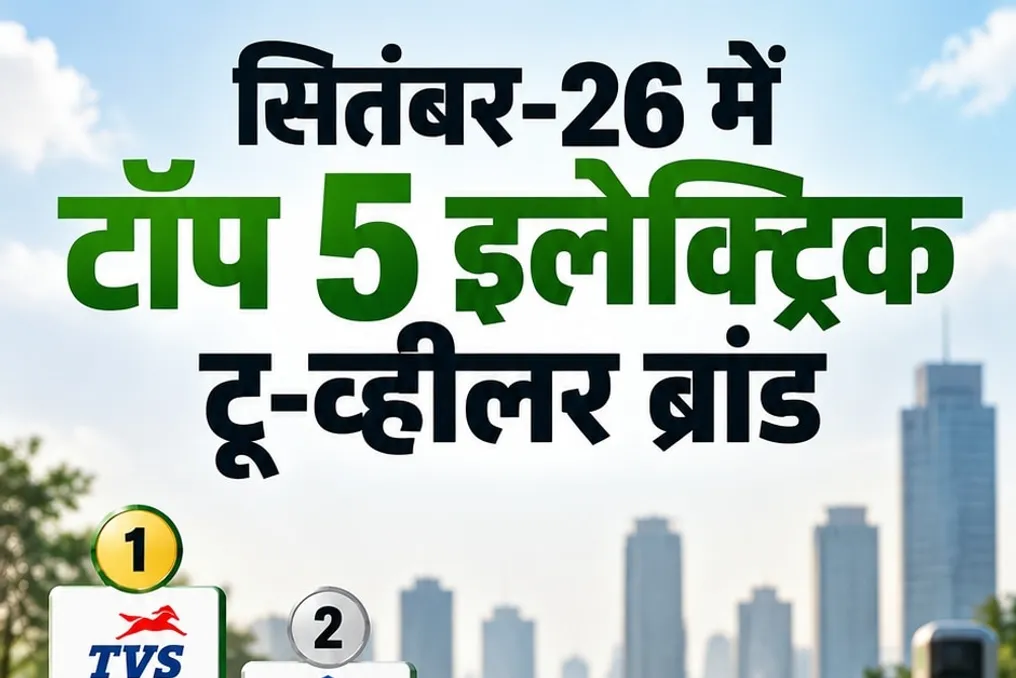
Report shows growing demand for electric mopeds: one in two buyers considering electric two-wheeled transport

Although the habit of using gasoline remains strong, interest in electric models is gaining momentum, transforming the country's two-wheeled transport market. Electric scooter models, which previously caused doubt, are now becoming objects of desire. According to the latest BCG report, in 2024, 3 out of 10 consumers considered purchasing electric two-wheeled transport, and by 2026, this figure increased to more than 4 out of 10.

A recent report by Boston Consulting Group (BCG) clearly indicates that electric mopeds are no longer just an option but are challenging the dominance of gasoline engines. According to the BCG report, the share of buyers of electric two-wheeled vehicles was 30% in 2024, while by 2026, it grew to 43%. This demonstrates a significant shift in consumer mindset regarding electric two-wheeled vehicles over two years. Currently, about one in two two-wheeled vehicle buyers in India is considering the electric option.

The BCG report titled 'Electric In Charge' also shows a decrease in the number of customers who categorically refuse to buy electric two-wheeled vehicles. In 2024, 38% of customers were unwilling to purchase electric two-wheeled transport, but by 2026, this percentage dropped to 29%, indicating a reduction in people's hesitation towards electric vehicles. Customers are now not just requesting information about electric machines but are considering them as their next mode of transport.

The change in consumer views is also reflected in sales data. From April to August 2026, the share of electric models among all two-wheeled vehicles sold in India was 9.9%, compared to 5.5% in the 2024 fiscal year. The position of electric vehicles in the scooter segment has improved even further: in the 2024 fiscal year, the share of electric scooters in total scooter sales was 16.8%, and by the 2027 fiscal year, it grew to 24.1%.

According to BCG, between the fiscal years 2022 and 2026, the overall two-wheeled transport market in India grew at an average annual rate of 12%, while the average annual growth rate of the scooter market was around 19%. Notably, electric scooter sales grew more than three times faster than gasoline scooter sales, indicating the strengthening position of electric scooters in the market.

The market for electric two-wheeled vehicles is moving beyond early EV adopters. The report states that by August 2026, approximately 1.8 lakh new customers were purchasing electric mopeds monthly. This figure suggests that the demand for electric transport is rapidly reaching a wide range of consumers. If the circle of electric scooter buyers was once limited, daily users are now also considering them as the best option.

Significant changes have occurred in consumer perception of electric two-wheeled vehicles. Previously, many considered electric scooters weaker than gasoline scooters in terms of design, speed, and performance. However, this opinion is changing. The BCG report shows that the share of customers who consider the design of electric mopeds better for short-distance daily commuting has increased from 30% in 2024 to 59% in 2026.

Similarly, the number of customers rating the dynamics of electric two-wheeled vehicles as good has increased. In 2024, only 27% of customers considered the dynamics of mopeds to be good, whereas in 2026, this figure reached 48%. Trust in speed, dynamics, design, and brand has attracted customers to electric transport who previously doubted its purchase.

Despite the growing trust in mopeds, some concerns remain among consumers. Customers are still uncertain about battery range, safety, maintenance convenience, performance, and the long-term cost of owning the vehicle. Many also want to know if electric two-wheeled vehicles will be as reliable in the long run as gasoline ones.

BCG divided customers into three groups: those interested in buying electric vehicles; those who are undecided about purchasing; and those who dislike electric vehicles. According to the report, the group of interested customers has grown 1.5 times in the last two years, while the share of customers who do not prefer electric transport remains around 20% in the market. The report also found that the actual experience of using electric mopeds by customers in many aspects meets or exceeds their expectations, including vehicle operating costs, maintenance expenses, luggage carrying convenience, and comfort in traffic jams.

Study projects electric motorcycles could surpass combustion engines in ten years in Brazil
Read more
autopapo.com.br

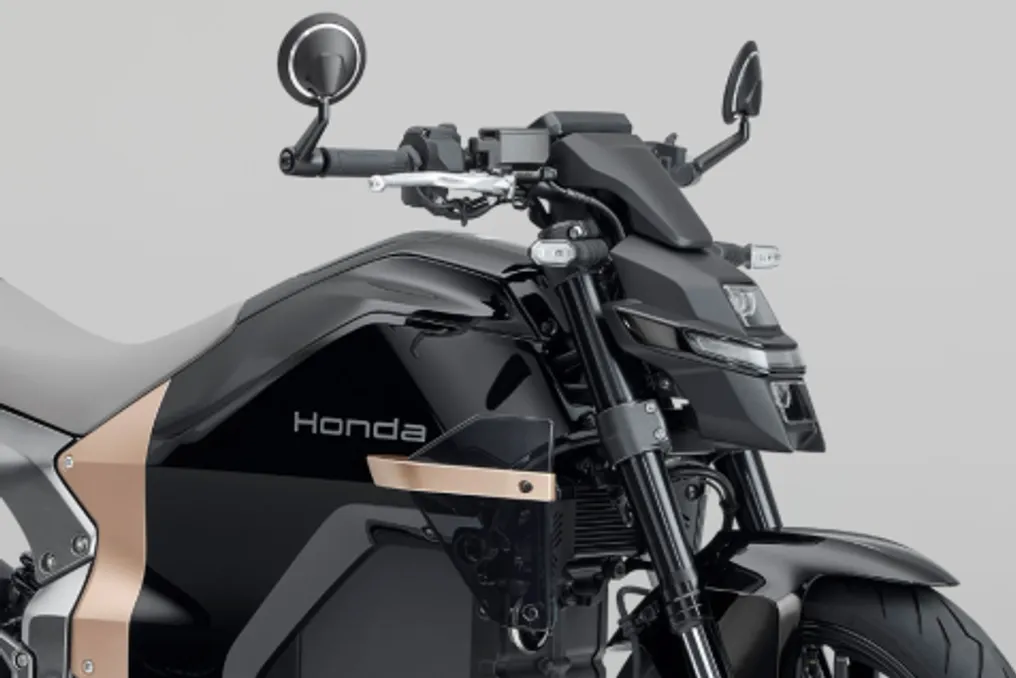
Study projects electric motorcycles could surpass combustion engines in ten years in Brazil

Electric motorcycles accounted for 1.28% of two-wheeled vehicle sales in Brazil during the first half of 2026. Although this is a modest share, it represents a significant increase compared to the 0.39% recorded in 2024, forcing the industry to make decisions about its production over the next decade.

A study prepared by Luiz Vicente F. de Mello, a motorcycle specialist at Bright Consulting, predicts that the point at which electric bikes will overtake combustion engine motorcycles could occur sooner than currently suggested, reaching around five years in the most accelerated scenario.

Projection Scenarios

This is the most optimistic scenario among the three analyzed. In the baseline scenario, electric motorcycles are expected to become the majority between 2035 and 2037. In the conservative trajectory, the share of electric motorcycles will remain below 50% until 2040.

The projection was calculated using real market data, is periodically updated, and compared with more established markets, such as China and India.

Key Factors for Electrification

For these forecasts to materialize, the study identifies two crucial elements for the mass electrification of motorcycles in Brazil: battery range and available infrastructure.

According to Bright, electrification does not solely depend on advances in cell chemistry; a rapid battery swapping network can commercially compensate for range limitations, especially in high-intensity operations.

Instead of waiting for a battery that simultaneously offers greater range, lower weight, lower cost, and fast charging, a swapping system eliminates recharge time from the operational calculation.

The company Vammo, which provides electric motorcycle rentals for delivery drivers, has been using battery swap points since 2023, but its network is still limited to Greater São Paulo.

Change Starts with Self-Propelled Vehicles

In Mello's personal analysis, the transition does not begin with motorcycles. He observes that self-propelled vehicles are already starting this change, indicating that the transformation is already underway, observable in the indicators of stores in this segment. He states that the change starts at the base.

Mello points to 2026 as a dividing line. Until 2025, the market experienced a wave of mopeds. Starting January 1st of this year, with Contran Resolution 996/2023 in effect, mopeds began requiring registration in Renavam, licensing, annual licensing, and a driver's license.

He explains that because the moped now requires mandatory licensing and driving authorization, ACC noticed a decrease in this segment, which spurred the opening of many self-propelled vehicle stores.

Mello clarifies that the focus of these stores is not exclusively on scooters, but rather on small motorcycles, characterizing what he calls micromobility.

Urban Challenges and Specific Niches

Despite the start of the battery movement, Mello highlights urban infrastructure as the biggest obstacle. For him, smaller models aimed at micromobility have specific legislation but require special attention for circulation, with exclusive lanes considered ideal and a vital point for safety.

The problem is that most large Brazilian cities do not support such a change, and the specialist considers an urban restructuring of this magnitude utopian.

In contrast to professional use, there is the premium, sports, and leisure segment. In this niche, characteristics such as engine sound, vibration, torque delivery, and gear shifting are integral parts of the product, and Mello considers it unlikely that this sector will migrate to electric motorcycles at the same speed, keeping the combustion engine relevant for a considerably longer period.
Popular