Analysis of South African Provinces for Optimal Business Location Selection
Read more
IOL
iol.co.za

Analysis of South African Provinces for Optimal Business Location Selection

Conducting commercial activities in South Africa involves several complexities, as conditions vary significantly across different provinces. Factors such as economic weight, density of formal companies, rental costs, wage levels, efficiency of municipal services, crime rates, and political stability all differ. This analysis examines available data and ranks the nine provinces from relatively favorable to more challenging for business.

The study relies on official data from Statistics South Africa, independent reports from Trade and Industrial Policy Strategies (TIPS), rental indices, and other sources. It is important to note that this is not an official ranking, but rather an analysis of patterns identified in statistical data.

Strengths of the Western Cape

The Western Cape demonstrates the most stable set of positive indicators. The unemployment rate here remains the lowest in the country, recently fluctuating between 18–20%, and the employment rate is the highest. TIPS studies show that the growth in formal small businesses in this province has been more resilient compared to most other regions in recent years. Median income is also among the best nationally.

Cape Town publicly aims to accelerate the process of obtaining business licenses and reduce administrative delays. Many entrepreneurs note a relatively better response from the municipality compared to other major cities. However, there is a trade-off in terms of cost: residential rent is the highest in South Africa, according to PayProp data, which often records averages above 12,000 rand in recent periods. Commercial space in prestigious areas is expensive. Crime remains a serious issue in some parts of the city, although the overall governance environment at the provincial level is considered more predictable than in several other regions.

Gauteng Maintains Leadership in Scale

Gauteng continues to serve as the country's economic hub. It accounts for approximately one-third of the national GDP and has the largest share of formal enterprises and public company headquarters—around 70%, according to TIPS data. It boasts the highest median wages in South Africa, and the market size is unparalleled. Nevertheless, significant operational difficulties exist. Infrastructure strain, especially in Johannesburg, continues to affect daily operations. Businesses regularly cite crime and extortion as serious risks. Coalition politics in the megacities sometimes slow down consistent decision-making. Rent is high, though it does not always exceed the upper limit of prices in Cape Town. Nonetheless, Gauteng remains indispensable for companies requiring scale and extensive networks. For those prioritizing reliable daily operations, the data indicates more friction than in the Western Cape.

KwaZulu-Natal's Stable Port Power

KwaZulu-Natal benefits from the port of Durban, a solid manufacturing base, and logistical advantages. Along with Gauteng and the Western Cape, this province is part of a three-province core that contributes 63% of the national GDP, according to Stats SA and TIPS. The density of formal business here is noticeable, although lower than in the two leading provinces. The unemployment rate is higher, and median wages lag behind. Risks increase due to crime and periodic political tension. Industrial and commercial rental rates in logistics hubs can be high. The province possesses clear industrial strengths, but the overall operating environment remains more demanding than in the Western Cape or Gauteng.

Limpopo's Quiet Growth Story

Limpopo demonstrated the highest GDP growth among provinces in 2024, at 0.9%, according to Stats SA provincial GDP data. Mining and related services remain key. The per capita crime rate is among the lowest in the country, and overall operating costs are more moderate than in large metropolises. Although the formal business base is less developed, and unemployment remains high, opportunities are concentrated in more specialized areas related to resources and auxiliary services.

Mpumalanga: Energy and Uncertainty

Mpumalanga's economy is based on mining, energy, and agriculture. Growth has been modest, and the unemployment rate is elevated. Wages are in the mid-to-low range nationally. Outside the main centers, rent is relatively affordable. The ongoing energy transition creates both risks and potential opportunities for businesses prepared to adapt.

The Weak Reality of the Northern Cape

The Northern Cape has the smallest economy, which primarily depends on mining. Low population density reduces competition in some sectors but simultaneously limits the local market and availability of skilled labor. The cost of living may turn out to be higher than expected relative to local incomes. Scale remains the main limitation.

North West as a Mining Hub

The Platinum Belt supports higher average earnings in certain areas, but the overall unemployment rate is high, and growth is weak. Outside mining settlements, the formal economy is small. Service provision and crime continue to pose challenges for businesses.

Free State and the Low-Cost Landscape

Characterized by a high unemployment rate, often exceeding 30%, low growth, and lower median wages. Residential rent here is one of the cheapest in the country, which helps from a cost perspective. Agriculture and public employment dominate. Diversified private activity is limited.

Eastern Cape Faces the Biggest Challenges

The Eastern Cape bears the heaviest structural burdens. The unemployment rate has regularly exceeded 40%, the economy contracted according to the latest full annual provincial GDP data, and median wages are among the lowest. The automotive sector and the Coega industrial zone are important pillars, but the broader formal economy remains weak. Serious violent crime rates are high in parts of the province, and municipal capacities are stretched in many areas.

Conclusions from Key Factors

Concentration of Formal Business:

Analysis of TIPS labor data from Stats SA shows that Gauteng, the Western Cape, and KwaZulu-Natal together account for about 74% of formal small businesses, significantly exceeding their share of the working-age population.

Rental Costs:

Rental indices consistently place the Western Cape as the most expensive province for residential rent, followed by Gauteng and KwaZulu-Natal. The Free State, North West, and Eastern Cape are significantly cheaper.

Median Wages:

Stats SA labor market data shows that Gauteng leads, followed by the Western Cape. Most other provinces are significantly below the national median level.

Municipal Governance:

Cape Town has publicly set a goal to reduce bureaucracy and speed up the issuance of business licenses. Many other municipalities continue to struggle with inconsistent processes and capacity constraints, which businesses often cite as sources of friction.

Balanced Conclusion:

This analytical review is based on verified official data and independent research. No single province offers ideal conditions. The available data points to clear patterns. Each company must consider these patterns in light of its sector, scale, and risk tolerance. National reforms in energy, logistics, crime fighting, and local government efficiency could improve conditions universally. Until then, provincial differences will determine where companies choose to invest, expand, or relocate.
Similar stories

South Africa Needs Complete Economic Transformation, Not Just Promises
Read more
iol.co.za

South Africa Needs Complete Economic Transformation, Not Just Promises

Despite years of declarations from South Africa regarding economic transformation, many Black entrepreneurs continue to face difficulties in launching their businesses. Some possess good ideas and skills to create successful companies, but without funding, these concepts often remain only on paper.

This raises an important question: how can we expect Black-owned enterprises to compete with established companies if they do not have equal access to money, markets, and business opportunities? Transformation must mean more than just changing ownership statistics; it must provide people with a real chance to participate in the economy and create what can support their families and generate jobs.

The Banking Sector Must Contribute

For many small business owners, approaching a bank for financial assistance can be demotivating. Obtaining a loan is often difficult due to a lack of sufficient collateral, a long credit history, or existing assets. Banks are responsible for safeguarding funds, but the system must also provide opportunities for potentially promising enterprises. Not every entrepreneur starts with property, savings, or family financial support.

Business valuation should be based on more than what the owner already possesses. Important aspects also include cash flow, market demand, and the ability to repay financing. South Africa needs a serious discussion on how banks can make business financing more accessible, especially for entrepreneurs in townships and rural areas. Without better access to finance, many businesses will remain small, regardless of how hard their owners work.

There is a question about the need to create a stronger fund for Black-owned enterprises. A specialized fund for companies owned by Black people could help solve some of these problems. Such a fund should support businesses at all stages—from startup to expansion—providing funding that meets their real needs. A young entrepreneur might need funds to purchase equipment, while an existing company might require working capital to fulfill a large contract. These types of businesses need different support, and financing programs must account for this difference.

The government must collaborate with development institutions and private partners to ensure affordable financing. Support should also include mentorship, financial management, and market entry assistance. However, the management of this fund must be impeccable. Entrepreneurs should not depend on political connections to receive aid. The process must be governed by clear requirements, independent oversight, and transparent reporting. The goal should be to create companies capable of surviving, hiring people, and competing without constant reliance on state support.

Ownership Alone Is Not Enough

A company may be owned by a Black owner but still struggle to grow. Winning a contract is insignificant if the business cannot afford materials, pay workers, or wait months for invoice payment. Therefore, large companies and government agencies must look beyond simply awarding contracts. They must facilitate conditions under which small suppliers can become reliable long-term partners.

There is also a need to open up more opportunities in sectors such as manufacturing, agriculture, technology, and energy. Black entrepreneurs should not be limited to a narrow range of industries when they have the potential to participate in the entire economy. This is where transformation must become evident: through built factories, expanded farms, developed technologies, and created jobs.

Time for Practical Action Has Come

The government cannot achieve economic transformation on its own. Banks must revise their approach to serving new enterprises, while established companies must be ready to make room for new suppliers and competitors. Entrepreneurs also bear responsibility for professionally running their businesses and using funds wisely. However, expecting success from them without access to the resources necessary to compete is unrealistic.

South Africa does not lack ambitious people. What entrepreneurs often lack is financial support and market access to turn those ambitions into sustainable businesses. Full economic transformation should be measured by the changes happening in people's lives, not just by what is written in political documents. If Black-owned businesses are to become a stronger part of the economy, access to finance and significant commercial opportunities must be treated as priorities. The question is no longer whether transformation is needed. It is whether we are ready to take the practical steps required to implement it.

Ten Ways to Experience South African Culture Beyond the Beach Holiday
Read more
iol.co.za

Ten Ways to Experience South African Culture Beyond the Beach Holiday

As summer arrives, South Africans begin planning their holiday adventures. While beach days and barbecues remain beloved pastimes, there are numerous other places to discover across the country.

South Africa offers a rich cultural experience that invigorates its creativity and culture, encompassing modern art, ancient kingdoms, local cuisine, fashion, and live music. These ten destinations suit both an extended trip across the country or a day trip closer to home.

The Zeitz MOCAA Museum of Contemporary African Art is located on the V&A Waterfront in Cape Town. Housed in a repurposed historic grain silo, it showcases contemporary art from Africa and its diaspora. Visitors can explore works addressing themes of identity, memory, migration, and belonging. The building itself is part of the experience, as its transformation from an industrial structure into a cultural hub demonstrates how historical spaces can acquire new functions.

For a summer experience blending history and nature, iSimangaliso Wetland Park offers an immersion into South Africa's past. The iSimangaliso interpretation center and heritage tours introduce guests to the history of the early South African kingdom and its trade links. Tourists can learn about the famous Golden Rhino and explore the landscape closely associated with the Mapungubwe people. This experience merges archaeology, heritage, and natural environment.

The 'Cradle of Humankind' provides a fascinating look at human evolutionary history. In Maropeng, interactive exhibits explore planetary development, human origins, and discoveries that have shaped our understanding of the past. This experience combines science and storytelling, offering an appealing option for families, curious travelers, and international visitors. Additionally, visitors can consider combining the trip with a visit to the nearby Sterkfontein Caves, depending on current visitor schedules.

Victoria Yards gives insight into Johannesburg's creative community. The former industrial site has been transformed into a space for artists, designers, entrepreneurs, and small businesses. Guests can tour studios and gardens, discover locally made goods, and learn more about the people behind them. Tours led by creatives and business owners offer a glimpse into the work being done in the area. It is an opportunity to see how existing urban space can evolve into a hub of creativity and entrepreneurship.

Freedom Park offers a thoughtful encounter with many periods of South African history. Its memorial sites, museum, and symbolic landscapes explore themes of memory, spirituality, and events that have shaped the nation. Visitors can reflect on themes of reconciliation, nation-building, and shared identity. Rather than telling one story, this place unites diverse historical experiences in one location. It serves as a significant addition to a Pretoria itinerary for those interested in the country's past and ongoing journey.

Food is one of the most accessible ways to engage with the country's culture. Across South Africa, local ingredients and familiar dishes inspire modern interpretations of local cuisine. Sorghum, marula, amasi, pumpkin, and fermented flavors serve as starting points for exploring the nation's culinary heritage. Visitors can seek out restaurants, food markets, tasting sets, and chef-led events that connect food to its cultural roots. This allows for an exploration of local tastes while supporting the people shaping South Africa's gastronomic scene.

South African fashion presents another avenue to uncover the country's cultural influence. Designers draw inspiration from beadwork, textile traditions, regional identity, color, and patterns. These references are often reinterpreted for a contemporary audience. Visitors can explore design studios, exhibitions, concept stores, and curated markets to discover local talent. It is more than just shopping; each piece can offer insight into the ideas, techniques, and history behind the design.

Music provides a vibrant introduction to the country's cultural heritage. From Maskandi and Mbube to Amapiano, modern folk, and electronic music, South African artists continue to build upon established sounds while exploring new styles. Live venues, festivals, and artist performances offer a chance to personally feel this creativity. Here, heritage is not confined to a museum; it comes alive through rhythm, language, movement, and shared experience. When planning a trip, check local event listings to find performances during the festive season.

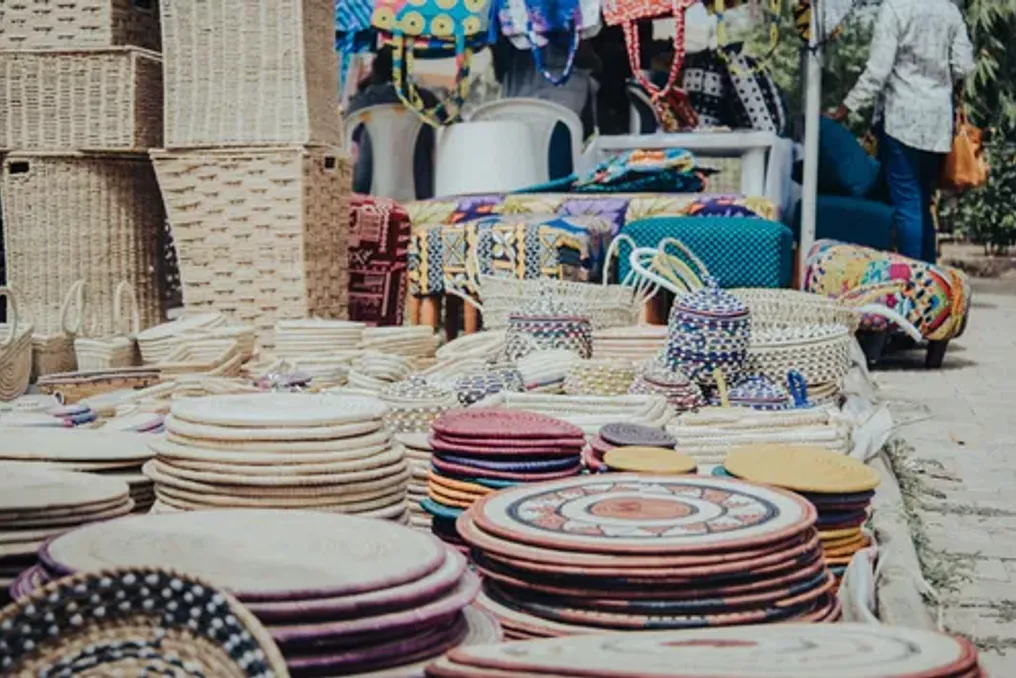
For travelers who value handcrafted items, South Africa's crafts and design scene offers many opportunities. Studios, galleries, and designer markets showcase ceramics, textiles, beadwork, and other forms of creative expression. Many artisans utilize traditional techniques, symbols, and stories while experimenting with modern design. Visiting a studio or participating in a workshop can provide a closer look at the creative process. Visitors may also have the chance to meet artisans and learn the stories behind their work. It is a chance to acquire something unique while supporting local creativity.

Some of the country's most compelling cultural experiences can be found within its neighborhoods. Guided tours, local eateries, galleries, markets, and music venues offer insight into the people and stories that shape a place. Among the urban areas worth exploring through local experiences are Soweto, Newtown, and the cultural districts of Durban. Community tours can help travelers understand how these areas have changed and what is important to the people living there. The key is engaging with the local culture, rather than just passing through.

Make this summer a time of discovery

South Africa offers numerous ways to make a summer vacation more memorable. One can visit a museum in a repurposed building, taste dishes inspired by local ingredients, meet local designers, or learn about the history of an ancient kingdom. These experiences offer a chance to connect with the country through its people, creativity, food, and landscapes. Whether traveling between provinces or planning a day trip nearby, there is more than just the beach in a South African summer.

Popular