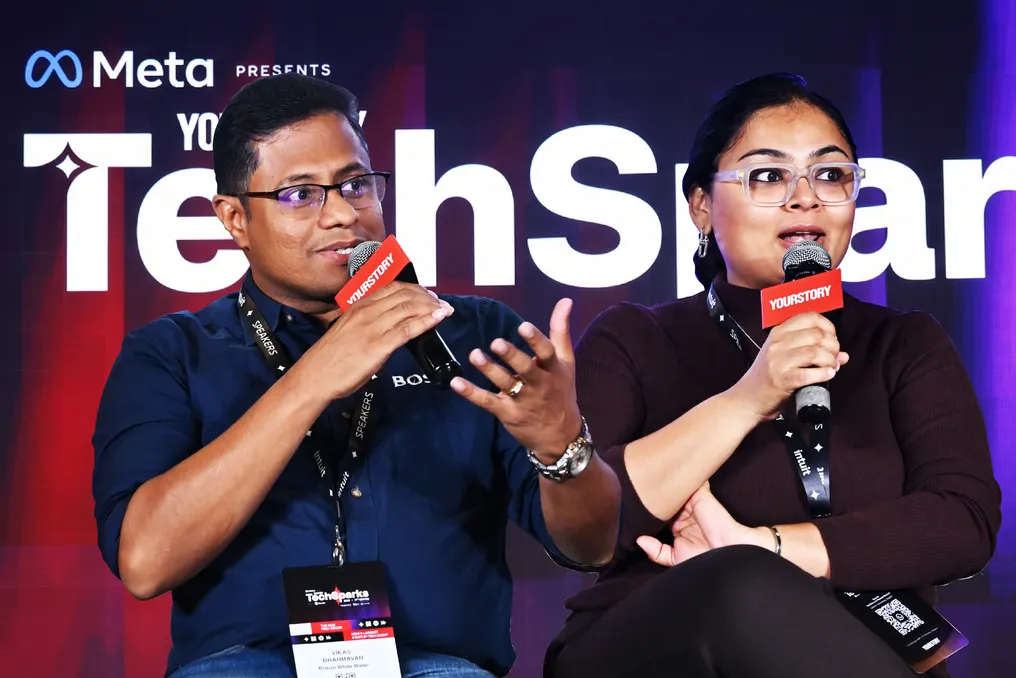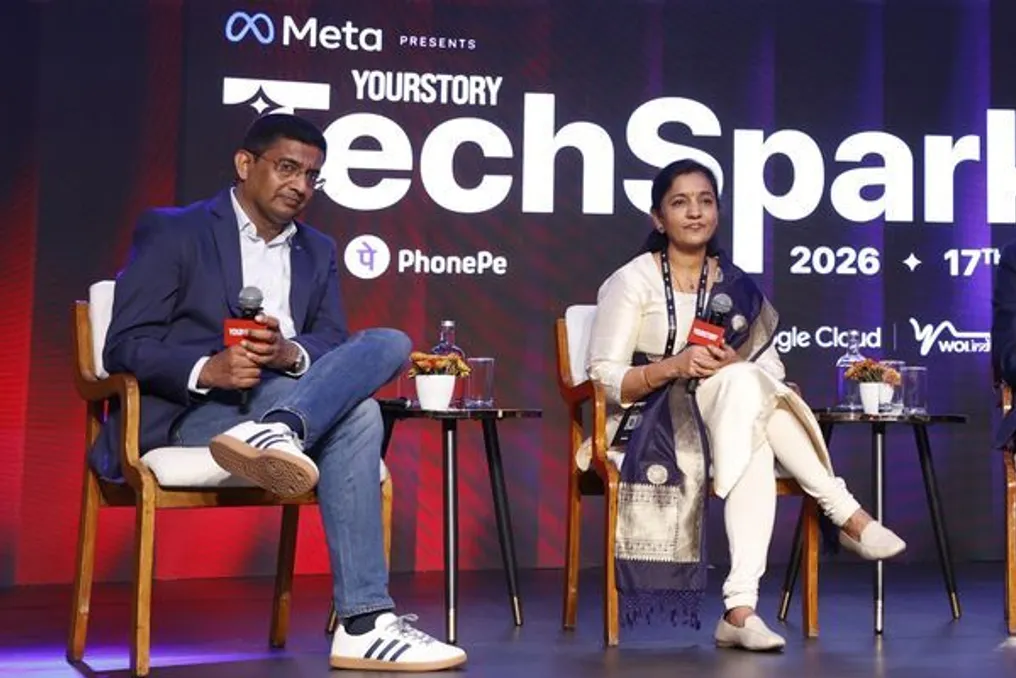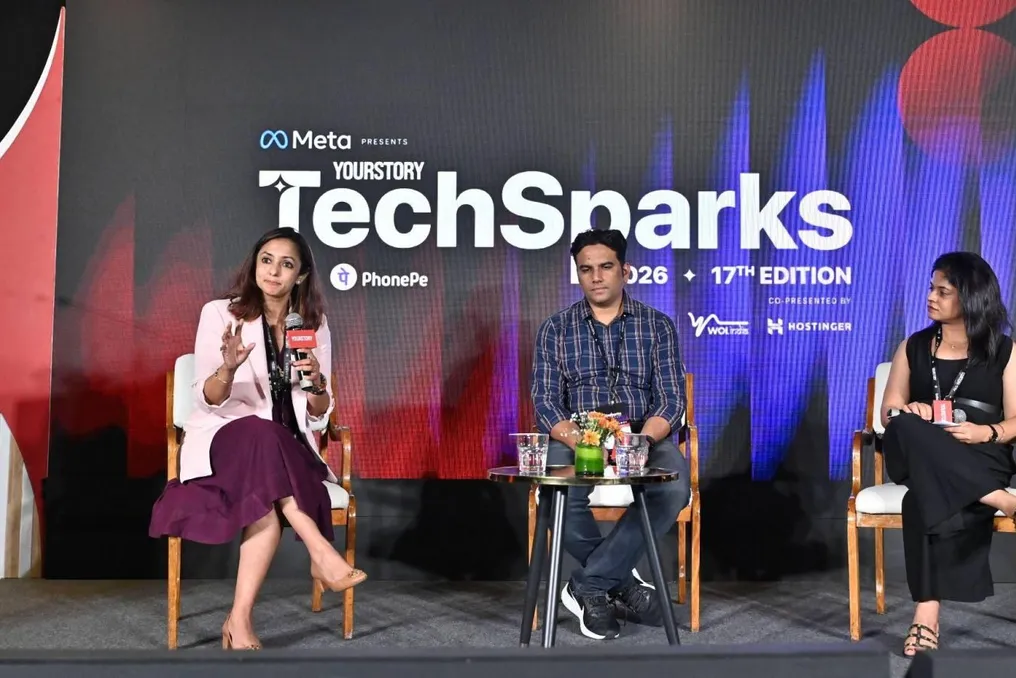
Participants at the 17th edition of the TechSparks conference by YourStory stated that India's app-centric economy still lacks a thriving market for digital goods, and solving this issue is a matter of both technology and sovereignty.
Priya Narasimhan, Director of Business Development at Indus Appstore, noted that despite the country's mobile-oriented habits, a large digital goods market has not formed. She attributed this to distribution monopolies controlled by Google and Apple, as well as the economic model of these companies' commissions, which range from 15% to 30%, making low-priced digital products unprofitable. Furthermore, web stores face issues with low reach and user friction.
Narasimhan argued that digital sovereignty is defined by how and where consumers interact with technology. She highlighted three areas India must control: discovery and distribution through app marketplaces, monetization and billing, and the system of trust and data consent. She cited the dispute between Epic Games and Google in the US as an illustration of the consequences of developers' dependence on intermediaries, emphasizing that the goal of sovereignty is to integrate into global technologies on India's terms, rather than rebuilding every basic layer.
Sagar Gaonkar, CTO of Eloelo Group, stated that India's strengths lie in its data, cultural diversity, and talent for creating platforms and creativity. He added that chips and large language models can be developed based on these resources, bringing value to India, which can then be exported. He also warned that security cannot be a secondary concern, as more and more tools are hosted outside the country.
Discussing artificial intelligence, Gaonkar noted that it helps micro-drama platforms make content production decisions and personalize viewing for viewers, as well as create stories adapted to user preferences. Narasimhan suggested that app stores become hybrid platforms: simple and familiar to most Indians on the surface, but managed by AI agents on the backend, allowing developers to scale regardless of whether users click an icon or interact with a chatbot.
Both speakers refuted the notion that the population of Bharat is a low-spending audience. Narasimhan recalled that the PhonePe gold category only began to grow after allowing purchases of ₹10 per day. Gaonkar countered that Indian users value value, not that they refuse to pay, and they require a gentler way to sample a product before purchasing. Narasimhan also urged founders to communicate more with users instead of relying solely on analytics.
In response to audience questions, Narasimhan reported that Indus aims to reduce commission burdens on developers and dismissed the idea that Indians do not value digital goods, citing micro-dramas, OTT, and games. She stressed that platforms should not make content discovery exclusively a paid service. Regarding fraudulent installations, she explained that verification includes automated checks, human analysis, and continuous monitoring, while acknowledging that no system is absolutely foolproof.