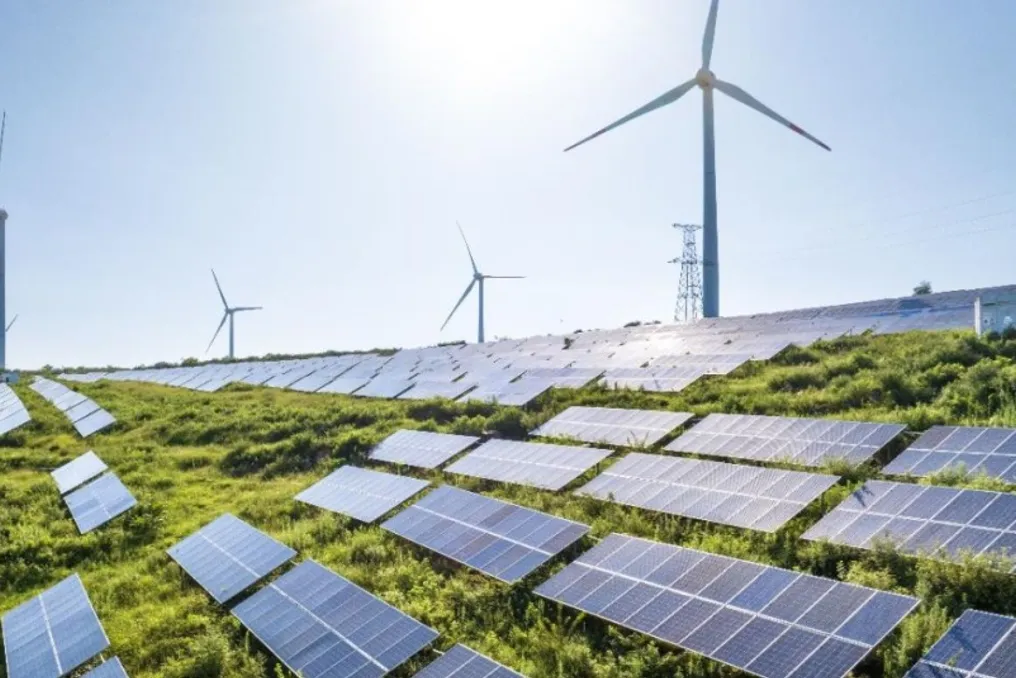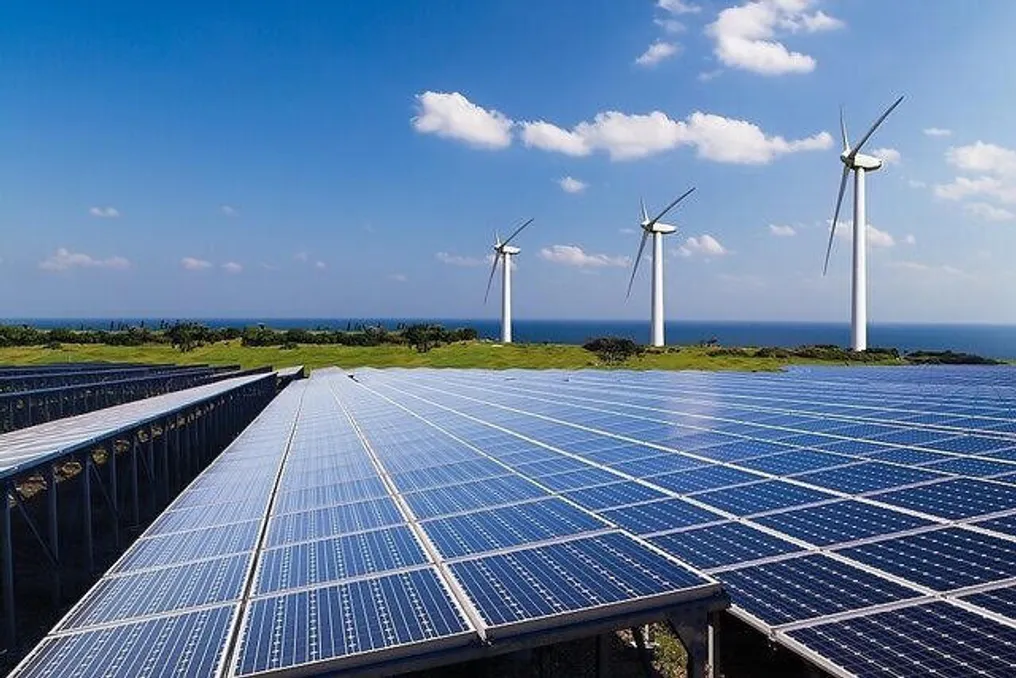
The Deputy Minister of Energy and head of the Organization for Renewable Energy and Energy Efficiency (SATBA) announced new plans by the Ministry of Energy to build 6000 megawatts of new renewable energy facilities in the country. Furthermore, he emphasized that work will be simultaneously intensified to create a value chain and localize necessary equipment.
According to an IRNA report citing SATBA, Mohsen Tar khatalab, explaining the organization's latest steps in developing new energy, named attracting non-state investment and strengthening domestic supply as two main directions to achieve sector goals. He detailed SATBA's new plans in three areas.
In the context of planning 10,000 megawatts of residential solar power plants, he announced the publication of a call for investors from the non-state sector to participate in the construction of small-scale distributed solar power plants.
Tar khatalab specified that the financial model for these projects is developed based on a combination of funding sources: no less than 40 percent must be the investor's equity capital, a maximum of 50 percent can be funds from the National Development Fund, and consumers of electricity must contribute at least 10 percent.
The head of SATBA stated that investors who contribute a higher percentage to the project financing will be given priority in consideration. The investor will be responsible for equipment supply, installation, operation, and sale of generated electricity (with guaranteed repayment of principal and interest through the Green Energy Exchange).
Addressing the implementation of the national program for the development of solar energy systems and the production chain, Tar khatalab noted that SATBA has long put the localization of equipment and the creation of production lines for the needs of solar power plants on the agenda to enhance technological capabilities and reduce dependence on foreign supplies. Now, considering the attractiveness of the Iranian market for investors, this issue is being addressed more seriously.
In this regard, he announced a call to identify and support qualified applicants for the construction, development, and modernization of solar panel production lines, reminding that entities meeting technical and financial requirements will receive support and legal assistance from SATBA.
The Deputy Minister of Energy also reported the start of the repayment period and payments on loans from the National Development Fund by investors. He stressed that as projects advance, investors are obliged to repay the principal and interest on allocated resources according to established mechanisms.
He added that after the repayment period ends, ownership of the solar and other renewable power plants will transfer to the investors. Tar khatalab continued that the participation of the National Development Fund in the construction of renewable power plants has become the first successful example of national investment, which, in addition to building power plants and solar energy generation facilities, has contributed to the expansion of the private sector and the return of used resources to the National Development Fund. The Deputy Minister of Energy concluded that this successful experience can be scaled up to other national needs while preserving the resources of the National Development Fund.