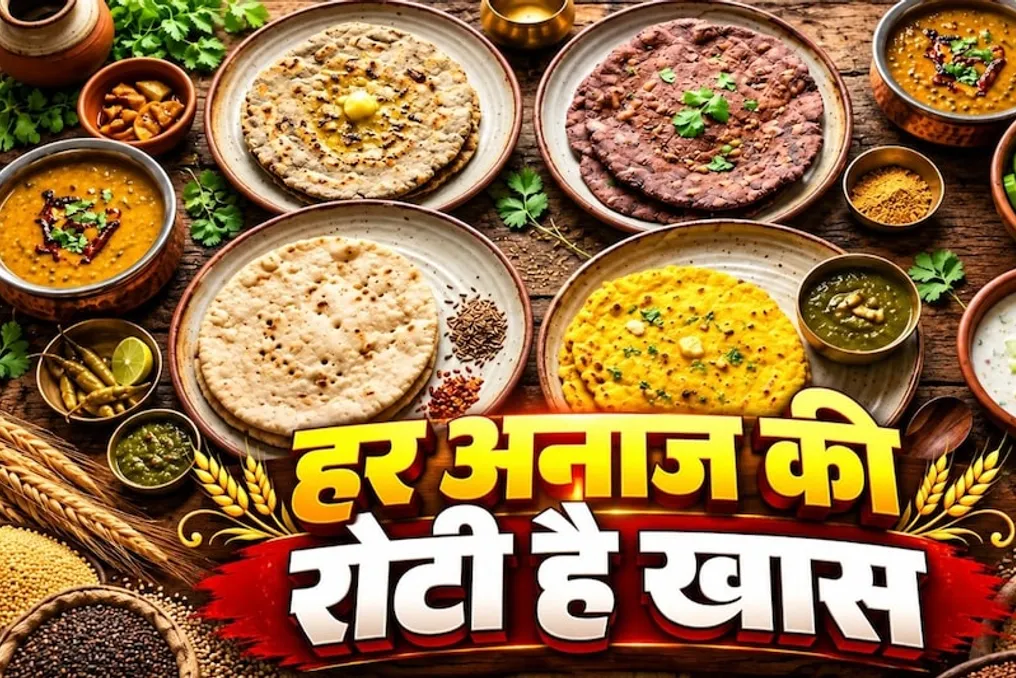
Roti is an integral part of the diet in Indian families, consumed daily. Although bread made from wheat flour is most commonly eaten, there are many variations of roti that can be prepared from various grains. Rotis made from cereals such as millet, sorghum, amaranth, and corn provide the body with numerous essential nutrients beyond taste, including fiber, protein, iron, calcium, and other minerals that aid in energy intake and health maintenance.
If you are tired of monotony in your diet, it is recommended to include rotis made from different grains. Below are the advantages of seven types of roti and tips for their proper consumption.
Millet rotis are especially popular during the winter period. Millet is rich in elements such as fiber, iron, magnesium, and protein. The fiber in it helps improve digestion and provides a lasting feeling of fullness. Magnesium, found in millet, is important for muscle and bone health.
How to eat properly: Bajra rotis can be combined with stewed cabbage (sarson ke saag), green vegetables, or dal. A little ghee can be added to enhance the flavor, but its quantity should be limited.
Sorghum rotis are an excellent choice for those looking to diversify their diet. Sorghum is naturally gluten-free. It contains fiber, protein, and various minerals that help improve digestion and maintain satiety for a long time.
How to eat properly: Jowar rotis are recommended to be eaten with dal, vegetables, or yogurt. If you have gluten problems, ensure that no wheat flour has been added when buying and preparing the dough.
Ragi is considered a calcium-rich grain. Ragi rotis can be part of a balanced diet that helps strengthen bones and teeth. Furthermore, ragi contains fiber, iron, and some essential amino acids, making it beneficial for the stomach.
How to eat properly: Ragi rotis pair well with dal, green vegetables, or yogurt. When kneading the dough, warm water can be used in the required amount to facilitate the roti-making process.
Missi roti is usually made by mixing wheat flour and besan. Besan is enriched with protein, fiber, iron, and folate. Adding besan to wheat flour increases the protein content in the roti. The flavor can be enhanced by adding cumin, fennel, and other spices.
How to eat properly: Missi rotis are served with yogurt, dal, or vegetable dishes. When cooking, oil or ghee should be used according to needs.
For making multigrain rotis, wheat flour can be mixed with flours from millet, sorghum, amaranth, soy, or other grains. Mixing different cereals ensures that the roti has a wide range of nutrients. The fiber it contains aids digestion and supports prolonged satiety. However, the benefit depends on the type and proportions of the flours used.
How to eat properly: Multigrain rotis can be eaten with dal, vegetables, yogurt, or cheese. When preparing the dough, it is important to maintain a balance of grains and avoid excessive amounts of salt or ghee.
Corn rotis are a traditional dish eaten in winter. Corn contains carbohydrates, fiber, and some B vitamins. It also contains carotenoids, such as lutein and zeaxanthin, which are beneficial for vision. Corn flour is naturally gluten-free, although packaged products must be checked for impurities or cross-contamination.
How to eat properly: Corn rotis are traditionally eaten with stewed cabbage. Adding a small amount of ghee enhances the flavor, but for a balanced diet, its consumption should be limited.
Wheat rotis are an important part of the Indian table. They contain carbohydrates, fiber, as well as B vitamins, iron, and zinc. Bread made from whole wheat flour helps the body obtain energy and improves the digestive process. The fiber in it contributes to a feeling of fullness for a long time.
How to eat properly: Wheat rotis are recommended to be combined with dal, green vegetables, yogurt, or cheese to add protein and other nutrients to the diet.