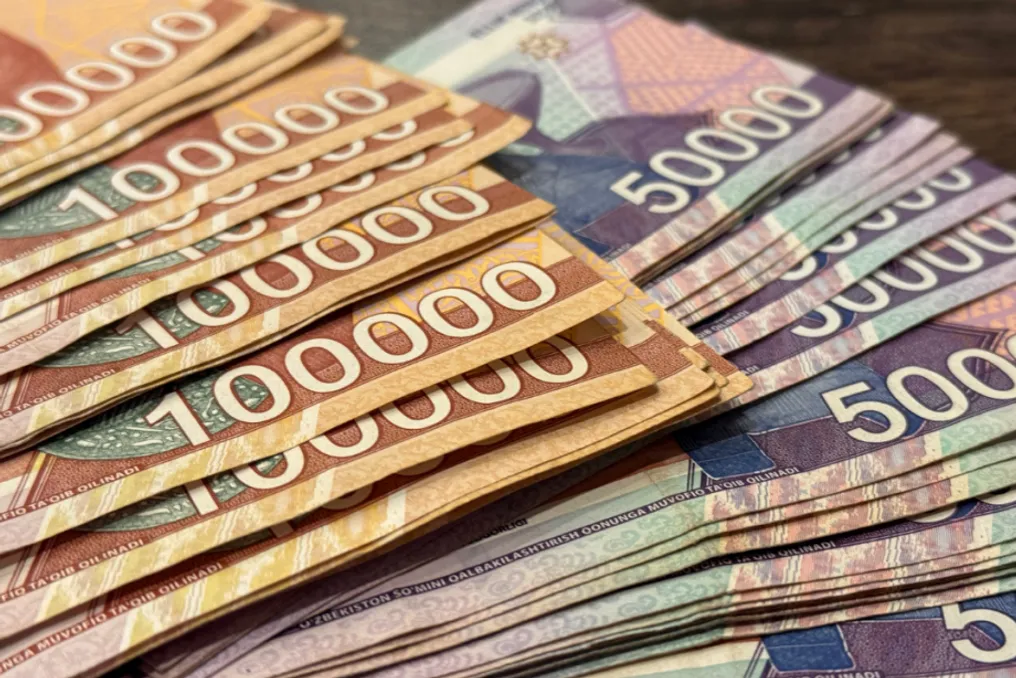
Million Sums Allocated to Needy Families in Uzbekistan for Heating Season
Read more
Podrobno.uz [uz]
podrobno.uz

Million Sums Allocated to Needy Families in Uzbekistan for Heating Season

Support measures are being introduced in Uzbekistan for low-income families aimed at covering expenses related to heating and utility services during the winter period. In November, these families will receive a one-time payment of one million sums, and the criteria for receiving compensation for electricity, gas, and coal payments will also be revised.

These steps have been implemented based on the president's decree and are intended to assist residents during the heating season. The one million sum payment is addressed to families listed in the Social Register, as well as those who meet the established requirements but are not yet included in this register. Factors such as the family's per capita income and housing conditions are taken into account when assessing eligibility.

Families whose average income per person does not exceed twice the minimum consumer expenditure (MCE), which is approximately 1.4 million sums, can receive this assistance. However, special rules apply to residents of apartment buildings with centralized heating: in Karakalpakstan and other regions, the average per capita income must not exceed twice the MCE, whereas in Tashkent, this threshold is increased to three times the MCE.

In exceptional cases, support may be provided to families with incomes above the established limits if it is decided by the district or city headquarters responsible for job creation and increasing the population's income level. Furthermore, assistance is provided for elderly people living alone, citizens with disabilities, individuals requiring care, and families raising orphans and children left without parental care.

The decree also provides for an increase in the maximum average income threshold at which families can expect various forms of social support. Regarding compensation for electricity and natural gas consumption, the threshold will be raised from 1.5 to two MCEs. When allocating funds for purchasing coal, this indicator will increase from one to two MCEs. A similar criterion applies to reimbursing utility payments and repaying debts through the 'Sahovat va Kumak' fund, as well as compensating fuel costs.

The deadlines for providing some types of assistance have also been extended. Compensation for the difference between tariffs within the basic norm of electricity and gas consumption and tariffs for excess consumption will be paid until April 1, 2028. Payments for partial reimbursement of coal purchase costs have been extended until the beginning of 2029. Previously, local authorities in Uzbekistan decided to increase the basic consumption norm for electricity for territories not connected to gas or experiencing gas supply interruptions, raising it from 200 to 350 kilowatt-hours per month.

Similar stories

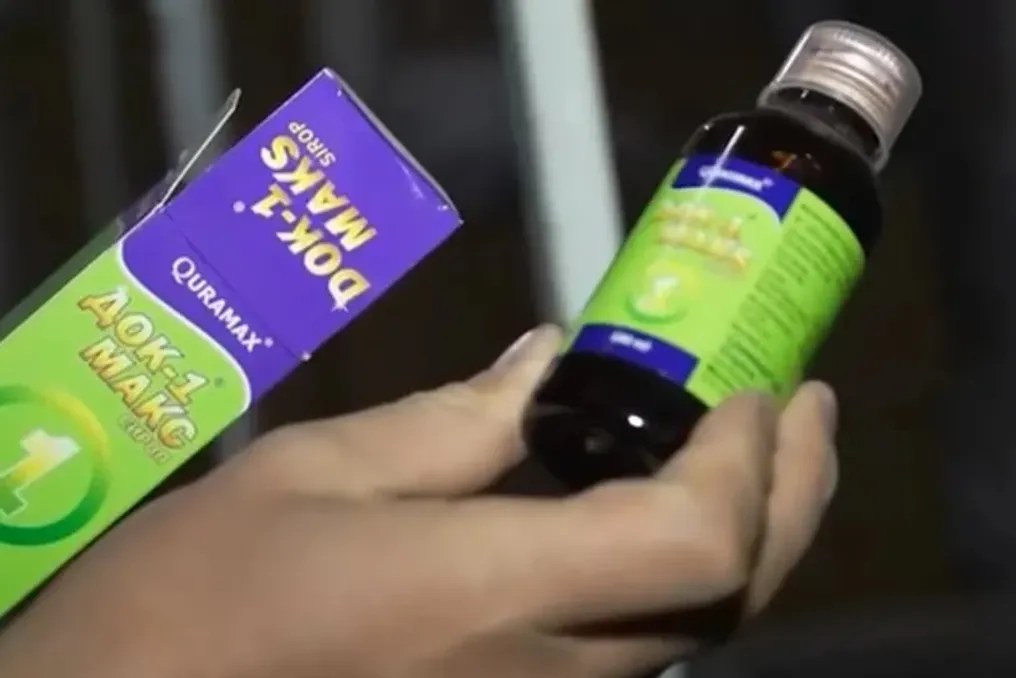
Families of victims of the drug 'Dok-1 Max' in Uzbekistan received 80 billion soms from the state budget
Read more
podrobno.uz

Families of victims of the drug 'Dok-1 Max' in Uzbekistan received 80 billion soms from the state budget

In Uzbekistan, families of children who died or were harmed after taking the drugs 'Dok-1 Max' and 'Ambronol' have been paid a total of 80 billion soms. A significant portion of these funds was allocated from the state budget.

The Ministry of Health reported that 65.2 billion soms were allocated from state funds for compensation. Thanks to additional financing, the total payment amount reached the noted eighty billion soms.

Of this total sum, 72.2 billion soms were received by the family of 72 deceased children. Families of 16 children who are undergoing or continue treatment received an additional 7.8 billion soms. Thus, compensation was provided to 88 out of 90 families entitled to payments according to the court ruling. The remaining 2 billion soms are planned to be transferred to two families after resolving technical issues related to bank cards.

Reasons for payment delays

Initially, the court ordered the payment of a total of 82 billion soms to 90 affected children. However, the process of transferring the funds stretched over several years due to difficulties related to the realization of property seized from the responsible parties. Until the funds were allocated from the state budget, the families had only received 16.8 billion soms, which is approximately 20% of the legally established amount.

The Ministry of Health clarified that the funds received from the budget will subsequently be returned to the state treasury through the sale of the perpetrators' property and the recovery of corresponding amounts from them.

Information on the case related to 'Dok-1 Max'

In August 2022, reports began coming in to Uzbekistan regarding cases of child deaths after taking the syrup 'Dok-1 Max', manufactured by the Indian company Marion Biotech. It later became known that this drug contained toxic compounds—ethylene glycol and diethylene glycol. Similar impurities were also found in another medicine from the same company—'Ambronol'. The World Health Organization confirmed the presence of these toxic substances in the specified medications in January 2023.

The sale of 'Dok-1 Max' was suspended in December 2022. After receiving information about the deaths of children, the State Security Service initiated a criminal case. The investigation revealed that laboratory tests were not conducted when this syrup was registered. According to data presented in court, the company Quramax, which was responsible for importing these drugs, also paid remuneration to medical personnel for prescribing the specified medication.

In August 2023, a trial began at the Tashkent City Court for Criminal Cases against 21 defendants—including 20 Uzbek citizens and one Indian citizen. According to court information, between August 2022 and May 2023, 68 children died after taking these drugs, and another 16 were disabled.

In February 2024, the court sentenced the former head of the Pharmaceutical Industry Development Agency, Sardor Kariev, to 18 years in prison. His deputies, Amirkhon Azimov and Nodirbek Musaev, were sentenced to 16 years each. The director of Quramax, Ragnevdr Pratar, was sentenced to 20 years in prison. The court also ruled to compensate the families of deceased and injured children for moral damages. The appellate court upheld the verdict.

Popular