Garden exhibition with drought-resistant plants to be held in Johannesburg
Read more
IOL
iol.co.za

Garden exhibition with drought-resistant plants to be held in Johannesburg

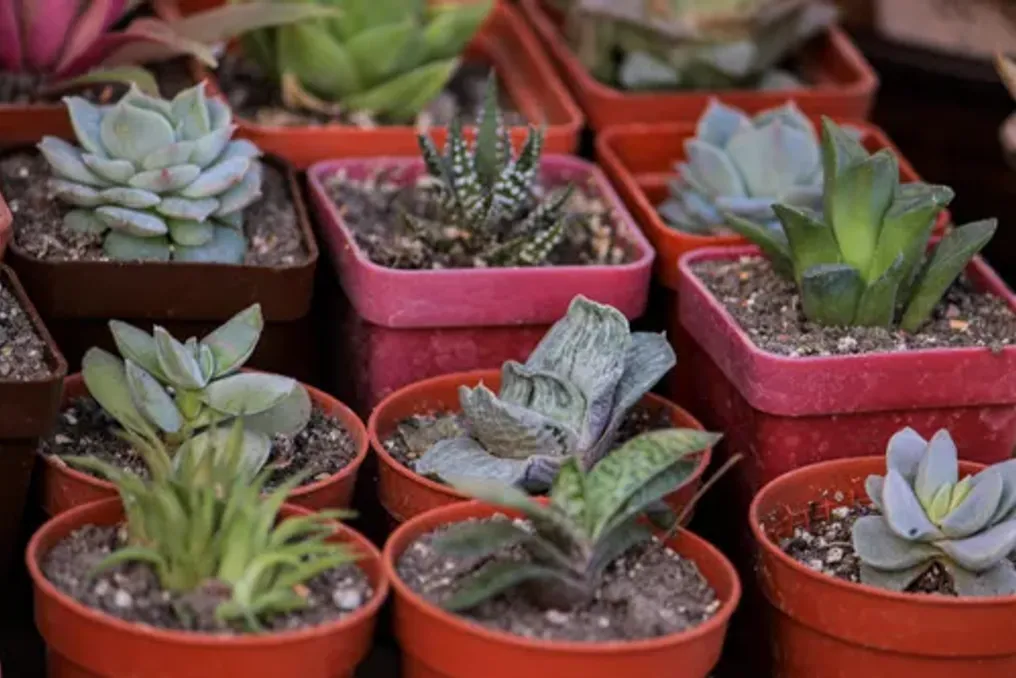
Gardeners looking to refresh their outdoor spaces before summer arrives can attend the annual bonsai, succulent, and plant exhibition at Kilларни Mall from October 30 to November 1, 2026.

Organizers have called this event one of South Africa's largest garden exhibitions. The exhibition will feature over 60 participants and vendors, offering visitors the opportunity to view succulents, rare plants, orchids, and bonsai from specialized growers.

For the first time this year, the Wittersrand Orchid Society will participate, conducting live demonstrations on orchid repotting daily at 11:00 and 14:00.

Bonsai enthusiasts can also bring their wilting trees to the free 'Bonsai Hospital' for consultation and diagnosis. The event is also family-friendly, as a free children's zone will operate on Saturday and Sunday.

The exhibition is intended for everyone, from novice plant owners to experienced gardeners and collectors. Entry to the event is free.

Similar stories

Five Waterparks and Recreation Spots Near Cape Town for Family Fun
Read more
iol.co.za

Five Waterparks and Recreation Spots Near Cape Town for Family Fun

When temperatures rise, the obvious choice is often a trip to the beach or a pool. However, for children who prefer spending their afternoons sliding down water slides, there are several alternative options near Cape Town.

These locations offer various ways to spend a summer day—from familiar coastal attractions to large adventure parks equipped with pools and activities beyond just water. Some are suitable for a few hours of swimming, while others can occupy a family for a much longer period.

Below are five waterparks in the Western Cape that are worth considering when planning your next family outing.

Water World Strand

Water World Strand offers families the chance to combine waterpark fun with beach relaxation. Located on Beach Road, this venue features a variety of water slides and pools, as well as grassy areas for relaxing between swims.

The slides cater to different age groups and confidence levels: from calmer options for toddlers to fast rides for older children and adults. Families can bring a picnic or purchase food and drinks at the on-site cafe. The attraction's appeal is also enhanced by its seaside location, which is especially valuable for families wanting to maximize a summer day along the Strand coast. Since the park can be crowded on weekends and during school holidays, it is recommended to plan your visit in advance.

Wiesenhof Adventure Park

For families looking for more than just water slides, Wiesenhof Adventure Park offers a full day of outdoor activities between Stellenbosch and Klipmuts. This site features pools, children's pools, and water slides suitable for various ages.

In addition to water entertainment, children can enjoy a trampoline park, a climbing wall, and a scooter track, where bikes and scooters provide another way to burn energy. There are also open lawns, picnic areas, and designated barbecue spots, allowing families to bring their own food and spend several hours on the premises. Thanks to the combination of land and water activities, this park is ideal for families with children of different ages who need plenty of entertainment in one place.

Muizenberg Water Slides

Muizenberg Water Slides is a compact coastal attraction long associated with summer trips to False Bay. The venue includes three slides, among which there is a gentler option for younger visitors and faster rides for those seeking more thrills.

A splash pool serves as a refreshing spot between runs, and shaded seating provides a resting area for accompanying adults. Amenities here are quite basic: toilets, changing rooms, and a kiosk selling snacks and drinks. The location allows for an easy combination of a few hours on the slides with a walk along Muizenberg beachfront or other local activities. For families who do not want to spend the entire day in a large entertainment complex, this offers a simple way to keep children occupied during the warmer months.

Milnerton Waterpark

Milnerton Waterpark offers families a mix of water fun and outdoor entertainment, including pools and slides, as well as attractions for visitors who prefer staying dry. Activities at this venue include mini-golf, trampolines, and four-wheeled vehicles.

Picnic areas and designated barbecue spots also make it an option for families who wish to bring their own food and spend the day outdoors. The variety of activities is traditionally one of the main attractions of the park, especially for groups with children of different ages.

Sunny Park Langebaan

Sunny Park Langebaan is an option for families heading to the West Coast who want to combine swimming with other outdoor activities. The complex offers water slides and pools, including both indoor and outdoor options. It also features trampolines, mini-golf, pedal carts, and a children's playground, offering younger visitors alternatives when they need a break from the water.

Picnic tables and barbecue areas allow families to bring food and stay longer, although food is also available on site. The wide range of entertainment makes Sunny Park suitable for families who prefer a varied day rather than spending all their time by the pool. Those planning a trip to the West Coast should check which specific activities and facilities operate before the start of the summer season.

Planning a Family Visit to the Waterpark

A little preparation can make a summer outing easier. Before leaving, you should check the operating hours, especially during school terms and outside of peak season, when some attractions may run on a reduced schedule.

It is necessary to bring swimsuits, towels, sunscreen, and hats, and to familiarize yourself with each venue's rules regarding bringing food and drinks. On busy days, arriving early will also help find a suitable spot for the family. Most importantly, choose a place that matches your children's ages and interests. A smaller slide park might be perfect for a few hours of fun, whereas a larger adventure park can offer enough variety to fill the whole day.

Children in Odisha study water conservation using Sal leaves and clay in forests
Read more
thebetterindia.com

Children in Odisha study water conservation using Sal leaves and clay in forests

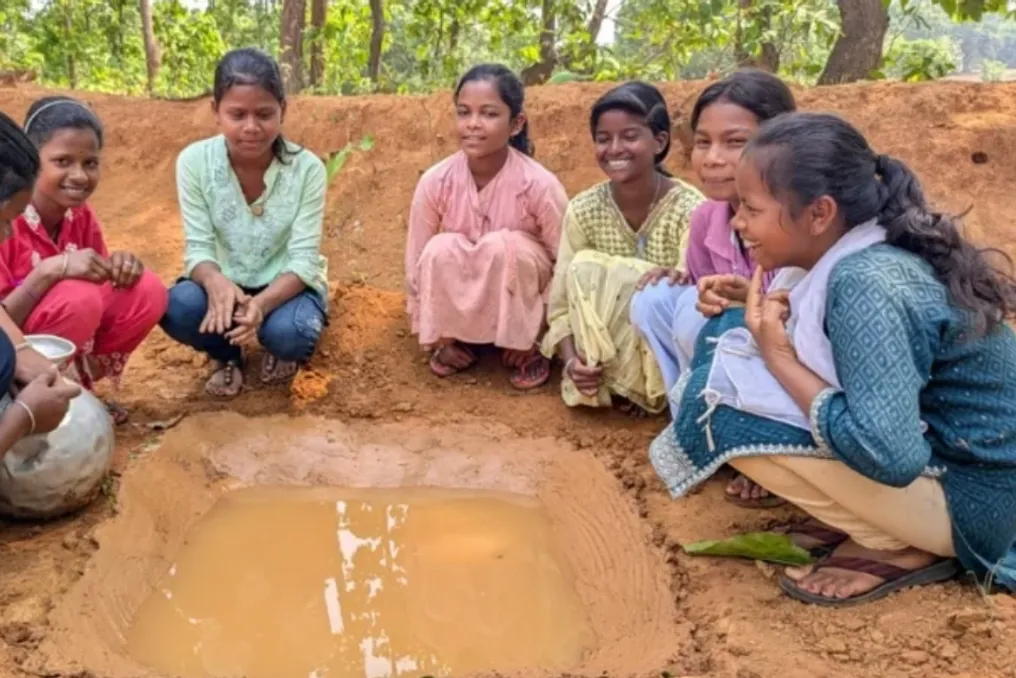
Unusual experimentation on water conservation has begun in the forests of Keonjhar district in the state of Odisha. The idea was for children to learn how to retain moisture by observing nature, using only a Sal leaf, a little clay, and a small depression in the ground.

The Lesson Hidden in the Leaf

During a walk through the dry forest slopes near the village of Khaladipani in Keonjhar district, a local elder stopped next to a curled Sal leaf. A thin film of dew had condensed in its cup-like curve, retaining moisture despite the surrounding soil drying out under the heat. For the children accompanying him, this became a small observation behind which lay a broader question: if a leaf can capture and retain a small amount of water, can they replicate this ability on land where water is a scarce resource?

The elder, known among locals as the 'jungle master,' encouraged the children to try. Instead of using plastic sheets or factory containers, the children began conducting experiments with Sal leaves and clay, creating small pits capable of collecting and holding water. This experiment was documented by Biswabijayini Mohanty in a report published by Village Square on September 16, 2026, titled 'The Water Conservation Lesson from a Leaf.' The report described how an observation during a forest walk turned into a practical water conservation exercise, where children learned through trial, error, and close attention to the environment.

How the Children Made the Pits

The children dug shallow depressions at the edge of the forest using simple tools, branches, and their hands. However, they soon encountered a problem: the loose soil absorbed the water poured into the pits before it could be retained. The jungle master helped them revise the design.

First, they laid wide Sal leaves on the bottom and sides of each depression, overlapping them like tiles. Then, they spread clay soil over the leaves, compacting and leveling it until the hollow took the shape of a shallow bowl. These two materials served different functions: the layer of leaves helped support the clay while drying, and the compacted clay formed a base designed to slow down water penetration into the surrounding soil. The children repeated this process, allowing the clay to harden before filling the pits. In about two weeks, they created a network of small water-retaining depressions along the forest boundaries. According to Village Square, the pits were generally no deeper than a forearm and rarely wider than a large dinner plate. The construction did not use plastic liners, expensive equipment, or complex engineering; the materials were taken from the surrounding landscape, and the method evolved through observation and experimentation.

When Rain Tested the Idea

These pits were intended to hold water during dry months. But after several days of rain, runoff washed away the loose soil down the slopes, turning the surrounding water sources murky. However, the pits seemed to retain relatively cleaner water. The explanation partly lies in how water behaves when allowed to settle. Rainwater flowing over open ground can carry suspended soil particles and other sediments. When this water collects in a relatively calm depression, heavier particles gradually settle at the bottom, leaving the water above less turbid. The report also records sightings of wild animals, including sambar deer, rabbits, mongooses, and squirrels, observed drinking from these pits. Nevertheless, there is an important distinction between water that looks clean and water that is safe to drink. The report lacks results from laboratory tests confirming the potability of the water collected in these pits.

What Science Says About Sal Leaves and Water

The principle underlying the experiment has parallels with traditional agricultural methods documented elsewhere in Odisha. A study by Dr. Prasanta Kumar Mishra, a leading scientist at the Central Research Institute of Dryland Agriculture, describes how tribal farmers in the village of Pakanaghon in Kandhamal district use Sal leaves as mulch in turmeric fields. The report, published by LEISA India, notes that farmers spread a layer approximately 20–25 cm thick on their fields before the monsoon season. The leaf cover helps retain soil moisture, reduces runoff and soil loss, suppresses weeds, and protects the soil from the direct impact of raindrops. Mulching works by covering the soil surface, reducing its exposure to direct sunlight and wind, and helping to slow evaporation. It can also reduce the impact force of raindrops on the ground, limiting soil particle displacement. Depending on the soil type and rainfall conditions, this cover can allow more water to remain available in the soil.

The experiment in Khaladipani uses Sal leaves differently: instead of spreading them across agricultural fields, the children place them under a compacted clay liner in small depressions. Both methods demonstrate how the local Sal can be used for moisture and soil management. The children are not simply instructed about water scarcity or the need to protect forests. They are encouraged to observe the leaf, understand its function, test a hypothesis, and learn from subsequent results. This is a practical starting point for environmental education.

Popular