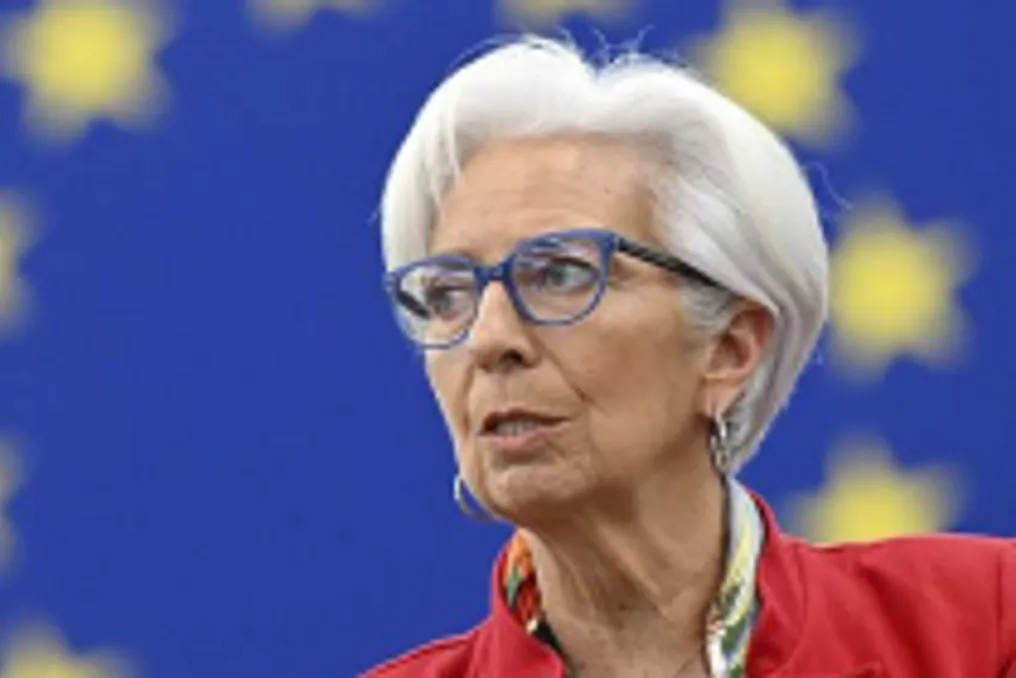
European Central Bank (ECB) President Christine Lagarde announced on Thursday her intention to step down from her position. According to her statement, she will leave the post on February 7, 2027.
Similar stories
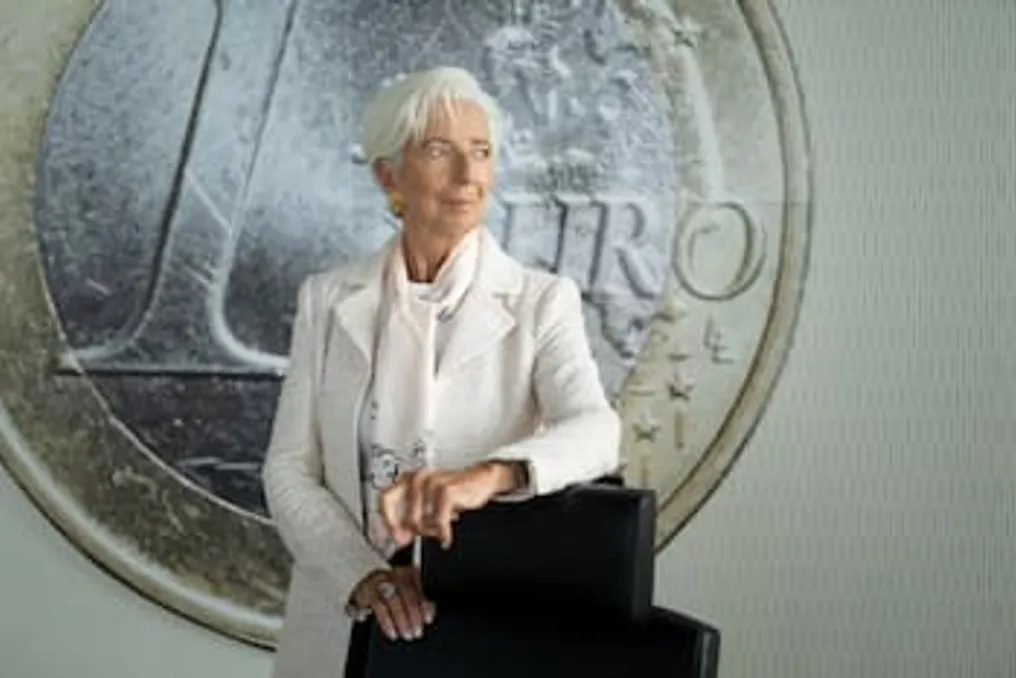
Christine Lagarde to step down as President of the European Central Bank in February 2027
The central bank announced on Thursday that Christine Lagarde will cease her duties as President of the European Central Bank (ECB) on February 7, 2027, thereby ending her term earlier than planned. Her eight-year mandate was originally scheduled to expire in October 2027.
This announcement was made against the backdrop of an ECB Governing Council meeting, which discussed interest rates across the eurozone, according to The Guardian. Lagarde, who is 70 years old, began leading the ECB in November 2019, succeeding Mario Draghi. Her tenure has been marked by several economic upheavals, including the Covid-19 pandemic, Russia's invasion of Ukraine, the subsequent energy crisis, and later economic consequences of the war between the US and Israel against Iran, as well as the trade policies of US President Donald Trump.
Succession at the ECB
In recent months, speculation has intensified regarding Lagarde's possible departure before the end of her term. Her exit could allow European leaders to select a successor before the presidential elections in France next spring, as noted by The New York Times. French President Emmanuel Macron is one of the leaders involved in selecting the ECB president, alongside other European Union leaders.
Furthermore, last year there were discussions about Lagarde's future after Klaus Schwab, founder of the World Economic Forum, stated that she was considering leaving the ECB to lead this organization, which holds its annual meeting in Davos, Switzerland.
Managing the Eurozone Amid Economic Crises
Lagarde started working at the central bank just a few months after the global economy was disrupted by the Covid-19 pandemic. During the crisis, the ECB launched a large-scale bond-buying program to support economic activity.
In 2022, Russia's invasion of Ukraine triggered an energy shock across Europe, causing a sharp rise in natural gas prices and pushing inflation in the eurozone above 10 percent. The ECB ended its negative interest rate policy and significantly raised borrowing costs to curb inflation. After inflation began to decline, the central bank started lowering interest rates in mid-2024. Subsequently, inflation returned to the target level of 2 percent, which contributed to the stabilization of monetary policy.
This year, the war involving the US, Israel, and Iran has led to rising energy prices and renewed inflationary pressure. The ECB responded by raising interest rates, becoming the first major central bank to do so in response to the conflict.
Expanding the Role of the ECB
Lagarde insisted that the ECB examine the financial risks associated with climate change and called on European governments to implement reforms to improve productivity and competitiveness. She also advocated for deeper economic integration among member states and increased investment in new technologies, including artificial intelligence (AI).