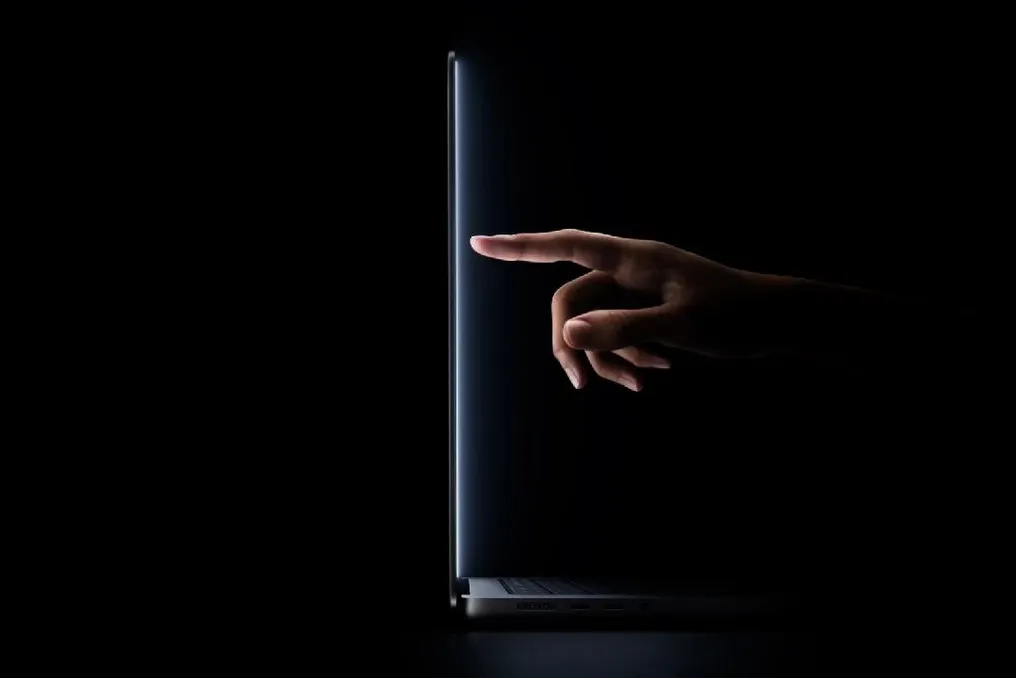
Apple has introduced its newest MacBook Pro model, which will now be equipped with a touchscreen feature. This decision became possible after the company long refused this technology, dating back to when Steve Jobs rejected it in 2010.
Similar stories
Apple releases first MacBook Pro with touchscreen; expected price in South Africa to exceed 60 thousand rand
Apple has officially unveiled its first touch-screen laptops, although they appear approximately 14 years after the release of Microsoft's Surface line. The announcement was made on Wednesday.
Despite the technological innovation, the cost of these devices is very high. The 14-inch model starts at $2,899 USD (equivalent to 48,183 rand) in the US, and the 16-inch version starts from $3,399 USD (56,490 rand). This means that after import into South Africa, these laptops could cost no less than 60,000 rand, making them a premium purchase item.
The new laptops are equipped with next-generation M5 Pro and M5 Max chips, which place a strong emphasis on advanced artificial intelligence capabilities while ensuring exceptional battery life of up to 24 hours. In addition to internal improvements, the new lineup features a thinner, lighter, and more refined chassis.
Available in 14 and 16-inch configurations, the laptops feature revolutionary Ultra Retina XDR displays, setting a new standard for laptop screens. These displays support an adaptive refresh rate of up to 120Hz and provide peak HDR and SDR brightness levels of 2,000 nits.
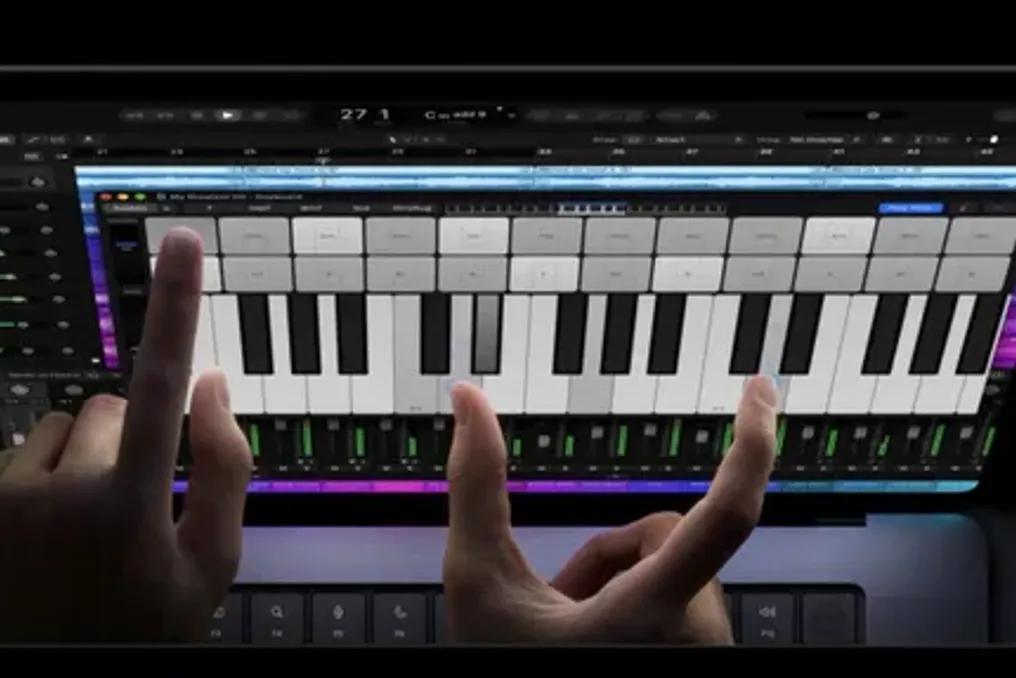
The integration of touch functions into macOS allows the MacBook Pro to borrow popular elements from Apple's premium iPad line. This makes navigating 3D models and spatial content significantly more intuitive, and music production studios and virtual instruments gain an entirely new, tactile dimension.
The design overhaul also introduced the Dynamic Island to the Mac for the first time, thereby eliminating the notch in the professional line that had caused controversy upon launch and remained a source of disappointment across several generations of Apple Silicon-based MacBooks.
High-demand users can configure the M5 Pro and M5 Max models with up to a substantial 128GB of unified memory and up to 16TB of high-speed SSD storage. Sound quality has also seen a significant improvement: the redesigned six-speaker audio system provides 50% deeper bass and increased clarity, developing a system that already led in audio performance for laptops.
Running on macOS Sequoia with deep Siri AI integration, the new MacBook Pros set a dominant standard in the high-end laptop market for years to come.
During the presentation, Apple's hardware head stated: 'The new MacBook Pro with Ultra Retina XDR displays represents a monumental step forward for Mac. Ultra Retina XDR is the best display for laptops in the world; it combines advanced Tandem OLED technology with sophisticated algorithms in our display engine to deliver visual accuracy that professionals have dreamed of.' He continued: 'And with the magic of touch brought to the MacBook Pro, combined with the game-changing performance of the M5 Pro and M5 Max, we have created an entirely new way for professionals to interact with their content, taking their workflows to a whole new level. The new MacBook Pro is the result of deep integration between Apple silicon hardware and software, and there is simply nothing like it.'
Apple plans to launch touch screen MacBook after years of hesitation
Apple is expected to unveil its first touch screen MacBooks this Wednesday, marking the end of a long resistance to the feature. This launch is part of a series of company updates before the year-end shopping season, and the event, held in Los Angeles, may conclude an old debate about including touch screens in the brand's computer line.
Reviewing Apple's Historical Stance
In 2010, Steve Jobs had classified touch screens on laptops as 'ergonomically terrible.' Two years later, Tim Cook, who was the company's CEO at the time, compared combining these distinct technologies to trying to put a toaster and a refrigerator together.
Meanwhile, the competition followed a different path. Windows operating system laptops have offered this feature for over ten years, and a new generation of consumers has become accustomed to interacting directly with smartphone and tablet screens.
Anshel Sag, an analyst at Moor Insights & Strategy, considered Apple's stance misguided. He stated: 'I believe they have always been wrong to resist touch, and now reality is setting in,' adding that 'some things are simply inevitable.'
New MacBooks May Retain Current Chips
The presentation comes after the launch of the iPhone Duo in September and a smart home hub earlier this month. This week, Apple also announced an updated entry-level MacBook Pro version that uses the M6 chip.
According to Bloomberg News, the models that will come with touch screens are expected to use the M5 Pro and M5 Max processors, which are already available in other versions of the laptop. Consequently, these new models should not show a drastic leap in performance terms.
This detail is important because part of the recent increase in Mac sales comes from corporations and enthusiasts who use the computers to perform local artificial intelligence (AI) tasks. Jason Calacanis, a technology commentator and host of the All-In podcast, emphasized this priority in an X post, stating: 'The only thing people want is more memory and better processors for local models!'
The introduction of touch has the potential to change how users interact with MacBooks. However, it remains uncertain whether this feature will be enough to attract consumers who are also awaiting improvements in equipment processing power.