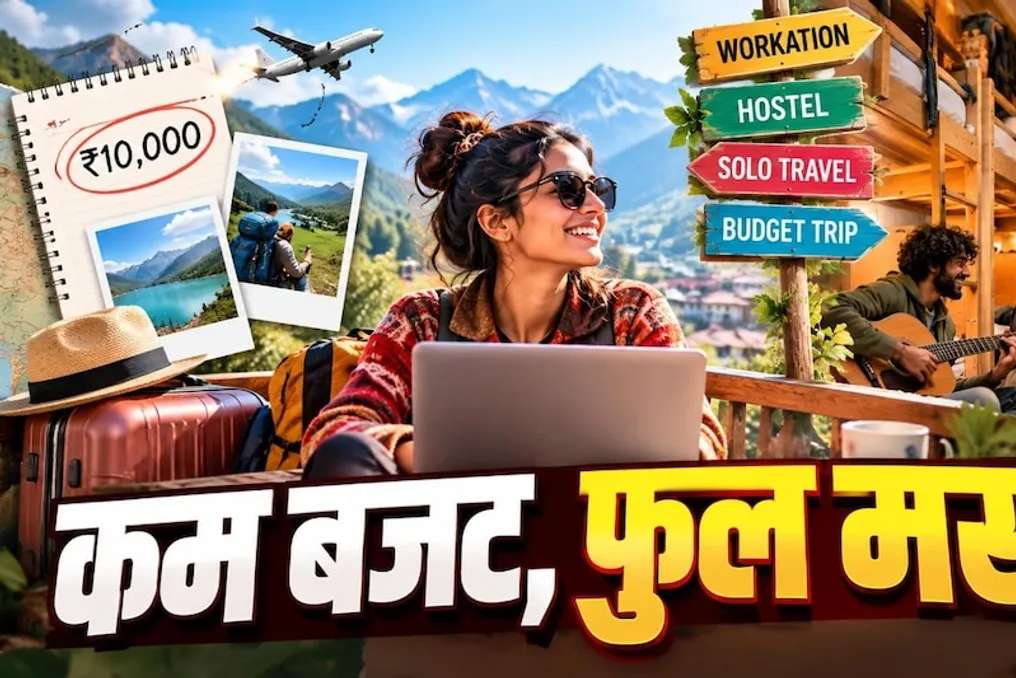
How Generation Z Plans Weekend Trips on a Budget of 10 Thousand Rupees
Read more
Aaj Tak
www.aajtak.in

How Generation Z Plans Weekend Trips on a Budget of 10 Thousand Rupees

Young people of Generation Z, born approximately between 1997 and 2012, are now traveling without expecting large budgets or friends' approval. Four main factors contribute to this travel trend: a preference for affordable hostel accommodation, the freedom to travel solo, the ability to work from anywhere in the world, and prioritizing authentic experiences over luxury.

Previously, trip plans, such as those to Rishikesh, were often ruined by one friend's refusal. However, the new generation now packs their bags on Friday evening, sets a budget of 10 thousand rupees, and heads to hostels in Kasol, Rishikesh, Darjeeling, or Goa by bus or train. Workations, which combine working days with weekends, have become a popular trend among young people.

For Generation Z, travel is not about a room in a 4 or 5-star hotel, where daily accommodation costs can reach 4 thousand rupees. Young people book beds in communal hostels like Jostel, Hosteller, or Mustach, which cost between 500 and 1200 rupees per night. These hostels provide clean lodging for a small price, access to Wi-Fi, and workspaces in cafes, making it easy to stay within the 10 thousand rupee budget for accommodation, food, and entertainment.

If solo travel was once considered strange or forced, for the new generation it has become a status symbol. Hostel common areas are designed so that unfamiliar young people from different parts of the country and the world can play board games, play guitar, and socialize together. Instead of being disappointed by a canceled group trip, Gen Z members set off independently and often make new acquaintances at the hostel.

Following the pandemic, the trend toward hybrid and remote work has increased in corporate culture. Young professionals no longer need office cubicles to get work done on Monday. Today, the favorite way for young people to work is to work on a balcony in the mountains, holding coffee in one hand and a laptop in front of them. Thanks to the ability to add two days of remote work to three official weekend days, it has become easier to organize a five-day trip.

Generation Z prefers authentic life experiences over luxurious trips for show. Their preferences include visiting local cafes, hiking, and listening to campfire stories at the hostel in the evening, rather than traveling in expensive cars. This trend is growing due to affordable hostel accommodation, solo travel opportunities, remote work, and the focus on real experience. The freedom and peace of mind that can be gained within a small budget of 10 thousand rupees have become a way for modern youth to escape the daily stress of the corporate environment.
Similar stories

Snapchat launches 'Inner Circle' campaign, highlighting friends' influence on Gen Z purchasing decisions
Read more
www.aajtak.in

Snapchat launches 'Inner Circle' campaign, highlighting friends' influence on Gen Z purchasing decisions

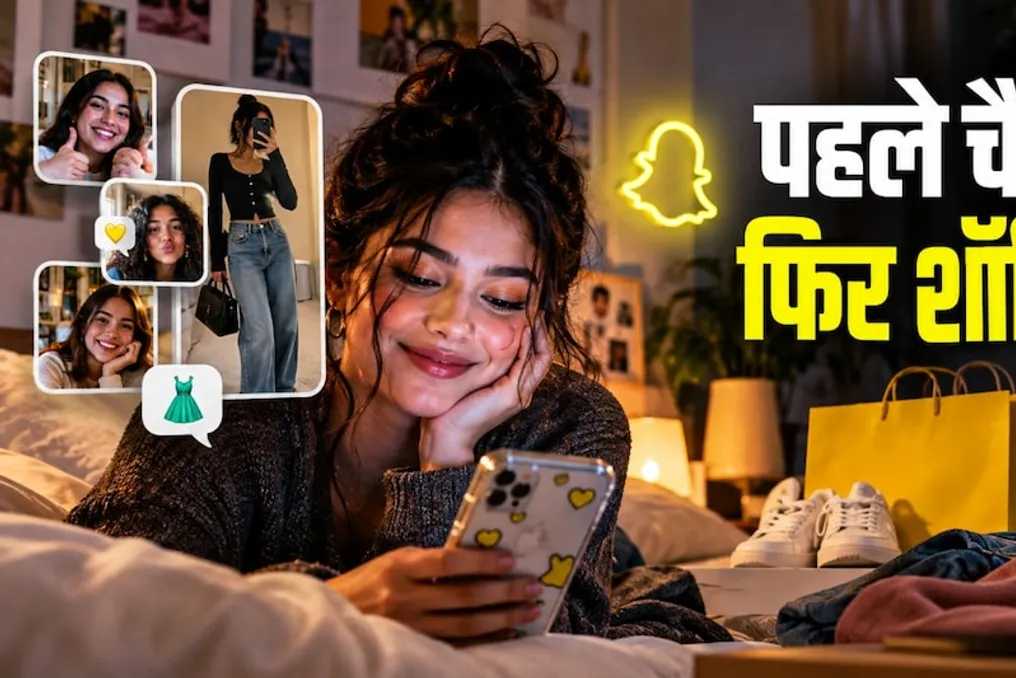
For Generation Z, the purchasing process has long gone beyond simply browsing and buying goods online. Today, getting friends' opinions, advice received in chats, and sharing photos of looks have become an integral part of the shopping process. Often before buying clothes, users ask friends to check the fit, and before purchasing cosmetics, they seek advice from close people.

Considering this changing trend, Snapchat has launched a new brand campaign called 'Inner Circle.' According to a report by 'Passionate in Marketing,' published in October 2026, the goal of this campaign is to demonstrate how strongly close friends and personal communication influence Gen Z's purchasing decisions. Brands such as Myntra, Instamart, and Nike are participating in this campaign.

Snapchat's 'Inner Circle' campaign illustrates three typical life situations. The first is getting help from a friend when choosing an outfit for a wedding. The second is consulting a trusted friend before buying a cosmetic product. The third is purchasing something special for gatherings with friends during Diwali. These examples show that social media communication serves not only as a means of staying connected with friends but also helps in product discovery, receiving feedback, and ultimately making a purchase decision. Thus, shopping can start in a chat and end with an online order.

Rahul Doss, Growth Director at Instamart, noted that during festivals, sudden visits from friends, spontaneous planning, and creating special moments through small things often happen. His partnership with Snapchat demonstrates that many situations begin in a chat, after which people order the necessary items.

Neha Gulati, Senior Branding Director at Myntra, stated that choosing outfits for festivals is a social event. Checking the look's fit via chat gives people confidence in their appearance. In her opinion, brands can make fashion more personal and engaging by participating in the conversations that Gen Z trusts.

Ankit Goile, Marketing Head at Snap Inc., emphasized that festive shopping has ceased to be a simple process. For Gen Z, the purchase decision starts with the people they trust. This could be a friend's opinion, a photo posted on Snapchat, a fit check, or advice received in a chat. He added that it is not enough for brands just to show their product; they need to become part of the conversations that influence purchasing decisions.

According to the report, the 'Inner Circle' campaign films will be shown on major digital platforms. Additionally, outdoor and digital outdoor advertising will be placed in Mumbai, Delhi-NCR, and Bangalore. A study conducted by Snapchat and GWI earlier this year also focused on changing holiday shopping habits in India. The new campaign develops the idea that for Gen Z, shopping is no longer limited to the product and price; friendship, trust, and personal interaction play a key role here.

Snapchat's 'Inner Circle' campaign focuses on how Gen Z interacts with their close friends when making purchasing decisions. Today, social media serves not only as a tool for viewing new products but also helps in gathering friends' opinions and making a final purchase decision. This means that the online shopping experience for Gen Z is not limited to viewing a product on a website and ordering it; it includes communicating with friends, sharing preferences, and receiving their advice.

Imagine someone finding a jacket they like online. Instead of buying it immediately, they first send a photo to friends. One friend praises the color, while another points out that a better option can be found for the same price. Ultimately, the purchase decision is made considering all these factors. This approach helps Gen Z trust their choices and also allows them to learn about different options before making a purchase. Friends' advice is especially useful in areas such as fashion, beauty, and technology.

Previously, people would go to markets with friends or consult at home. Now, the same thing can be done by exchanging photos and videos via chat on a phone. Users on platforms like Snapchat can share their preferences and purchase-related questions by communicating with their loved ones. These changes are also important for brands. It is no longer enough for the product to be liked; what matters is that people discuss it with their friends.

Popular