AgiBot released the GO-3 Preview model on October 29. This embodied artificial intelligence model is capable of continuous learning at all stages: during pre-training, after it, and even after deployment into operation. AgiBot intends to make the full model publicly available by the end of 2026.
GO-3 Preview is based on an architecture that AgiBot calls WRAM, or World Reasoning Action Model. This architecture links task reasoning, future event prediction, and action generation, allowing the robot to understand instructions, anticipate outcomes, and perform corresponding movements.
The model recently won first place in three embodied AI rankings: RoboDojo, RoboTwin, and RoboColiseum. AgiBot claims that the model scales in two directions. On one hand, rich examples of object processing and task development are provided by first-person videos of people, while robot trajectories link observations with actions and physical results.
On the other hand, the model's higher learning capacity transforms this disparate experience into skills that can be applied to new tasks. After pre-training, the company notes that robots can perform unfamiliar tasks in homes, kitchens, multi-robot systems, and execute fine manipulation without additional fine-tuning.
With several demonstrations, the model is capable of mastering long and delicate operations, such as making jianbing—a Chinese savory crepe. After fine-tuning and step coordination by the agent, the robot can also assemble Lego pieces.
For the post-training phase, AgiBot developed the Genie Evolver distributed learning system, which combines about one hundred real robots with physics simulation and world models. In a table curling game, the robot surpassed the average tested human after four hours of online training. In a block tower game, it managed to pull out five blocks consecutively while maintaining the tower's stability.
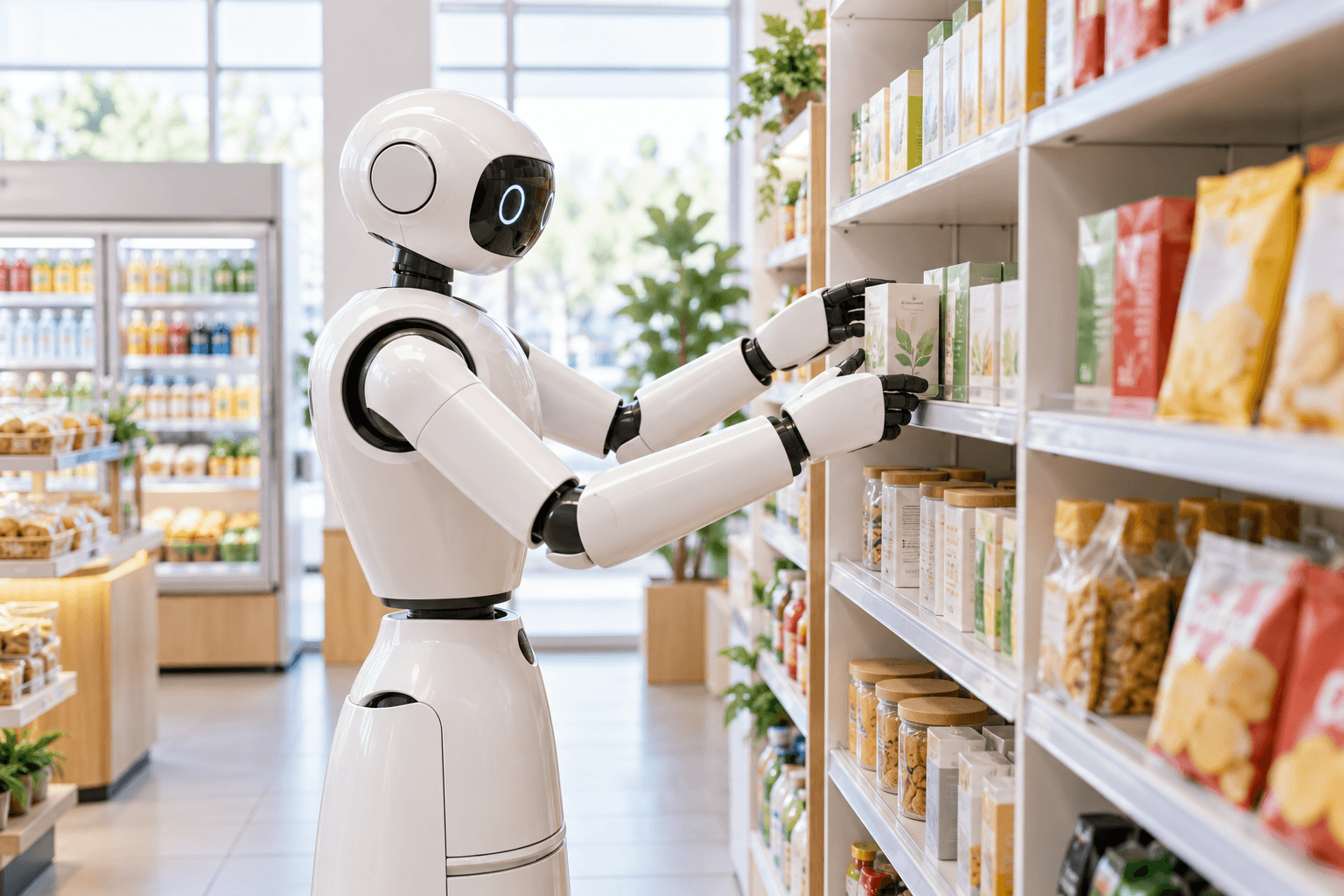
After deployment, the Genie Master agent structure ensures communication between reasoning, execution, and feedback, allowing robots to continuously improve during operation. The AgiBot G2 robot, operating in a real 24-hour store, independently detected the causes of its own failures, adjusted its approach, and retained the acquired knowledge without human intervention or tuning. This robot's success rate in a full workflow increased from 28.6 percent on the first day to a stable 85.7 percent after five days.
In a task similar to hanging small hooks, AgiBot states that this method increased the success rate of the individual task by 17.7 percentage points compared to traditional controlled fine-tuning, and the training process continues online.