One year after establishing its factory in Camaçari, Bahia, BYD plans to begin producing fully industrialized automobiles in Brazil by December. Furthermore, the Chinese automaker has shown interest in acquiring the former Ford port, located in Candeias, Bahia, aiming to expand its export capacity.
These plans were disclosed on Thursday, the 29th, during a press conference held at the Federation of Industries of the State of Bahia (Fieb) in Salvador, Bahia. Alexandre Baldy, the factory's vice president, informed that the stamping, welding, and painting sectors are already undergoing tests.
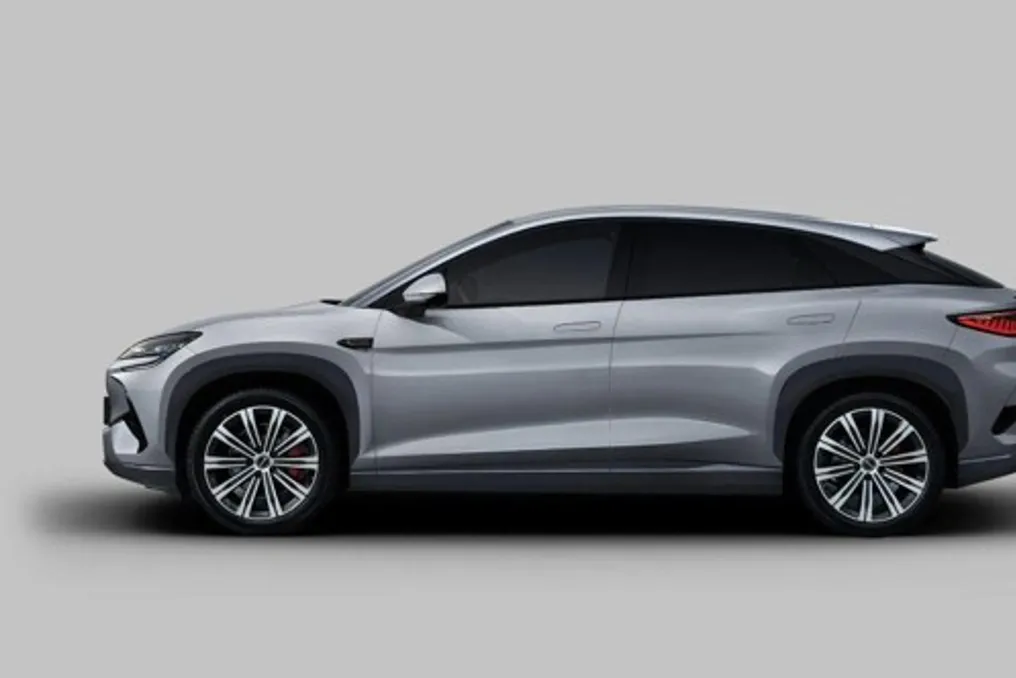
The forecast is that testing will be finalized in November, allowing national production to begin between November and December. The first vehicle to be produced under this new process will be the Atto 2, a plug-in hybrid model that uses both an electric and combustion engine, compatible with both gasoline and ethanol. This vehicle has a price ranging from R$ 149,990 to R$ 166,660.
The intensification of manufacturing phases within Brazilian territory also helps BYD meet the local content requirements established in trade agreements, such as Mercosur standards, which require that at least 35% of the product be composed of national items.
Prior to the activation of the new complexes, cars arrived from China already assembled, with only vital components, such as tires and engines, being installed at the Bahian unit. With the new facilities, most of the industrial cycle can take place in Brazil. Stamping is responsible for molding the steel sheets of the body; welding joins these parts, and painting provides protection against corrosion and aesthetic finishing of the vehicle. Subsequently, the cars proceed to final assembly, where they undergo rigorous inspections and tests.
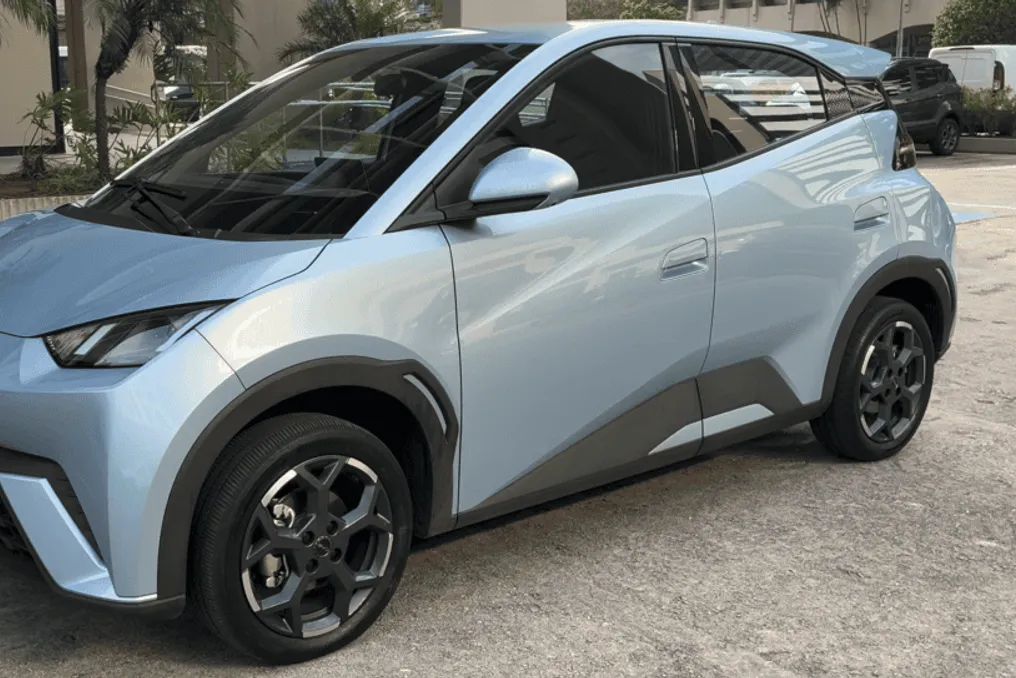
Currently, the factory operates with a daily production of approximately 700 vehicles, including models such as Dolphin Mini, Song Pro, Atto 2, and King. This unit represents BYD's largest hub outside of China, and the company revealed having invested R$ 11 billion in the complex, which covers about one million square meters of built area, with plans to double this size in the coming years.
According to data presented at the press conference, the factory generates nine thousand direct jobs, with a goal of reaching ten thousand positions by 2026. When all planned investments are completed, the projection is to raise the workforce to 20 thousand. A survey conducted by Fieb's Industry Observatory indicates that the average salary of factory workers is R$ 3.9 thousand, a value 24% higher than the average in the Bahian industry.
The collaboration between Fieb and BYD aims to quantify the economic impacts of the installation in the city of Camaçari. To do this, official employment records, data on formal labor market movements, and business information are analyzed, along with historical municipal data, in order to compare the economic situation before and after the arrival of the automaker and project its effects.
BYD's expansion occurs in a context of increasing vehicle imports into Brazil. Anfavea data shows that the country imported 406.7 thousand vehicles in the first eight months of 2026, representing a growth of 29.8% compared to the same period in 2025. More than half of these units came from China, totaling 221 thousand vehicles, an annual jump of 109.9%.
The growth of Chinese brands was also addressed by Herlander Zola, President of Stellantis for South America. At the beginning of October, the executive commented that the Western automotive industry failed to predict the speed at which electrification would gain ground in the market. Zola also criticized the competitiveness conditions in Brazil, alleging that the lack of incentives and predictability hinders the development of the local supplier chain, since national components and raw materials, such as steel, plastics, and tires, may have costs higher than their Chinese equivalents.
The expansion of BYD's production in Bahia has the potential to increase the use of domestically manufactured components and foster exports, depending on the full operation of the new industrial complexes and the company's progress regarding the former Ford port.