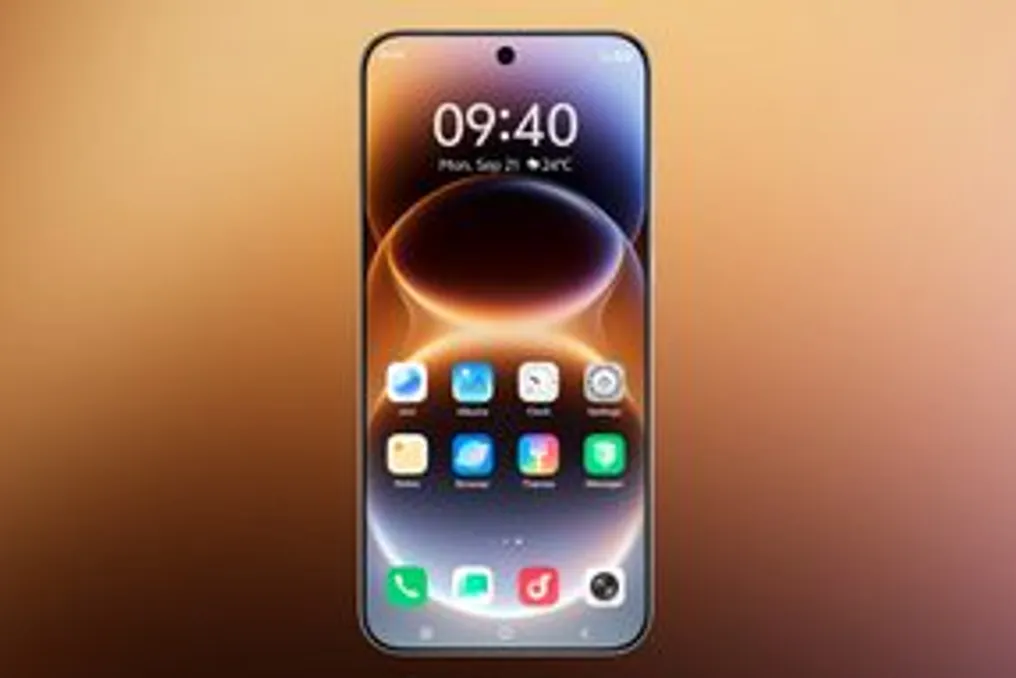
The phone manufacturer Jovi, which is part of the Chinese group Vivo Mobile, began making OriginOS 7 available in Brazilian territory this Thursday, October 29th. This new version of the operating system was introduced in devices belonging to the X300 line and incorporates several improvements, covering multitasking, integration with other equipment, customization options, and artificial intelligence features.
Initially, the update is being released for the Jovi X300 Ultra and Jovi X300 FE models. Although there are plans to extend this novelty to other brand phones in the coming weeks, a specific schedule has not yet been disclosed by the company. OriginOS 7 was presented globally during September and uses Android 17 as its base.
Jovi did not specify which other devices, besides the X300 line, will receive this update. In the Brazilian market, the Jovi X300 FE has a suggested price of R$ 7,999, while the Jovi X300 Ultra costs R$ 19,999. In Brazil, Jovi organizes its launches into four distinct lines: T, X, V, and Y, with the Y line potentially receiving a new high-capacity battery model soon.
One of the system's highlights is the Origin Work Platform, a feature that allows simultaneous use of up to five applications. While one application occupies most of the screen, the others can be displayed alongside or at the top, simplifying the transition between them. However, this function requires the device to have a minimum of 12 GB of RAM and depends on the compatibility of the applications used.
Furthermore, the system enhances communication with devices from other ecosystems through the Jovi Office Kit. This facilitates data and file transfer between computers running Windows, Mac, and iPads. On the smartphone interface, which shares many visual characteristics with iOS's Liquid Glass, new animations and customization options have been added for the home screen, lock screen, and Always-On Display. Visual features include touch or motion-responsive themes, collages, and interactive characters.
Artificial intelligence gained greater prominence in the operating system through an assistant called Jovi, which operates on both smartphones and computers, sharing the brand's name. The intention is to allow users to make requests from their mobile phones, even if the task involves files stored on the PC. For example, a user could ask for a spreadsheet on the computer, request a summary of key information, and receive the result directly on the smartphone.
Other capabilities include the ability to schedule repetitive tasks, such as organizing files or generating reports at predetermined times. There is also the Snap Note feature, which can identify content from whiteboards, notes, and presentations, converting this material into editable documents. In terms of performance, OriginOS 7 promises significant improvements; internal tests indicated a 10% decrease in the time required to open applications and an 11% decrease in switching between pages and apps, along with a 14% increase in rendering efficiency.

