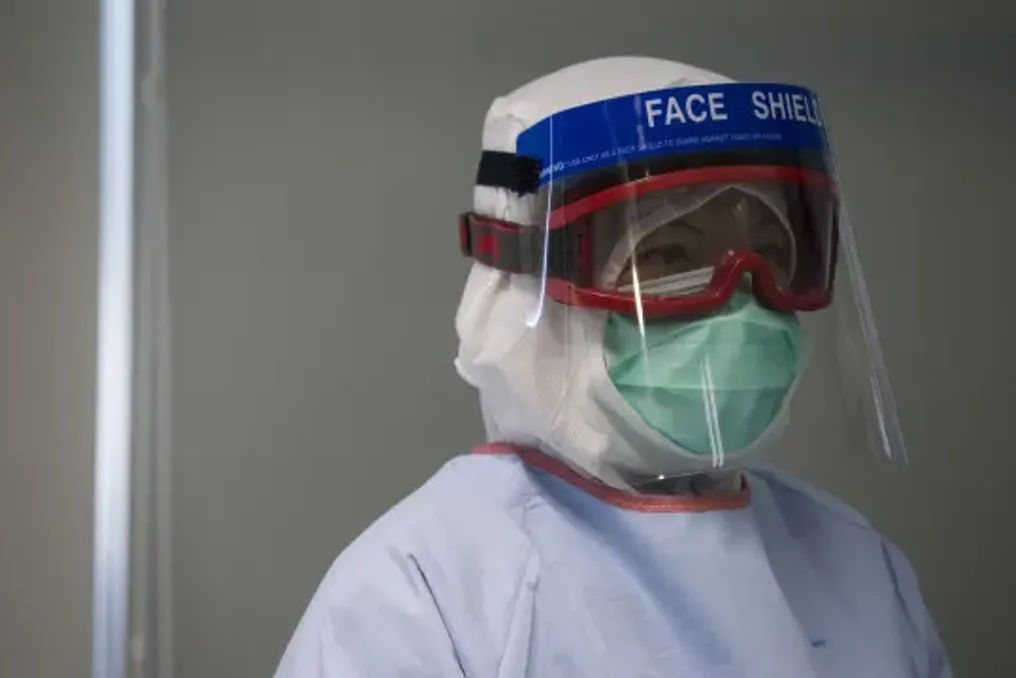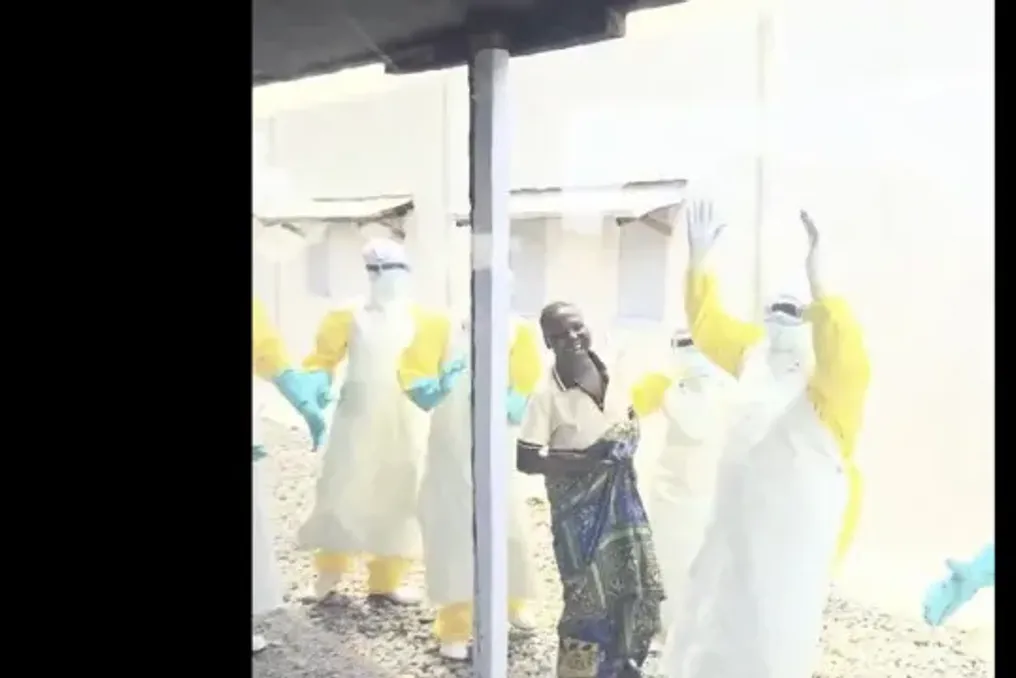
Health professionals in Mongbwalu, located in the northeast of the Democratic Republic of Congo, held a celebration after the discharge of the last patient hospitalized with Ebola. This event marked a significant victory against the local epidemic.
The team, which operates in a facility managed by Médecins Sans Frontières (MSF), began singing and dancing to commemorate the patient's recovery and return home. In a video shared on social media, the organization highlighted moments of great joy in Mongbwalu, in the Ituri province, following the discharge of the last confirmed case at the MSF treatment center.
Despite the celebration, an alert was issued stating that the epidemic is not yet under control, given that over ten thousand cases have been registered. Médecins Sans Frontières teams remain active in the area of operation.
Congolese authorities announced on Tuesday that the Ebola epidemic, declared on May 15 in the Democratic Republic of Congo, has surpassed the mark of ten thousand confirmed cases, including 4,887 deaths. A recent report from the DRC's National Institute of Public Health (INSP), based on data collected up to October 25, points to 10,060 confirmed cases, with a fatality rate of 48.6%.
According to the same document, 2,684 individuals recovered from the disease by that date, and the contact tracing rate reached 81.6%. The eastern provinces of Ituri and North Kivu are the most affected in the country, registering 32 and 58 new cases, respectively, in the last 24 hours.
In total, the epidemic affects eight of the 26 provinces of the DRC, including Ituri, North Kivu, Tshopo (north-central), Bas-Uélé (north), Haut-Uélé (northeast), South Kivu (east), South Ubangi (northwest), and North Ubangi (north).
This outbreak, classified as the second deadliest and most contagious in world history, surpassed what occurred in the same Congolese region between 2018 and 2020. However, it still falls short of the most severe episode recorded so far, which resulted in approximately 11,000 deaths and 28,000 infections in West Africa between 2014 and 2016.
The Bundibugyo strain, responsible for the current epidemic, has no known specific treatments. However, the World Health Organization (WHO) is developing two vaccines that entered Phase 1 clinical trials in humans and which, so far, have shown safety, although their development may take several months.
Additionally, the DRC implemented an Ebola immunization campaign at the end of August, using the Ervebo vaccine, which is the only one available on a large scale. Although originally created for the more common Zaire variant of the virus, this vaccine showed promising results against the Bundibugyo variant in animal tests.
The WHO also announced the start of a clinical study in the DRC last Friday to evaluate various candidate vaccines against this strain. The Ebola virus is transmitted through direct contact with the body fluids of infected people or animals and causes severe symptoms such as hemorrhagic fever, vomiting, diarrhea, and internal bleeding.