
The 'Green Space' project plays an important role in combating environmental problems in Uzbekistan. A 'smart' greenhouse has been launched in the Tashkent province, which will contribute to the high-quality cultivation of crops and environmental improvement through partnership with South Korea.
Similar stories
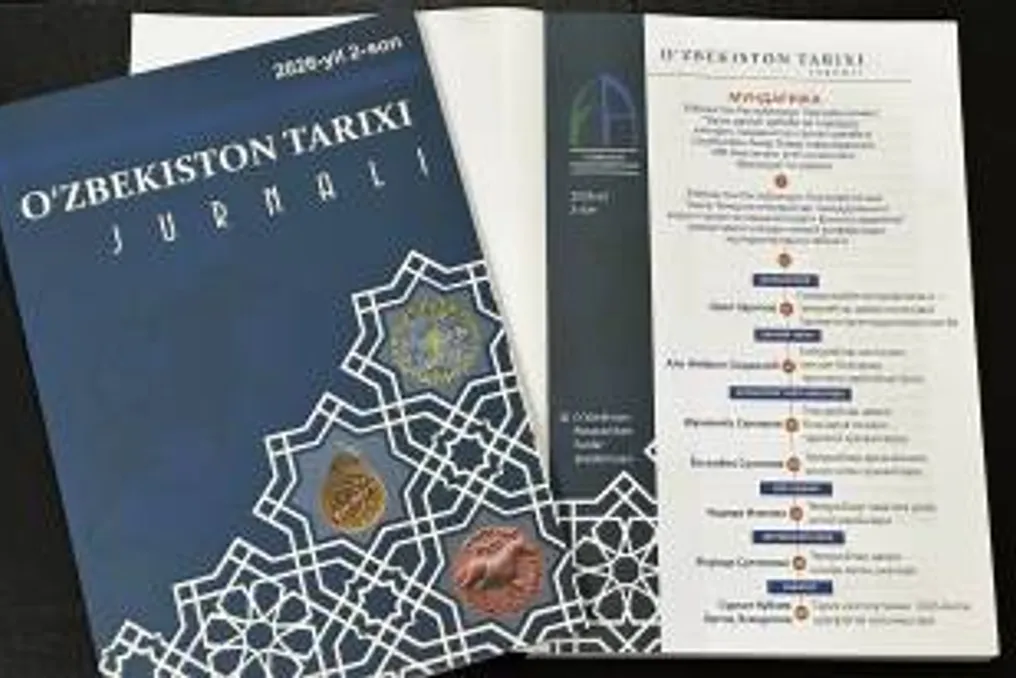
Scientific publications play a key role in studying the history of Uzbekistan and discovering new knowledge
Scientific publications occupy an indispensable place in the deep study of the history of Uzbekistan, the honest illumination of important stages of the national state's development, as well as in integrating historical sources into scientific practice and discovering unexplored pages.
In particular, research conducted based on historical documents, manuscripts, and archaeological findings enriches our understanding of the past and helps to more deeply understand the place of our national history in world civilization.
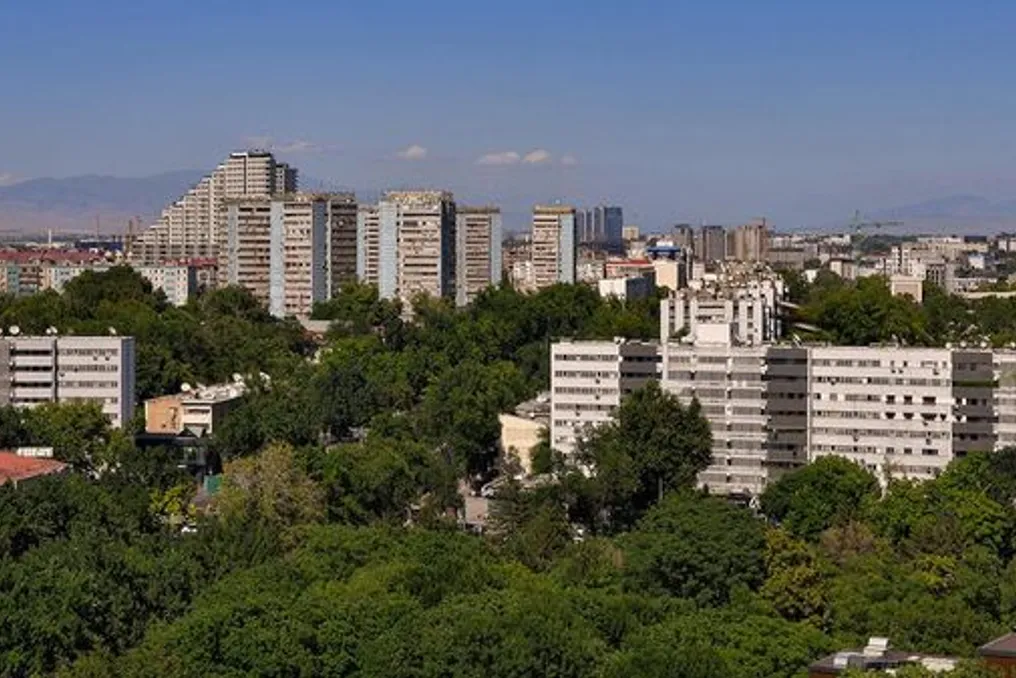
Tashkent among the list of polluted cities; air quality situation in regions
The city of Tashkent has ranked third globally in terms of air pollution. In some monitoring stations, the index reached 344 AQI. Furthermore, high levels of air pollution were also recorded in regions such as Karshi and Samarkand.
According to Sputnik data, on October 29 at 09:01, the capital of Uzbekistan ranked third in the IQAir international monitoring platform rating with an AQI of 183. At the time the data was provided, the air quality index for the capital was 188 AQI, but the pollution level was even higher in some areas. Specifically, a station near the 'Silk Road' metro station recorded 344 AQI.
Based on the AQI scale, the range of 151–200 is considered harmful to human health, while levels of 301 and above fall into the 'hazardous' category. In the ranking, Lahore, Pakistan (298 AQI) held first place, and Delhi, India (255 AQI) held second place. The capital of Kyrgyzstan, Bishkek, ranked fourth with 181 AQI.
According to IQAir platform data from the morning of October 29, high levels of air pollution were also observed in some regional centers of Uzbekistan. Karshi had an air quality index of 154 AQI, Bukhara had 139 AQI, and Samarkand had 109 AQI. In other cities, the indicators were relatively low, recording 96 in Navoi, 83 in Jizzakh, 58 in Urganch, 34 in Andijan, and 22 in Fergana.
Air pollution continues in other cities of Central Asia as well. For example, on the evening of October 28, the city of Almaty, Kazakhstan, ranked fifth in the list of most polluted major cities, with its air quality index reaching 164 AQI at 20:00, according to IQAir data.
According to data from the National Committee of Ecology and Climate Change of Uzbekistan, the deterioration of air quality is being observed simultaneously in a number of cities in Central Asia during the last days of October. Experts attribute this situation to the influence of anticyclones, reduced wind, lack of precipitation, and temperature inversion. Under such conditions, pollutants emitted from transport, industrial, and energy facilities accumulate in the lower layers of the atmosphere.
Compared to last year, there have also been instances of air pollution reaching higher levels in Tashkent in the autumn of 2025. Specifically, IQAir noted that on September 22, the air quality index in some monitoring stations of the capital exceeded 301 AQI. However, it is stated that the overall indicators for 2026 have improved compared to last year.

Event organized to protect children from all forms of violence in Uzbekistan
An educational event was held dedicated to the essence and content of the law aimed at protecting the rights and legitimate interests of children, preventing any forms of violence against them, and forming a negative attitude towards such cases in society.
During the event, the significance of the law 'On introducing additions and amendments to some legislative acts of the Republic of Uzbekistan in connection with improving the system for protecting children from all forms of violence' was explained.