By decision of Tashkent Mayor Shavkat Umurzakov, adopted on October 19, the city plans to establish small, multi-level microforests in mahallas, between residential buildings, as well as on the territory of schools and kindergartens. This decision also imposes restrictions on the use of land designated for green zones, requires the development of landscaping programs at the district level, and provides for the introduction of a digital tree accounting system.
Microforests will be created primarily on plots where there is a shortage of free land for traditional landscaping. Areas ranging from 200 to 1000 square meters will be enhanced with dense, multi-tiered planting, requiring no less than two seedlings of trees and shrubs per square meter.
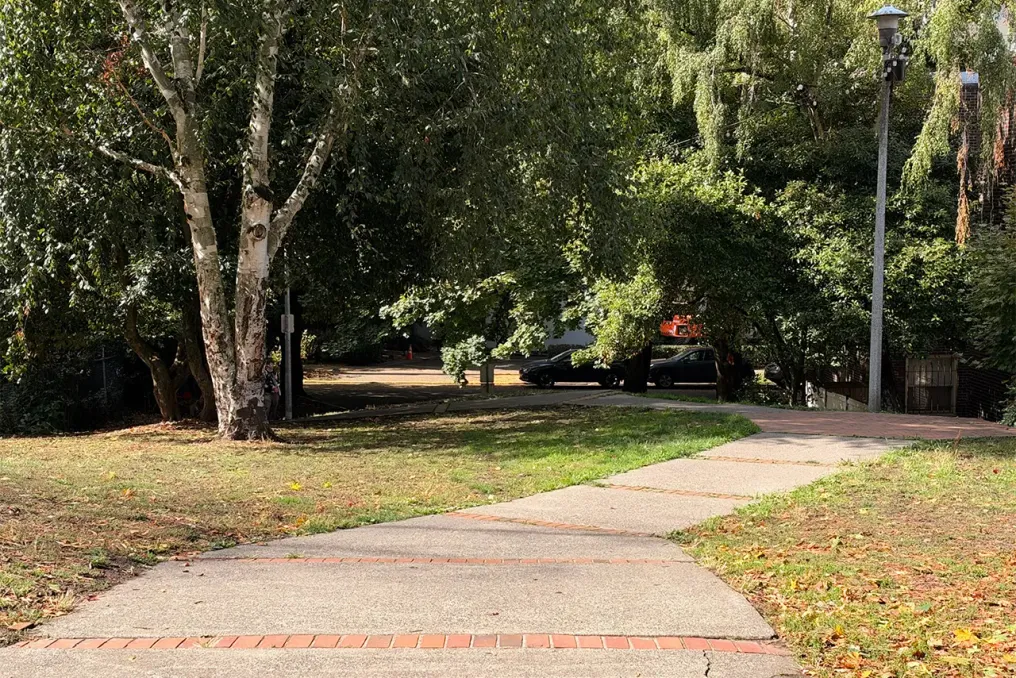
In places where land for green zones cannot be allocated, or if the plots are covered with asphalt or concrete, small public gardens will instead be organized, utilizing large containers for placing trees and shrubs.
Responsibility for implementing measures
The responsibility for carrying out these measures will be distributed among municipal institutions and local communities. District administrations and sponsors will be responsible for installing containers, while the Forestry Agency will ensure high-quality planting material. Mahallas will organize planting and subsequent maintenance with the participation of residents. Each garden will also have assigned staff responsible for watering, protecting containers, and maintaining greenery.
Protection of green areas from construction
According to the adopted decision, land intended for green gardens can be used exclusively for this purpose. It is forbidden to transfer it into the ownership of individuals or legal entities, build on it, use it for structures, or allocate it for other activities. Restricting public access to these territories is also prohibited.
Green gardens created by citizens' and organizations' initiative must be entered into a register and accounted for. Starting from January 1, 2027, the 'Yashil Lot' (Green Plot) system will allow private individuals and companies to obtain land under contractual terms for creating green gardens. District administrations, together with cadastral and environmental protection bodies, will determine suitable plots, organize the publication of notices, and conclude contracts.
Development of district landscaping programs
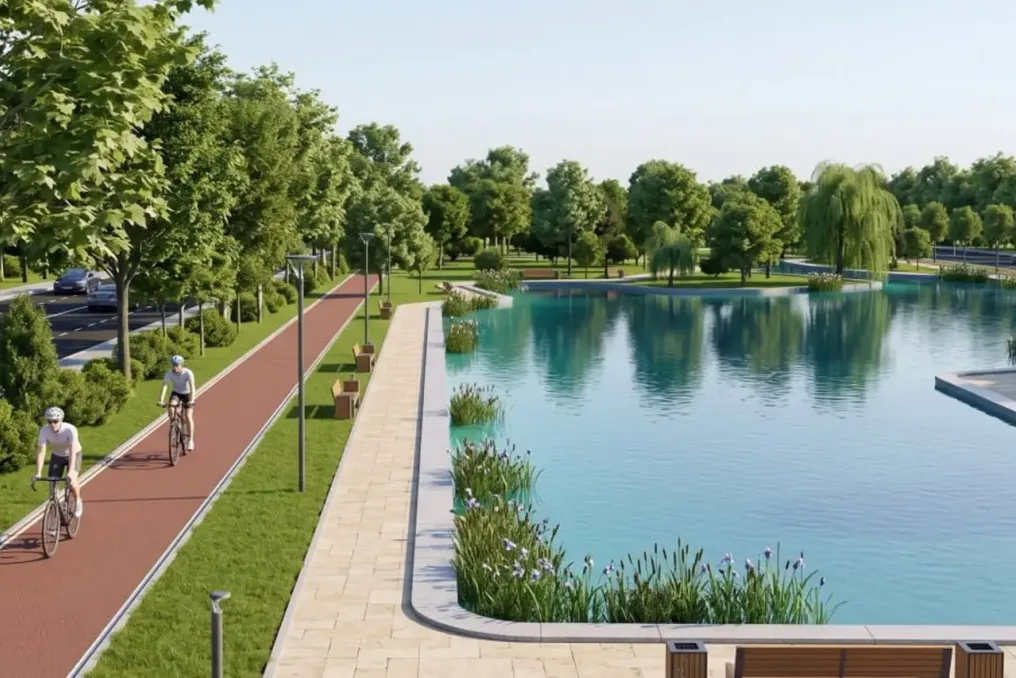
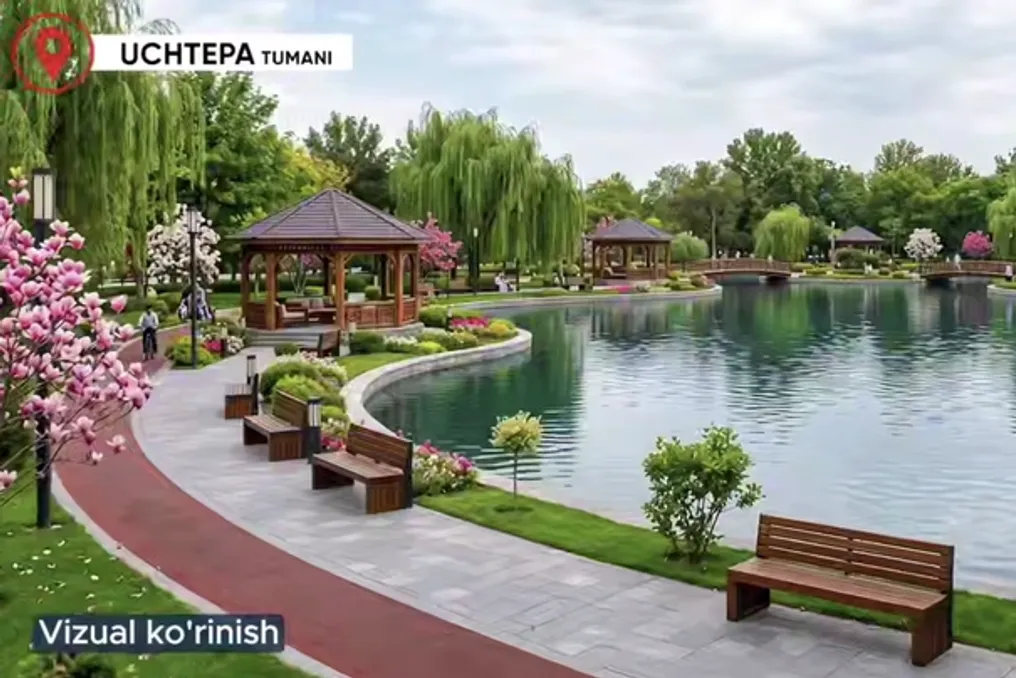
District landscaping programs must be prepared in Tashkent by November 1, 2026. From 2027 onwards, they must be developed annually by March 1. These programs must include specific projects for creating green gardens, developing shaded pedestrian streets and lakes, designing irrigation systems using rainwater, meltwater, and sewage, caring for trees, and establishing waste collection points. Each project must have defined funding, implementation deadlines, responsible executors, and expected results, after which they are approved by the district People's Councils.
In the Yangiha'ot district, the implementation of the green program must begin within three months. Funding will come from the State Target Fund for the resolution of national environmental problems. By the end of 2026, the placement of banners and electronic information boards at the entrances to mahallas is also planned, which will inform about the benefits of landscaping and the ecological indicators of the respective territories.
Digital tree accounting and autumn planting
The program for the period 2027–2036 includes the development of the 'Tree Balance' module on the Yashil Makon platform. This system is planned to launch by January 2028 and will record the location, species, age, and condition of each tree, its water source, as well as information about the persons responsible for its care.
The autumn planting season for trees and shrubs in the capital will begin on November 10, 2026. Before this date, city services are tasked with preparing planting sites, inspecting and repairing irrigation systems, treating the soil, and performing other necessary agricultural work.
Additional measures will be implemented as part of a two-month city-wide cleanup campaign that started on October 1. Authorities are obliged to clear irrigation ditches, canals, streets, public spaces, and areas around residential buildings of garbage, as well as prepare drainage systems for seasonal precipitation. Composting and mulching are also planned in botanical and dendrological gardens, forest areas, and large green zones. Each district of the capital must be equipped with at least one branch shredder.