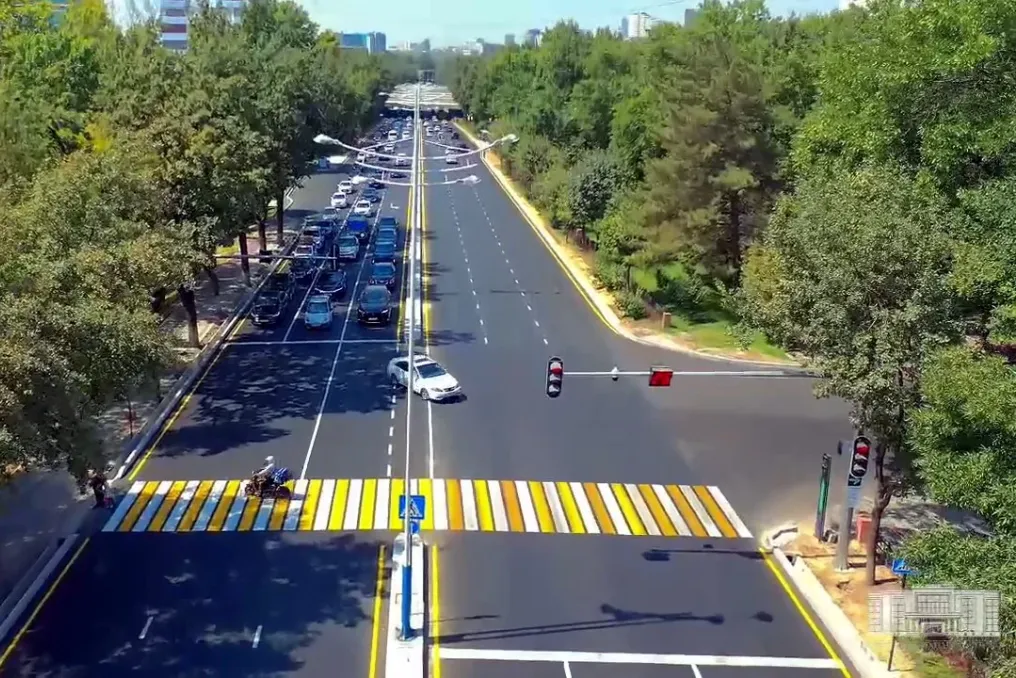
Uzbekistan intends to implement a 5-kilometer dedicated Bus Rapid Transit (BRT) corridor in Nukus by the end of 2027. This project is part of a broader strategy to modernize local passenger transport, scheduled until 2030.
This project is included in the presidential decree project that outlines the strategy for developing the country's local passenger transport. The BRT corridor will run along busy sections of E. Alakuz Street, starting from the intersection with Karakalpakstan Street and ending at the Chimbay Highway junction.
The project requires the development of a transport model, technical solutions, as well as design and cost assessment documentation. Funding is expected from grants provided by international financial institutions.
Responsibility for implementation is assigned to the Council of Ministers of the Republic of Karakalpakstan and the Ministry of Transport of Uzbekistan. The strategy project also provides for the creation of six transport hubs that will connect railway stations, airports, and bus terminals.
These facilities are planned for Tashkent, Samarkand, Bukhara, Urgench, Nukus, and Fergana. According to the implementation schedule, one hub should be operational in 2027, three in 2028, and four in 2029. All six facilities must be completed by 2030. Construction is planned to be financed through business contributions and the state budget.
Another important goal is to increase the share of electric buses in public transport fleets in Tashkent, Nukus, and regional administrative centers. This share is set to rise from 15% in 2025 to 30% by 2030. The strategy sets intermediate targets: 16% in 2026, 20% in 2027, 22% in 2028, and 25% in 2029.
To achieve these indicators, authorities plan to assess the demand for electric buses and charging infrastructure, and subsequently approve a procurement plan specific to each location. The document also notes that master plans for the development of transport and road infrastructure have already been prepared for Nukus, Tashkent, and all regional administrative centers. Expected outcomes of the strategy include expanding the network of transport corridors with dedicated BRT lanes and implementing intelligent transport systems.