
Federal financing program for ride-share drivers reaches one-third of initial goal
Read more
AutoPapo
autopapo.com.br

Federal financing program for ride-share drivers reaches one-third of initial goal

The Move Brasil, a government initiative aimed at facilitating vehicle acquisition for taxi drivers and ride-share drivers, has reached only one-third of its established goal. As of Monday, the 26th, 65.8 thousand vehicles have been financed, according to data provided by the National Bank for Economic and Social Development (BNDES).

At the time of its launch in May, BNDES president Aloizio Mercadante had projected the sale of at least 200 thousand cars. The total amount of credit approved and contracted sums up to R$ 6.9 billion, representing approximately 23% of the total limit of R$ 30 billion made available by the program.

The Ministry of Development, Industry, Trade and Services (Mdic) assesses the performance as positive. According to the ministry, the sales volume exceeds more than three times what the sector would buy in four months at the usual pace, which was estimated by the National Federation of Automobile Distribution at 4.4 thousand vehicles per month.

It is important to note that simple acceptance into the program does not guarantee the loan; after registration approval, the driver must seek a financial institution, which will analyze their history and repayment capacity.

Rogério Rodrigues da Silva, a 44-year-old driver interviewed by Folha de S.Paulo, chose to replace his rented vehicle with a financed one. He reported that the monthly cost remained similar, but the big advantage lies in finalizing the contract with an asset that can serve as a down payment for a future car.

On the other hand, Júnior Santana, 50 years old, prefers to maintain the rental model, costing about R$ 3,600 per month. He travels approximately 300 kilometers daily, and the lease agreement covers expenses such as maintenance, tires, and suspension.

Over time, the program has undergone important adjustments: in August, the maximum value limit for cars was raised from R$ 150 thousand to R$ 200 thousand, and the maximum amortization period became 84 months. In September, the program was transformed into permanent law, which resulted in the reduction of the minimum registration time required for ride-share drivers from 12 to 6 months.

The maximum interest rates established are 12.6% per year for men and 11.5% for women, values considered lower than those practiced in the market, according to the Mdic. Banco do Brasil, the largest participant, reported that 54% of the financing granted to taxi drivers and ride-share drivers was destined for electric vehicles.
Similar stories

Anatel faces financial difficulties and risks not paying for its own data center in Brasília
Read more
tecnoblog.net

Anatel faces financial difficulties and risks not paying for its own data center in Brasília

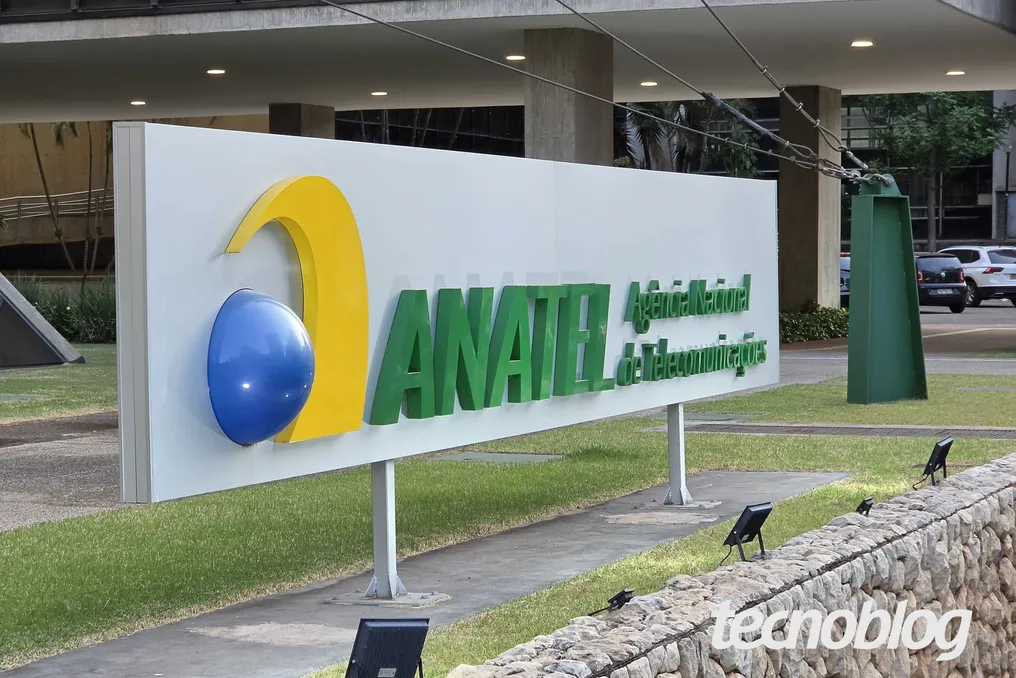
According to a report by the newspaper Folha de São Paulo published this Tuesday (03/11), Anatel is reportedly facing financial problems to cover the costs of its own data center located in Brasília.

The National Telecommunications Agency notified the Federal Government about the need for R$ 30.76 million to settle invoices related to this project.

Additionally, the agency is said to have a shortage of funds to cover basic operating expenses. President Carlos Baigorri approached the Ministry of Planning last week with the aim of requesting the release of R$ 30 million, but similar requests have not been accepted by the National Treasury at previous times, as reported by Folha.

Anatel justifies the lack of funds due to a block of R$ 51.83 million established in May. Furthermore, there has been a 19% decrease in the discretionary budget, which is allocated for both investments and operational costs.

The data center contract was signed in December 2025, with a total value of R$ 44.95 million, covering everything from necessary equipment to maintenance and warranty services. When contacted, Anatel did not comment on the values mentioned in the Folha investigation, but warned that the continuation of budgetary and financial limitations could force the adoption of new spending reorganization measures.

Funding allocated for HIV and foot-and-mouth disease control, but Road Accident Fund left without funds
Read more
iol.co.za

Funding allocated for HIV and foot-and-mouth disease control, but Road Accident Fund left without funds

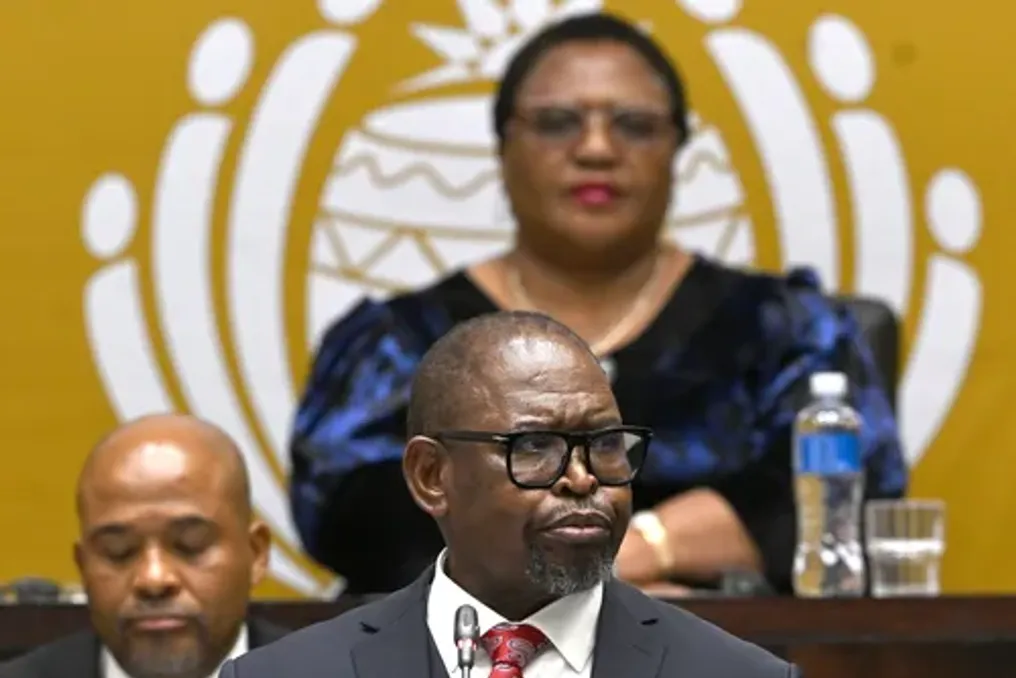
Finance Minister Enoch Godongwana has allocated 1.1 billion rand to programs combating HIV and foot-and-mouth disease; however, the Road Accident Fund (RAF) received no appropriations despite having outstanding claims amounting to 449 billion rand.

This information was presented by Godongwana during the Political Declaration on the Medium-Term Budget for 2026 on Wednesday. He stated that 556.7 million rand would be reallocated over the next three years to sustain HIV programs, due to the cessation of funding from the US President's Emergency Program.

These funds will supplement the 3.8 billion rand that were reallocated through the district health grant. Last year, the minister announced the allocation of 26 billion rand to provinces to strengthen HIV/AIDS programs, as well as the reallocation of 410 million rand from the Department of Health in the medium term to compensate for the withdrawal of grant funding by the United States.

Furthermore, it was announced that 20.5 billion rand would be allocated over three years to provinces equally to compensate for increased costs in health and education sectors.

Godongwana also stated that 606 million rand has been allocated to the Department of Agriculture to control foot-and-mouth disease through agricultural measures aimed at strengthening food security and biosecurity. He specified that 423.4 million rand would be reallocated within the Department of Agriculture in the 2026/27 financial year, and 183 million rand transferred from the previous financial year for vaccine implementation.

Nevertheless, the Political Declaration on the Medium-Term Budget provided no appropriations for the Road Accident Fund. The Auditor-General recently found that the fund's obligations for the 2025/26 financial year amounted to 439.49 billion rand, and no funds were earmarked to cover these debts.

The Road Accident Fund reported a decrease in outstanding claims from 304,530 in 2024/25 to 288,574 by March 2026, although the number of claims increased from 116,788 in 2024/25 to 133,903 in 2025/26.

When asked about the reason for the lack of direct allocation to the Road Accident Fund to cover its liabilities, Godongwana replied that 'the RAF is above my pay grade' and referred the matter to CEO Duncan Peters.

Peters stated that the National Treasury has appointed two teams of auditors to assess the RAF's liabilities and their long-term significance to the organization, with the results of the excess unemployment insurance fund's work expected by the end of the year. He added: 'We will receive a budget update next year.'

DA party's finance representative, Kingsley Wakelin, stated that his party demanded structural reform and a complete overhaul of the RAF. Wakelin emphasized that 'a sustainable perspective is the right way forward.'

Meanwhile, Transport Minister Barbara Crisi said her department excluded an increase in fuel levies. She noted: 'We believe first and foremost that the RAF must sort out its internal problems and bring its administration into order.'

Crisi also pointed to the need to change the definition of benefits so that all applicants can receive equal payments regardless of circumstances or legal representation. She stated: 'We want to move to a 'no-fault' system. We believe that the RAF spends too much on lawyers,' adding that the RAF has a history of growing contingent liabilities, inability to handle case backlogs, and a culture of not defending cases. She concluded: 'We need a period to deal with historical cases accumulated in the backlog.'

Popular