With the increasing use of mobile devices and laptops, there is a rise in vision problems among children and young people. Common complaints include the need for glasses at an early age, blurred distance vision, and dry eyes. This raises the question of whether screen viewing causes vision deterioration or if other factors are responsible.
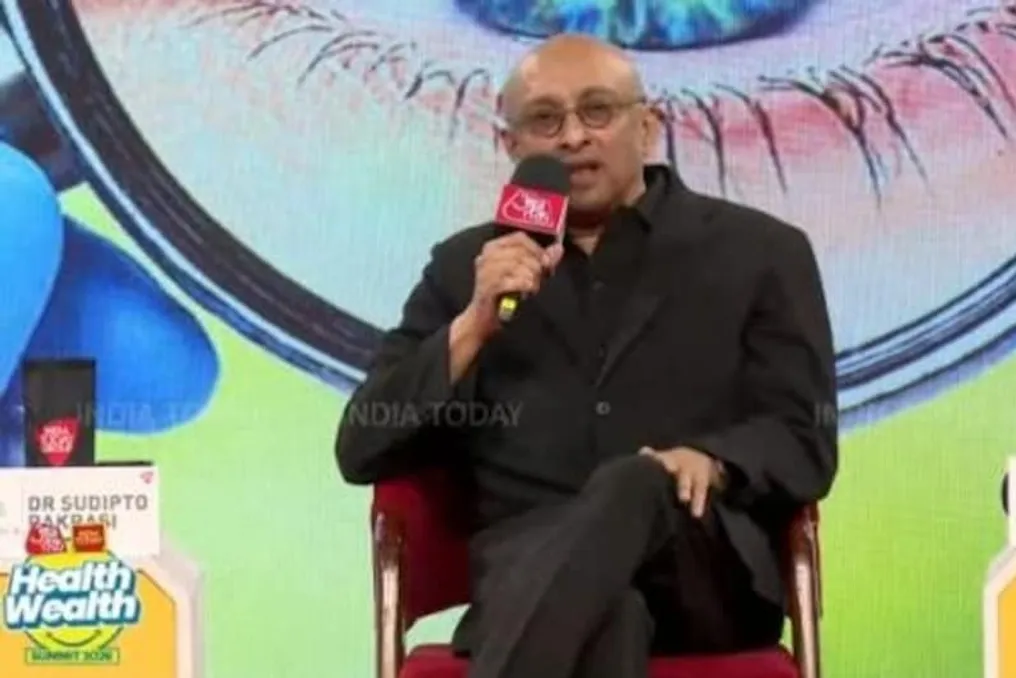
At the Healthwealth Summit in Medan, in the ophthalmology department, Dr. Sudipto Pakrasi, the chairman, commented on this situation. He noted significant technological progress in eye surgery over the past decades. Thanks to the use of minimally invasive methods, such as small incisions, phacoemulsification, and modern lenses, patients' ability to recover and see after cataract operations has improved.
Nevertheless, despite technical progress, new vision problems are emerging, particularly myopia and dry eye syndrome, which are now observed in children. One of the contributing factors is the increased use of screens.
Myopia, or nearsightedness, means that a person can see objects clearly up close, but distant objects appear blurry. This usually happens because the structure of the cornea and the eye's lens focuses light in front of the retina instead of on it. Although genetic factors play a role in the development of myopia in children, lifestyle factors also have a significant impact. Risks are associated with prolonged reading or using mobile devices at close range, as well as insufficient time spent outdoors.
Dr. Sudipto Pakrasi emphasized that eye health is affected not only by screen radiation but also by the way we look at the screen itself. Excessive closeness to the screen negatively affects eye condition. During prolonged continuous screen viewing, the blinking rate decreases, leading to reduced moisture on the eye surface. This can cause irritation, dryness, blurred vision, and headaches. To reduce the risk of developing myopia, it is recommended to keep the screen at least an arm's length away. It is also important to monitor lighting: reading books, watching videos, or working on a laptop in low light conditions creates additional strain on the pupils, increasing the likelihood of myopia.
The following measures are suggested to protect the eyes: follow the 20-20-20 rule (every 20 minutes, look at an object about 20 feet away for 20 seconds); maintain distance from the screen, keeping a mobile phone at least 30 centimeters away and a computer about an arm's length away; increase the time children spend outdoors by at least 1-2 hours per day; and take regular breaks while viewing screens to allow the eyes to rest, rather than looking continuously.