Franchising holds a significant share of South Africa's formal business activity. Industry estimates suggest this sector approaches 1 trillion rand, with over 800 systems supporting tens of thousands of sales points and employing hundreds of thousands of people. The most common sectors are fast-food restaurants, followed by retail, education, logistics, and coffee concepts. This model continues to attract entrepreneurs looking to enter business, although capital requirements, the need for due diligence, and regulatory obligations remain substantial.
Typical Investment Process
Prospective franchisees usually begin by assessing their personal suitability and alignment with the chosen sector. Professional associations, such as the Franchise Association of South Africa (FASA), provide self-assessment tools and maintain catalogs of accredited systems. Following preliminary screening, direct contact is made with franchisors to request official disclosure packages.
According to the Consumer Protection Act, franchisors are obliged to provide potential franchisees with a written disclosure document no later than 14 days before signing the franchise agreement. Standard vetting steps include interviews with current and former operators, site visits, and independent legal and financial audits. Most recognized brands require applicants to demonstrate that 40–50% of the total investment amount is available in unencumbered cash.
Approval processes are conducted concurrently for the individual, the proposed location, and the financial plan. Training programs, which can last from several weeks to several months, are a standard prerequisite before opening.
Investment Levels in Franchises by Category
The cost varies depending on the store format, location, fit-out specifications, and whether the opportunity is to open a new unit or acquire an existing one. Industry catalogs and franchisor materials list the following approximate ranges. These amounts typically cover the initial franchise fee, construction or equipment, starting inventory, training, deposits, technology systems, and initial working capital. Monthly royalties and marketing fees are additional and are usually calculated as a percentage of turnover.
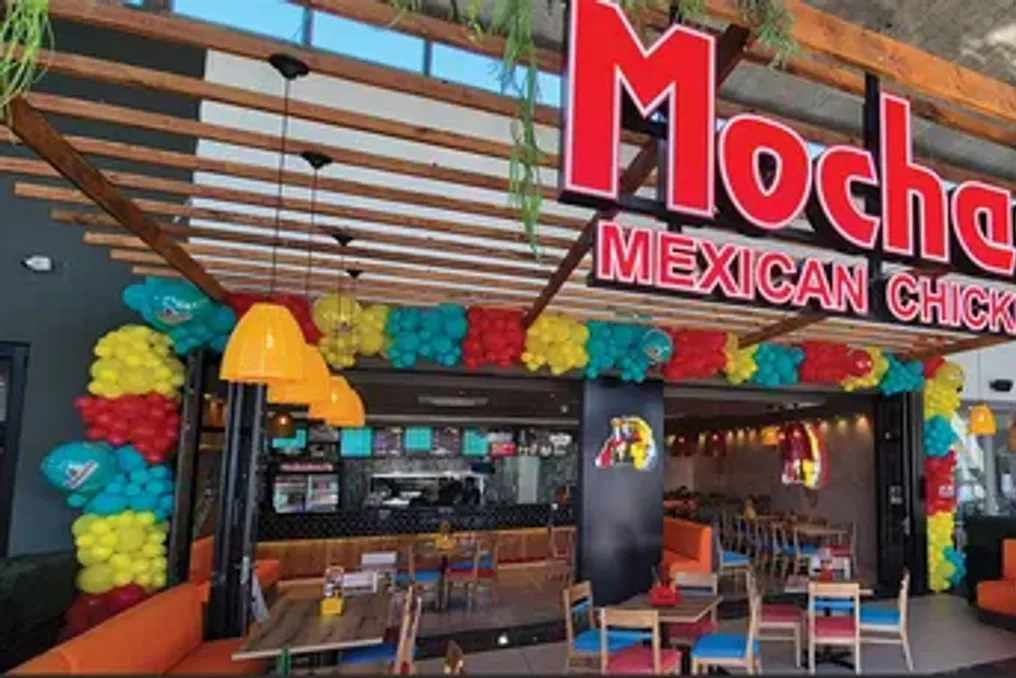
In the fast-food and quick-service restaurant segment, for example, KFC outlets typically require over 6 million rand, with new franchises being strictly limited, and most opportunities arising through the sale of existing stores. Chicken Licken quotes franchise fees around 180,000 rand, with total investments ranging from 4.8 million rand for linear formats to 6.8 million rand for drive-thru locations. McDonald’s lists registration fees of about 37,500 rand and franchise fees of 250,000 rand, with the total investment varying approximately from 2.8 million to 6.7 million rand depending on the configuration. Nando’s requires about 285,000–290,000 rand for registration and franchise, with total project costs between 5.25 million and 7 million rand. Steers, part of the Famous Brands group, shows franchise fees from 68,000 to 130,000 rand and total investments from 1.95 million to 3.75 million rand. Debonairs Pizza, also part of Famous Brands, offers formats from container solutions costing around 1.5 million rand to standard and mall locations for 2.05–2.4 million rand, with initial fees from 50,000 to 68,000 rand. Romans Pizza has a franchise fee of nearly 90,000 rand and a total cost of about 2.3 million rand. Fish & Chip Co opportunities start at approximately 599,000–650,000 rand. Galito’s reports entry fees of about 130,000 rand and setup costs of about 2 million rand. RocoMamas indicates franchise fees of 145,000 rand and a total amount of about 4.5 million rand. Wimpy investments range from 1.75 million to 2.4 million rand. Simply Asia requires 900,000 to 1.3 million rand after paying a franchise fee of 100,000 rand. Mochachos, known for its Mexican chicken, reports an initial franchise fee of 199,000 rand and a total investment level of 1.9 to 2.5 million rand, depending on the size and condition of the premises.
Coffee Shops and Cafes
Investments in Vida e Caffè range from 950,000 to 1.4 million rand, including a franchise fee of about 150,000 rand. Mugg & Bean restaurants require approximately 3.7 million rand, while On the Move formats cost from 1.3 to 1.6 million rand, with franchise fees from 45,000 to 95,000 rand. Bootlegger Coffee Company reports franchise fees of 120,000 rand and total project costs from 2 to 3 million rand.
In the education, logistics, and other service sectors, Kumon educational centers require investments from 60,000 to 100,000 rand. Fastway Couriers territories start at approximately 50,000 rand. Battery Centre automotive points have franchise fees of about 150,000 rand and setup costs of about 500,000 rand plus working capital. Cash Converters retail stores start at approximately 3.5 million rand. More accessible formats—mobile, kiosks, and service services—continue to appear in catalogs like whichfranchise.co.za, some costing less than 500,000 rand. Contact channels for most brands are via official websites or FASA and whichfranchise catalogs.
Potential Funding Routes for Franchisees
Franchising departments at banks such as Absa, Standard Bank, FNB, and Nedbank remain primary sources of debt financing. These divisions typically require franchisor approval, a detailed business plan, cash flow forecasts, and confirmation of the required equity contribution. Another major channel is development institutions. SEDFA provides funds to cover setup, equipment, and working capital expenses, with limits up to 15 million rand and a specialized focus on FASA-developed franchisees. The National Empowerment Fund supports applicants who are Black or have received Black support (minimum 50.1% Black ownership), providing loans up to 10 million rand, structured according to the franchise term and interest rates tied to the base rate. Business Partners and Masisizane Fund offer additional options for structured financing. Occasionally, private angel investors and, for large multi-site deals, private equity participate in projects. Some franchisors offer limited internal funding or payment plans for the initial deposit. Real grants for retail and service franchises remain rare. Typical application timelines can stretch to three to six months, emphasizing the importance of early preparation.
Regulatory Framework, Taxes, and Compliance Obligations
South Africa lacks a dedicated franchising law. Main rules are established by the Consumer Protection Act 68 of 2008. Contracts must be drafted in plain language, and franchisors are required to provide a disclosure document covering financial history, litigation, contacts of current franchisees, and investment details no later than 14 days before signing. A ten-day cooling-off period applies. The law also restricts unfair terms and requires clear disclosure of fees, territories, and supply obligations.
Additional legislation includes the Companies Act for the formation and management of legal entities, the Competition Act regarding restrictive practices, and a full set of labour laws. Specific industry requirements relate to food safety, municipal trading licenses, and sanitary standards. Issues of broad economic empowerment of the black population influence access to certain funding products and corporate procurement opportunities. Taxation adheres to standard company rules. Corporate income tax is 27%. Value Added Tax (VAT) of 15% becomes mandatory once taxable supplies exceed 2.3 million rand within any 12-month period; voluntary registration is available from a threshold of 120,000 rand. Employers are required to register for PAYE, Unemployment Insurance Fund contributions, and skills development levies. Annual CIPC reports and beneficial ownership disclosures are mandatory. A clean tax compliance status is regularly required for funding applications and official tenders.
Thus, franchising investments in South Africa combine the advantages of recognized brands and operational systems with substantial requirements for capital, thorough vetting, and regulatory compliance. Figures and availability change depending on market conditions, so current disclosure documents and direct interaction with the franchisor remain authoritative sources for any specific opportunity.