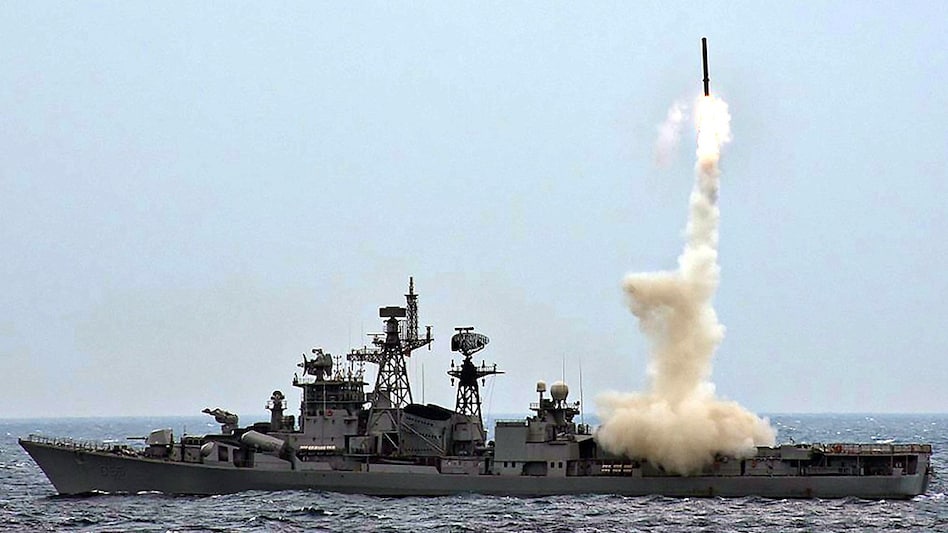
The joint BrahMos missile, developed by India and Russia, is preparing for modernization to become even more effective. The Defence Research and Development Organisation (DRDO) is actively working to increase its range from the current 450 kilometers to 800 kilometers. This extended-range version will significantly enhance India's naval and land defense capabilities.
The modernized Ramjet engines and other technological improvements will first be tested internally. Development trials are then scheduled for mid or late 2027. All tests are expected to conclude by the end of 2027 or early 2028, after which the focus will shift to production for Indian needs.
BrahMos is a supersonic cruise missile that operates on a Ramjet engine. Changes are being made to the engine to increase the range by improving fuel efficiency and allowing the missile to cover greater distances. Meanwhile, the launch systems and auxiliary systems will remain unchanged, meaning that Indian Navy vessels will not require significant upgrades.
The new version is easily mountable on ships. Scientifically, the Ramjet engine draws oxygen from the air, which reduces fuel consumption and increases flight range. The upgraded BrahMos may also include weight control systems, navigation systems, and an increased warhead.
India will continue to produce the 290-kilometer range version for export, which complies with the rules of the Missile Technology Control Regime (MTCR). The longer-range version is primarily intended for the Indian armed forces, giving it the ability to strike targets far from enemy borders.
At sea, this missile will be able to hit enemy vessels from afar, and on land, it will simplify access to strategic objectives. Cooperation with Russia will continue, ensuring technology exchange. This step is important for regional security as it will strengthen India's deterrent potential.
Following successful ground tests, flight tests will commence to verify accuracy, speed, and range. If everything goes according to plan, production could begin in 2028. Although technical complexity and budget management may present challenges, previous DRDO experience will help overcome them. Overall, this project will advance India's self-reliance and modern defense preparedness, benefiting the Indian Navy, Army, and Air Force.