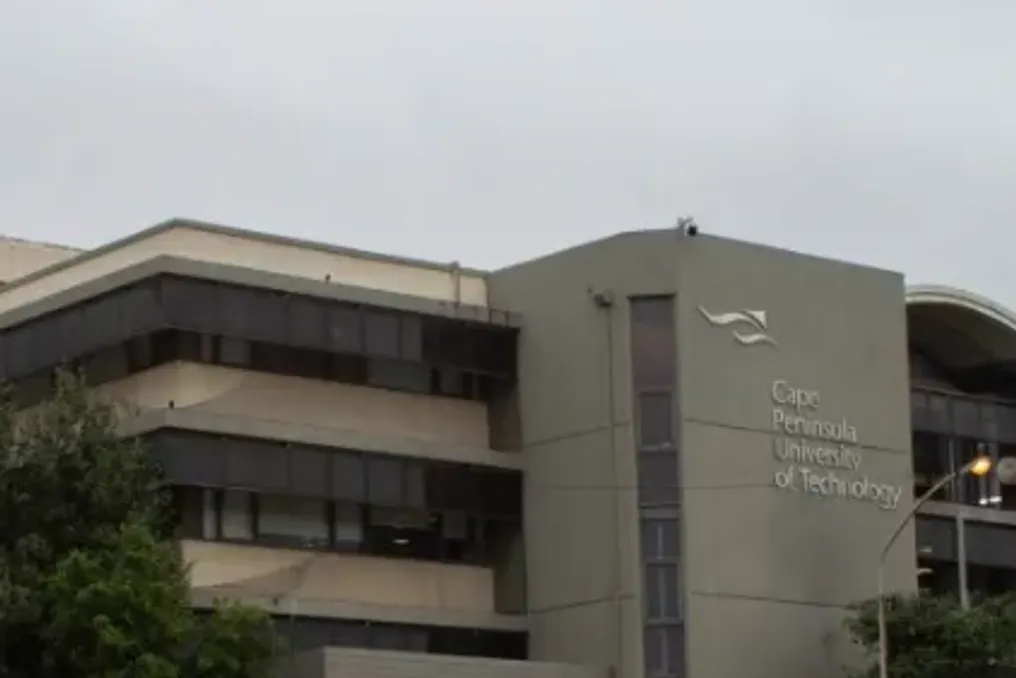
Many students receiving funding from NSFAS at the Cape Peninsula University of Technology (CPUT) will receive their last meal allowance on Friday, October 30, 2026, even though the university's academic calendar has been extended until December 21.
The payment of R1716 is reportedly intended to cover food and other necessities for some, if not most, students until the end of the calendar year, as no additional financial support was planned for these two weeks.
Students note that this temporary gap is particularly noticeable when planning travel home. They usually spend their last funds on bus tickets for the holidays, as exams conclude at the end of November, after which they leave.
CPUT administration announced the revised calendar on September 4, after the university lost about three weeks of teaching due to the suspension of classes. According to the plan, teaching was extended by two weeks, and resits were postponed to January 2027.
Private Accommodation May Not Cover December Exams
Disruptions in studies followed weeks of protests related to student debt load, registration fees, accommodation charges, dormitory conditions, and the withholding of academic transcripts. Later, the university closed its campuses and required students to vacate dormitories following an escalation of violence.
Tapelo Lekalakala, a second-year engineering student at the Bellville campus, has an exam schedule running until December 7, 2026. She lives in private accommodation. She told IOL Media: 'It will be difficult and hard. Especially for some of us who don't have relatives at home they can rely on financially.'
Lekalakala added: 'We only get R1700, and that's only while we are here. Imagine if we still have to buy a ticket to go home.'
Lekalakala clarified that NSFAS covered private accommodation from the beginning of the year until the last day of November, leaving a gap from December 1st to 7th. She emphasized: 'They won't just let us stay,' and 'This is a lot, and we don't know what the plan is, especially when it comes to staying in these extra days in December.'
Nosifo Ngcobo, a second-year public administration student at the Cape Town campus from KwaZulu-Natal, said she would have to stretch her money. She stated: 'I will prioritize food and other necessities, trying to save enough money to go home after exams. However, I am not sure if I will have enough left because there might be unforeseen expenses.'
She also noted that she cannot fully rely on her family because 'my family might not be able to help me comfortably because they also have their own financial obligations.' She added that 'the situation could also cause stress and hinder concentration on studies.'
CPUT Reports Dormitory Access Restrictions During Holidays
Regarding dormitories, she mentioned that students were informed of the extension. 'We were told that the dormitories would extend our stay, so we must vacate them by December 21. I think we received emails.'
A CPUT representative, Lauren Kansley, told IOL Media: 'The issue of the extended academic plan and its potential financial impact on students is under review by management.'
Concerning housing, she explained: 'Only students undertaking modules with practical training are allowed to stay in the dormitory during the holiday break.' Kansley specified that this arrangement 'is approved by the relevant faculties and does not involve a large number of students.'
She also added that 'December break is a critical period in the institutional calendar as we move to dormitories for intensive maintenance and deep cleaning.'
When IOL Media contacted them for comment, NSFAS requested additional time to respond.