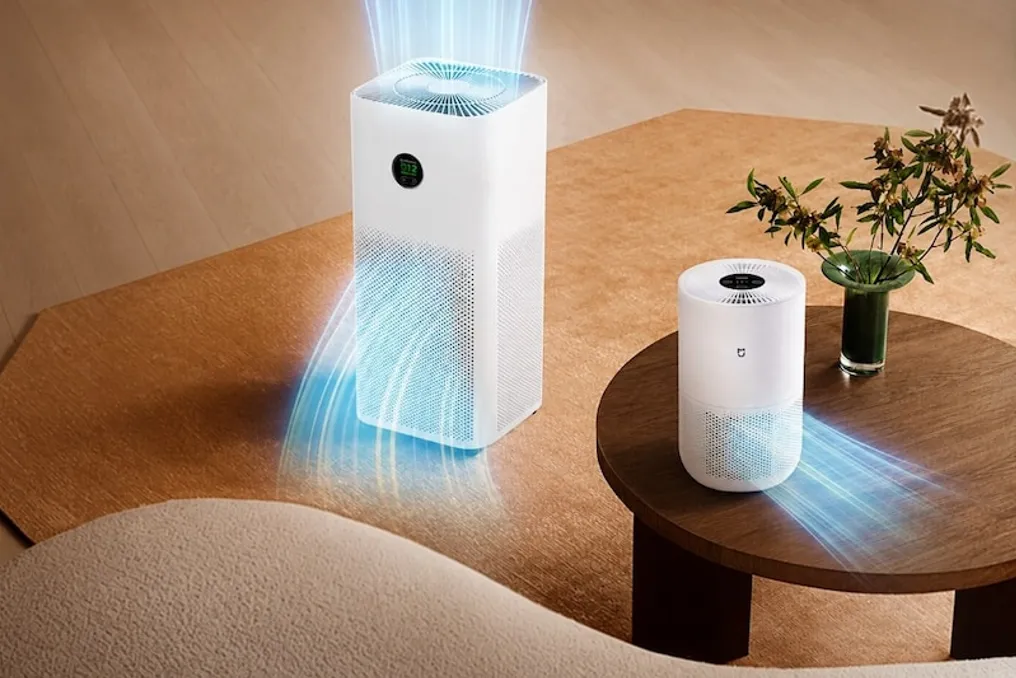
Due to rising levels of air pollution in various regions of the country, including Delhi-NCR, many people have started using air purifiers in their homes. This raises the question of whether such devices truly clean indoor air and how one can verify their functionality.
From a medical perspective, relying solely on the readings and figures displayed on the machine is insufficient to determine the complete cleanliness of the room's air. Several additional factors must be considered to make correct decisions.
The doctor explains how pollution affects the body. Fine particles present in polluted air can penetrate deep into the lungs through the respiratory tract. Prolonged exposure to these particles can lead to the exacerbation of breathing problems and negatively affect the cardiovascular system. Children, the elderly, and patients with asthma are particularly vulnerable to pollution, making air purity maintenance extremely important.
Dr. Rajesh Kumar Gupta, Director of the Department of Respiratory Medicine and Pulmonology at Yashoda Medicity Hospital, advised that the most reliable way to test the purifier's operation is by using a verified PM2.5 monitor. One must first record the pollution level in the room with the purifier turned off, and then measure it again after some time has passed since the machine was turned on. If a sustained decrease in indicators is observed during the second measurement, this indicates effective device operation.
Dr. Rajesh also emphasizes that simply purchasing a purifier is not enough; it is critically important to monitor its proper use. One should choose a model with an appropriate capacity corresponding to the room size, as well as regularly check and timely replace the filters. If the filter becomes contaminated or if polluted external air constantly enters the room, the purifier's efficiency will significantly decrease.
It is important not to view an air purifier as the sole means of protection against pollution. One must avoid any sources of smoke inside the home and keep windows and doors closed during periods of increased pollution. If symptoms such as shortness of breath, coughing, or wheezing appear, one should immediately seek medical consultation.