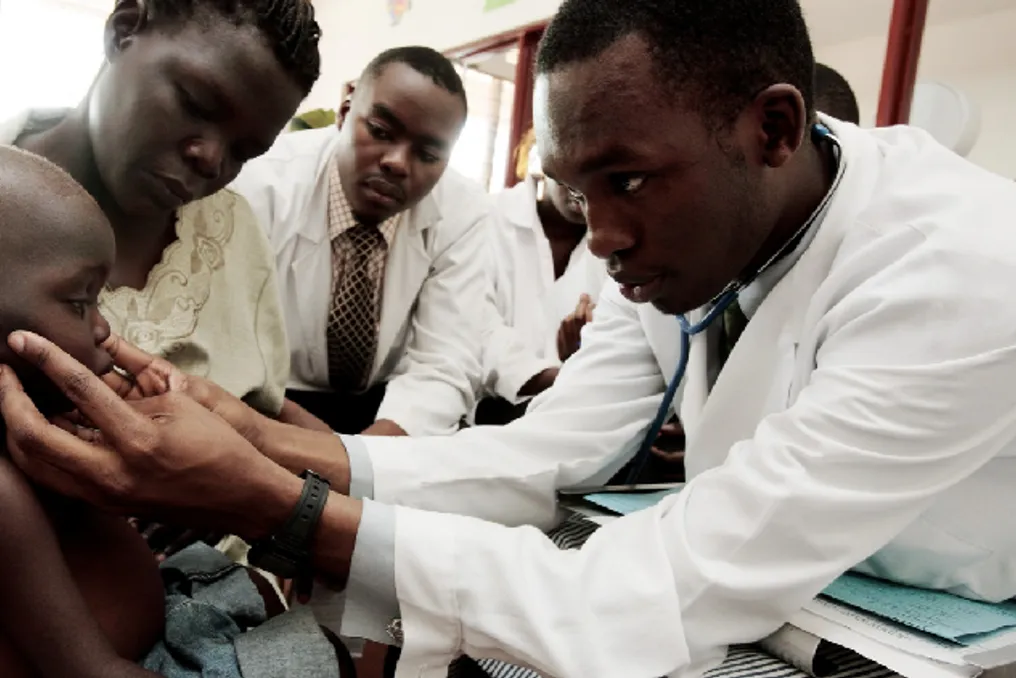
Climate change is transforming the healthcare system in Africa: rising temperatures, unpredictable rainfall, droughts, and floods are worsening food insecurity, increasing the threat of infectious diseases, and placing additional strain on already fragile healthcare systems.
These negative consequences are felt most acutely by vulnerable communities, highlighting the critical importance of taking action to combat climate change and build resilient healthcare systems to secure the continent's future.
John Wafuula, a humanitarian specialist at the United Nations Population Fund (UNFPA) in Kenya, notes that the impact of climate change goes beyond mere environmental damage, disproportionately affecting vulnerable groups and limiting their access to essential medical care and support.
In many African countries, households depend on rain-fed agriculture for sustenance and income. When climate shocks lead to crop failure, livestock loss, and other productive asset destruction, families can lose years of hard labor, deepening poverty and leaving them uncertain about their future.
Climate variability also exacerbates existing public health challenges. Floods can contaminate water sources and raise the risk of waterborne diseases, while drought reduces access to safe water and jeopardizes sanitation and hygiene. Furthermore, changes in temperature and precipitation can influence the spread of disease burdens across the continent.
The World Health Organization (WHO) predicts that by 2030–2050, climate change could cause an additional 250,000 deaths annually due to malnutrition, malaria, diarrheal diseases, and heat stress.
Women and vulnerable groups face growing risks
However, the impact of climate change is not distributed evenly. Women and girls, the elderly, people with disabilities, refugees, and other displaced groups may face additional barriers to accessing basic services and support.
Wafuula points out that livelihood destruction can force some women into dangerous survival methods, including sex work, which increases their vulnerability to exploitation, violence, and health risks. He adds: 'Such circumstances can exacerbate psychological distress, especially when protection and health services are unavailable.'
Across Africa, prolonged droughts compel women and girls to travel long distances in search of water, increasing their vulnerability to security threats and potential violence. According to a 2025 World Bank report on women and climate adaptation, women face several barriers to adopting climate-resilient agriculture, including unstable land rights, limited access to climate information, and increased risk aversion due to economic vulnerability.
Limited access to information also contributes to low uptake of weather insurance, while their susceptibility to risks, including fertility and childcare-related health issues, further complicates this situation. Domestic responsibilities also restrict their participation in non-farm activities, narrowing opportunities for income diversification and migration in response to climate shocks.
Climate change is intensifying displacement
Moreover, environmental pressures often intersect with conflict, instability, and poverty, forcing families across Africa to leave their homes in search of safety and livelihoods. This creates another vulnerable group—people displaced by climate shocks and their cumulative effects.
Wafuula asserts that climate change has contributed to the movement of people seeking refuge in Kenya, particularly in the Dadaab and Kakuma refugee camps in northern Kenya. He explains: 'Most of the population arriving in the Dadaab and Kakuma refugee camps over the past five years is a result of climate change in their respective countries. Food insecurity, limited access to healthcare, and heightened protection risks force many to leave their homelands and move to Kenya as climate refugees.'
Wafuula adds that between 2021 and 2025, the number of refugees in the Dadaab and Kakuma camps in northern Kenya significantly increased. According to UNHCR Portal data, there were 879,452 refugees and asylum seekers in Kenya as of September 30, 2026.
These displacement trends reflect broader climate challenges in the region. Climate change has long been viewed primarily as an environmental issue, but its consequences extend to the social, psychological, and economic aspects of people's lives, undermining their sense of security, dignity, and control over their own lives.
Considering climate change solely as an environmental problem risks ignoring its far-reaching consequences for health, protection, and access to basic services across the region. Wafuula insists on a paradigm shift, recognizing climate change as a human rights issue and placing health at the center of climate adaptation planning.
Strengthening health systems through data and climate finance
Effective climate preparedness depends on reliable data to identify vulnerable groups, map health infrastructure, and forecast emerging risks. In the region, governments collaborate with international partners under climate data initiatives.
Nevertheless, insufficient investment in collecting and coordinating domestic data threatens to weaken early warning systems and delay emergency responses. Wafuula emphasizes the importance of data-driven preparedness to strengthen climate risk response. He stated: 'Governments need interoperable information systems that integrate demographic, health, environmental, and population displacement data. Predictive analytics can help authorities identify high-risk groups, pre-position medicines, and allocate resources before climate hazards escalate into disasters.'
In 2023, Kenya hosted the Africa Climate Summit and Africa Climate Week, creating opportunities to advance continental climate action. The Nairobi Declaration called for increased international support and climate finance to address Africa's challenges. While international climate finance, including support through the Green Climate Fund, offers opportunities to strengthen adaptation, Africa has yet to fully translate these commitments into practical health protection measures.
The WHO warns that areas with weak health infrastructure, especially in developing countries, will be least prepared to cope with climate health risks without support for preparing for and responding to these challenges.