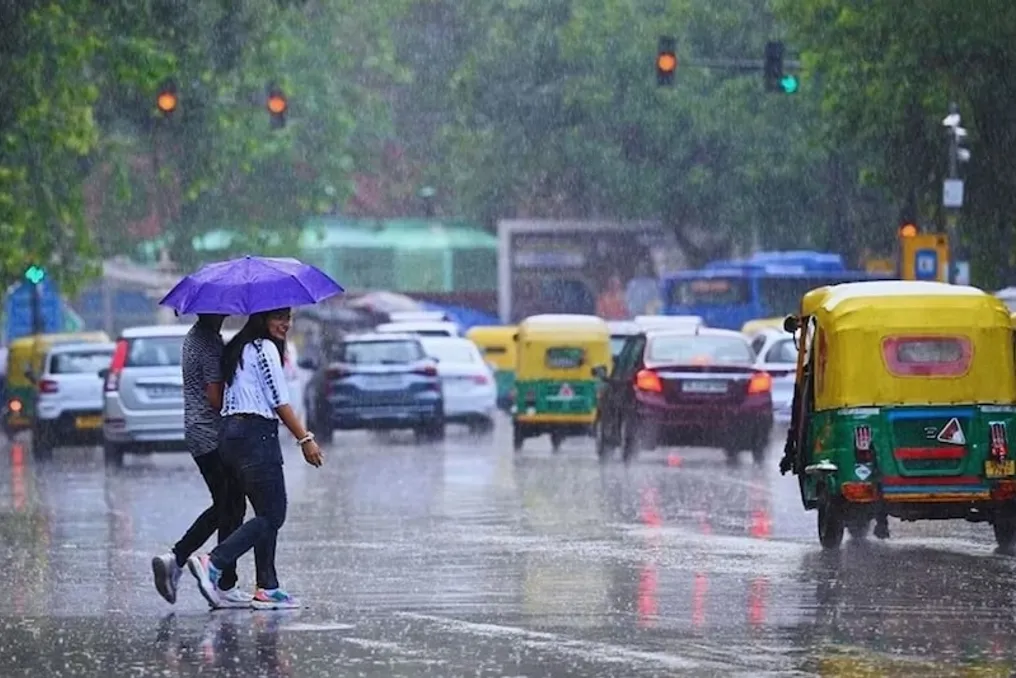
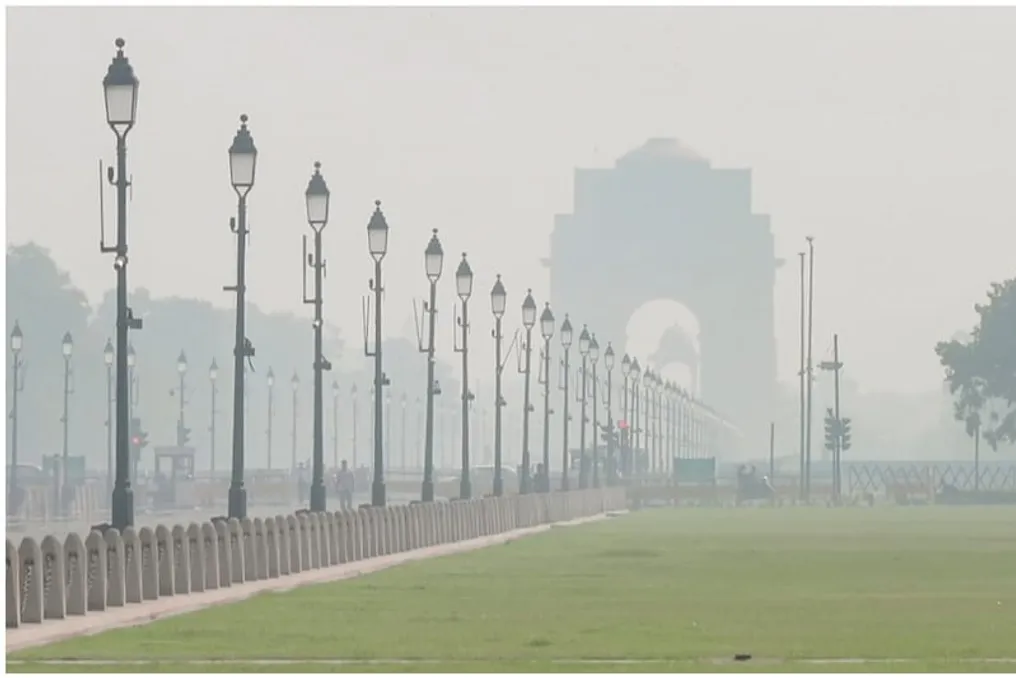
Air pollution levels have begun to rise in Delhi-NCR against the backdrop of approaching cold weather. In the capital, despite sunny days and dropping night temperatures, the air reached poor quality for the first time this season on Wednesday. Simultaneously, due to the low-pressure area in the Bay of Bengal and other atmospheric phenomena, rainfall is forecasted in various parts of the country. The Meteorological Department issued a rain warning for 15 states for October 22.
Temperatures in the plains are decreasing under the influence of snow in the mountainous regions and cold winds, leading to an increased feeling of cold. According to meteorological service data, conditions favorable for rain are forming in eastern and southern India due to the low-pressure area in the Bay of Bengal and cyclonic circulation over Bangladesh. Furthermore, the influence of Western Disturbances is causing rain and snowfall in hilly states, while light rains have been recorded in some plain areas. The drop in temperature due to precipitation and cold winds enhances the feeling of cold in the morning and evening.
As winter sets in, air quality in Delhi-NCR has started to deteriorate. In the capital, on Wednesday, October 21, the Air Quality Index (AQI) was 245, marking the first day with poor air quality this season. After reaching the poor quality category, the Central Pollution Control Board (CPCB) implemented the first stage of the Graded Response Action Plan (GRAP) for Delhi-NCR.
Previously, the AQI in Delhi had reached 246 on July 13. Analysis of data by the Centre for Research on Energy and Clean Air (CREA) showed that from 2015 to 2025, the air in Delhi typically fell into the poor quality category in the first ten days of October. This year, it happened on October 21, which is the latest instance among available data. According to the air quality early warning system, the air in Delhi may remain in the poor category until October 23, and no significant improvement is expected in the forecast for the next six days.
Following the implementation of the first stage of GRAP in Delhi-NCR, steps are being taken to control dust at construction sites, mechanically clean roads, and increase water spraying. Open burning of garbage and organic waste is prohibited, and action will be taken against polluting vehicles. Inspections of industrial units, brick kilns, and hot mix plants will also be intensified. The Delhi Metro Rail Corporation (DMRC) announced the launch of 20 additional trains on weekdays starting Thursday as part of efforts to reduce pollution. The Delhi government also announced strict enforcement of the rule prohibiting the sale of fuel at petrol pumps without a Pollution Under Control (PUC) certificate, valid from November 1. Additionally, from November 1, only BS-VI standard vehicles will be allowed entry in Delhi, except for ambulances, electric vehicles, and other vehicles used for essential services.
The weather is also changing in Uttar Pradesh. In recent days, temperatures have dropped after light rains. According to meteorological forecasts, temperatures may drop further in the coming days, leading to increased cold in the morning and at night. Weather changes are possible in many areas, including Kanpur, Kushinagar, Bijnor, Agra, Mathura, Shravasti, Gorakhpur, Ghaziabad, Noida, Meerut, and Deoria, on October 22. Lucknow is forecasted to have a maximum temperature of about 31 degrees and a minimum of about 18 degrees Celsius. Temperature fluctuations may also be observed in areas adjacent to Delhi-NCR in western Uttar Pradesh.
The impact of the weather is felt more strongly in the hilly states. Fresh snow has fallen in the high-altitude areas of Rudraprayag and Chamoli in Uttarakhand, while light to moderate rain is forecasted in Haridwar and Rishikesh. Cold is also intensifying in the high-altitude regions of Himachal Pradesh and Jammu and Kashmir due to snowfall. Cold winds from the mountains can also be felt in the plains. A further drop in temperature is expected over the next two to three days. Among tourists in mountain tourism spots, there is an increase in visits amid the weather changes.
The weather is also changing in Madhya Pradesh and Rajasthan. Rain is forecasted near 21 districts of Madhya Pradesh and 20 districts of Rajasthan. Following recent rainfall in parts of both states, a decrease in temperature has been recorded. In Bhopal, a maximum temperature of about 31 degrees and a minimum of about 18 degrees Celsius is forecasted. In Jaipur, the maximum temperature is estimated at 23 degrees, and the minimum is about 19 degrees Celsius. Changes in daytime and nighttime temperatures may occur due to rain and cloud cover.
The Meteorological Department has issued a rain warning for October 22 for Tamil Nadu, Kerala, Karnataka, Telangana, Maharashtra, Lakshadweep, and other states.