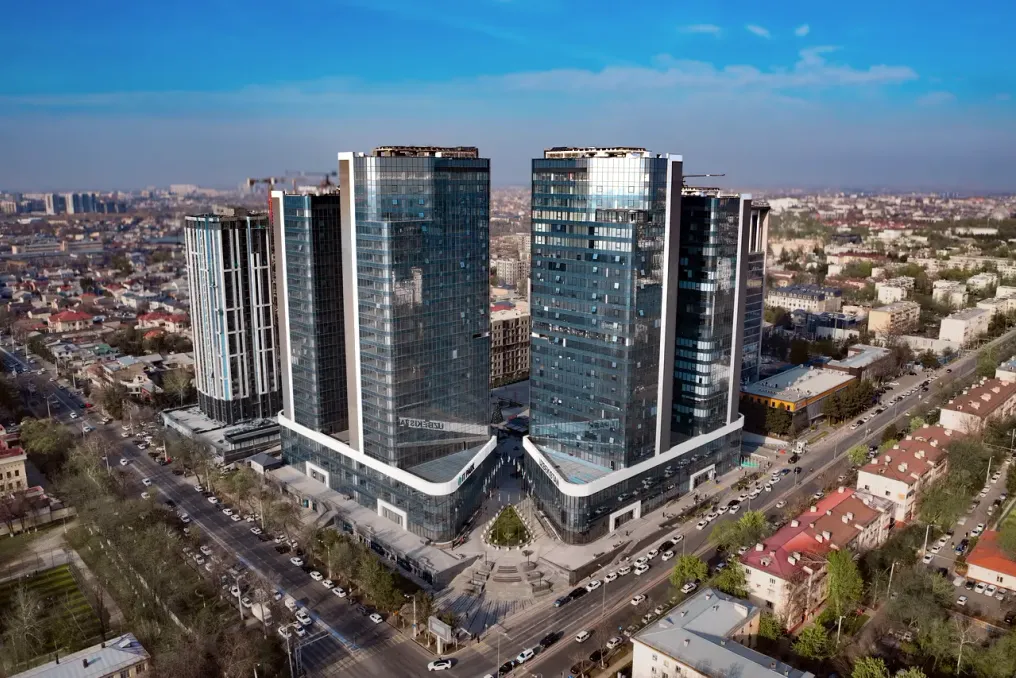
Uzbekistan proposes providing free baggage storage and Wi-Fi in transport hubs
Read more
UzDaily
uzdaily.uz

Uzbekistan proposes providing free baggage storage and Wi-Fi in transport hubs

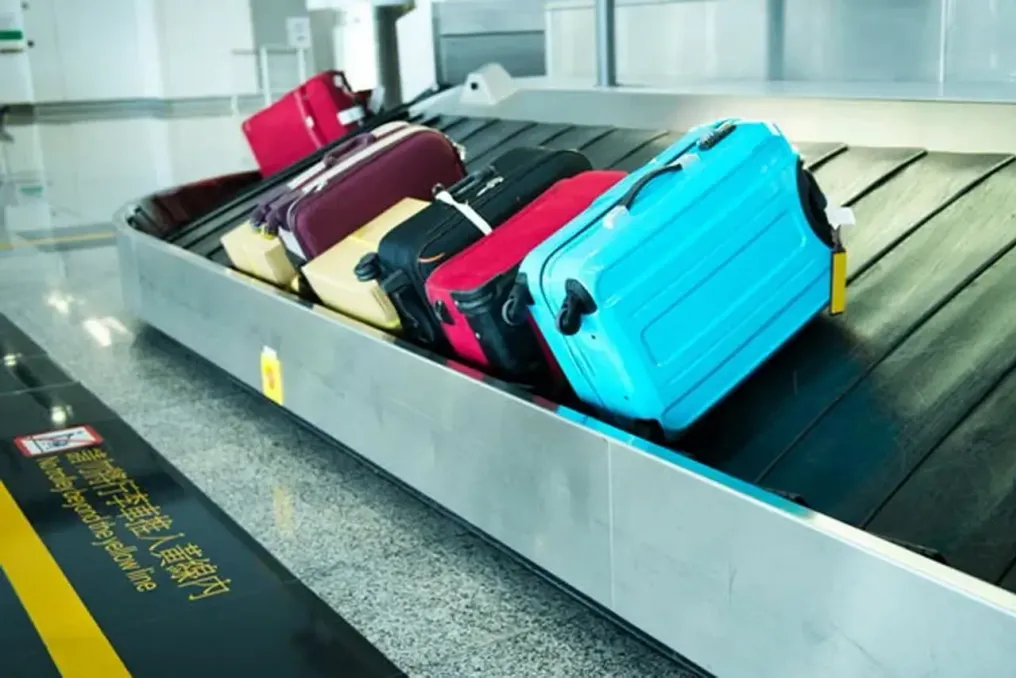
Uzbekistan has put forward proposals to expand the range of free services for passengers at international airports, major railway stations, and bus terminals.

These proposals are included in a draft resolution that was published for public discussion. According to the draft, starting from July 1, 2027, the service of free baggage storage will be gradually introduced for ticketed passengers at various transport hubs. This service will be available up to 24 hours before departure and after arrival.

Additionally, passengers will be provided with free Wi-Fi access for a period of at least one hour.

The draft also provides for the installation of special electronic terminals at airports and railway stations for ordering official taxis. Passengers will be able to enter their destination, check the trip cost in advance, and place an order. These terminals will function without the need for a SIM card or mobile internet connection. After placing an order, passengers will receive a receipt with a QR code.

The document notes that the quality and reliability of Wi-Fi in major transport facilities remain a problem. It is also pointed out that a unified system for ordering official taxis via electronic terminals and issuing receipts with QR codes has not yet been implemented, and free baggage storage for ticket holders is not organized according to a general standard.

The proposed measures are aimed at improving the quality of service and ensuring more comfortable conditions for travelers. Nevertheless, these changes are currently only proposals within the framework of the draft resolution submitted for public discussion and have not yet been approved.

Similar stories

Uzbekistan proposes introducing a deposit system for plastic bottles and aluminum cans
Read more
uzdaily.uz

Uzbekistan proposes introducing a deposit system for plastic bottles and aluminum cans

Uzbekistan has put forward a proposal to implement a mandatory return system with a deposit for glass and plastic bottles, as well as for aluminum beverage cans.

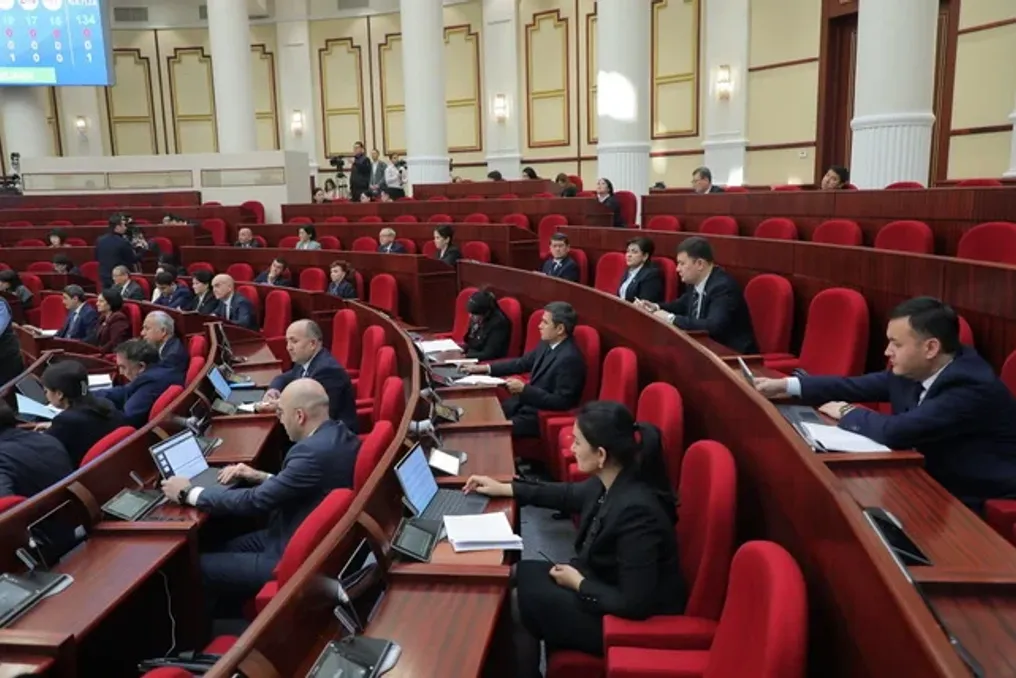
This initiative is linked to the revised draft law 'On Waste'. Iskandar Kutbiddinov, Deputy Chairman of the National Committee on Ecology and Climate Change, presented this proposal at a session of the Oliy Majlis Legislative Chamber on October 20.

Kutbiddinov noted that the existing system does not provide sufficient economic incentives for separate packaging collection. He emphasized that the voluntary system has not been implemented in practice, and the recycling rate for such waste remains low—only 6.2%.

According to Kutbiddinov, manufacturers and retailers should be given a phased transition period to establish the necessary infrastructure.

Under the deposit system, the returnable deposit is included in the product price, and consumers receive money back when returning empty containers to collection points. In several European countries, bottles can be returned via recycling collection machines in or near stores, after which the collected packaging is sent for recycling.

The committee expects that this system will stimulate separate waste collection, increase the inflow of recyclable materials, and reduce environmental pollution.

The session did not specify the proposed deposit amount, who will manage the system, where containers can be dropped off, or when the new rules will come into effect. It was also unclear how the mandatory deposit return system is reflected in the draft law.

A similar mechanism is already being tested in Uzbekistan. In September, the Agency for Waste Management and Circular Economy, together with the Norwegian company TOMRA, launched a pilot project for container collection through recycling collection machines. The first machines began operating in Tashkent and Surkhandarya region on September 23.

Consumers receive 150 soms for each bottle or can returned. These funds can be transferred to an electronic wallet via Click or donated to charity. Unlike the deposit system, the current scheme rewards consumers without requiring them to pay a deposit when purchasing the beverage.

The revised law also expands the responsibility of producers and importers for waste generated from certain types of products and packaging. A fee for recycling will be charged in certain cases. Kutbiddinov stated that this measure should reduce waste generation, encourage recycling, and oblige producers and importers to participate in waste management costs.

According to the committee, in 2025, Uzbekistan produced 15.1 million tons of household waste, but only 5.2% of it was sorted. The country still lacks an integrated system linking separate waste collection with the transfer of materials to recycling enterprises.

The draft law consists of nine chapters and 60 articles. In addition to packaging recycling, it establishes waste classification based on hazard levels and clarifies the duties of state bodies and operators. The document also introduces new requirements for landfills and waste processing stations, as well as changing sector financing mechanisms.

Returning containers using a deposit system was previously included in the list of promising innovative projects in the presidential decree of May 31, 2023.

In January 2025, the Ministry of Ecology proposed obligating non-alcoholic beverage producers to recycle 50% of their plastic packaging by 2026, 75% by 2027, and 100% by 2028. The session did not clarify whether these targets are included in the new draft law.

The Legislative Chamber approved the bill in the first reading on October 20. For the new rules to take effect, the draft must undergo further legislative procedures.
Uzbekistan provides free access to artificial intelligence infrastructure for startups and universities
Read more
uzdaily.uz

Uzbekistan provides free access to artificial intelligence infrastructure for startups and universities

The Ministry of Digital Technologies of Uzbekistan has announced the provision of free or subsidized access to state artificial intelligence infrastructure for social projects. This access is intended for universities, research organizations, startups, and local officials overseeing the digital technology and artificial intelligence sectors.

The rules for providing access are approved by Cabinet of Ministers Decree No. 581 dated October 20, 2026.

Projects utilizing large language models can receive free access via the Application Programming Interface (API) for up to six months, with a monthly limit of 10 million tokens. If a project exceeds this limit, additional usage up to 50 million tokens will be paid at a 50% discount. Unused tokens do not roll over to subsequent months.

For training, testing, validation, evaluation, and deployment of AI models other than large language models, users can apply for access to 120 GB of video memory for up to six months.

Projects applying for preferential access will be selected through a competitive selection process. Competitions are held twice a year—in July and November, and applications are evaluated on a 100-point scale. In case of disagreement with the results, applicants may submit an electronic appeal to the complaints review commission within three business days after the results are announced. The review of appeals must take no more than five business days.

Each user is entitled to implement only one project simultaneously. Furthermore, the rules prohibit users from using the obtained data for purposes not stipulated by the regulations, transferring it to third parties, copying or distributing it, or using it for commercial purposes unless otherwise permitted by law or contract.

Popular