According to a representative of the Iranian Atomic Energy Organization (AEOI), Iran's nuclear industry has reached full maturity as the country has achieved self-sufficiency in building nuclear power plants.
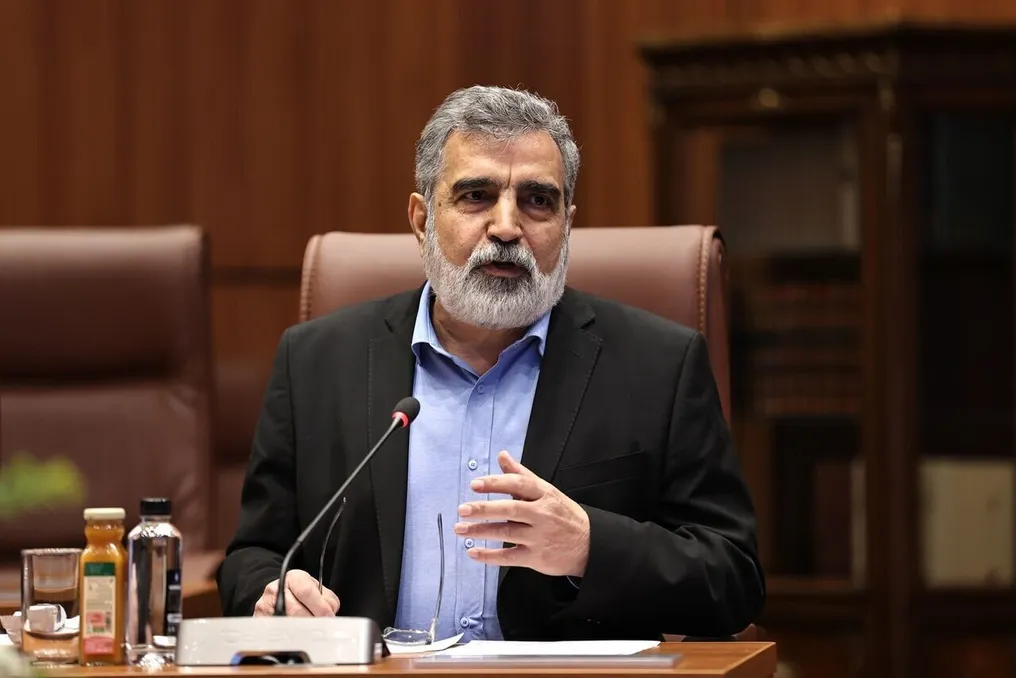
Behrouz Kamalvandi, who also serves as the Deputy of AEOI for International, Legal, and Parliamentary Affairs, made these statements during an interview with the Iranian State News Network (IRNN) on Wednesday. He discussed the growing significance of nuclear energy and the role of advanced nuclear technologies in meeting the increasing global demand for electricity.
Commenting on the participation of the Iranian delegation in the Sixth Ministerial Conference on Atomic Energy in South Korea, Kamalvandi noted that nuclear technologies cover both energy and non-energy applications, the latter including nuclear medicine, agriculture, and various industrial fields.
He emphasized that the production of nuclear energy is gaining increasing importance against the backdrop of escalating environmental problems and the global drive towards developing cleaner and more reliable energy sources. Kamalvandi stated that the heightened focus on nuclear energy in recent years is partly linked to global environmental challenges, which have become a serious issue for the international community and further underscore the necessity of transitioning to nuclear energy.
Kamalvandi also pointed to rapid progress in artificial intelligence, digital technologies, and electric vehicles as key factors contributing to the increase in global electricity consumption. According to him, as these technologies become more widespread, expanding nuclear energy production becomes a necessary condition for countries aiming to meet their growing energy needs while maintaining a stable power supply.
Nuclear Energy Provides Reliable Base Load
The AEOI representative explained that nuclear power plants generate base load, meaning they are capable of providing stable and continuous energy supply to cover primary demand. Unlike wind and solar energy, whose generation depends on weather conditions, sunlight intensity, and wind speed, NPPs can operate continuously for long periods, provided maintenance and operational requirements are met.
This level of reliability, according to Kamalvandi, strengthens the importance of nuclear energy in national energy systems, especially as demand grows due to the development of advanced technologies and electrification.
Commenting on Iran's technological capabilities, Kamalvandi noted that his approximately 14 years of continuous service at AEOI have given him a clear understanding of the country's progress in developing its nuclear industry. He confidently stated: "Given my experience working at the Iranian Atomic Energy Organization for about 14 years, I can say with certainty that the country's nuclear industry has reached full maturity, and we have now achieved self-sufficiency in building nuclear power plants."
His remarks highlight Iran's emphasis on developing domestic expertise and technological capabilities across its entire nuclear sector, including the construction of power generation facilities. Iran is developing nuclear technologies for both electricity generation and non-energy needs such as medicine, agriculture, and industry, focusing on the role of domestic scientific and engineering capabilities in advancing its nuclear program. Kamalvandi's comments also reflect a broader discussion on the contribution of nuclear energy to energy security, reliable electricity generation, and efforts to solve environmental problems amid continued growth in global energy demand.