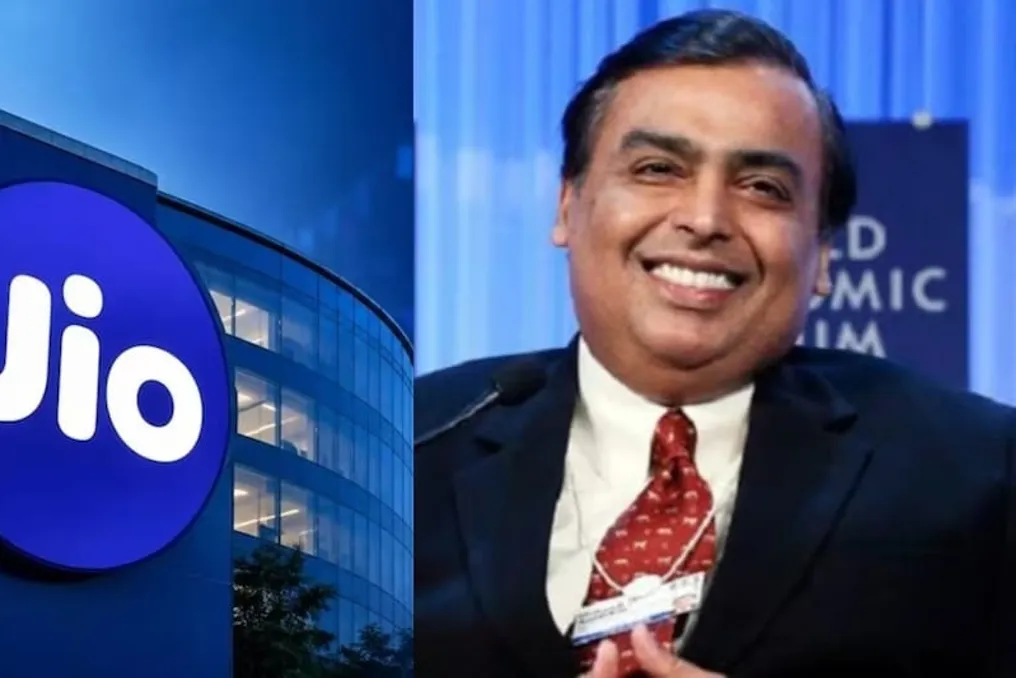
The initial public offering of Jio Platforms led to a significant increase in the value of the company and its parent structure, Reliance Industries Ltd. Jio shares rose by 23% on the first day of trading on Wednesday, providing the company with a valuation exceeding 12.5 trillion rupees ($131.4 billion).
This growth raised the total market capitalization of Reliance Group above 30 trillion rupees, allowing it to surpass Tata Group, whose valuation stood at 25 trillion rupees, according to Bloomberg News. Previously, Tata Group had held the position of market capitalization leader for most of the last decade.
After its listing, which became the largest Initial Public Offering (IPO) in India, Jio also overtook its closest competitor in the telecommunications sector, Bharti Airtel Ltd, becoming the sixth-largest telecom company globally. Currently, Jio is the second-largest company in India by market capitalization, trailing only its parent company, Reliance Industries.
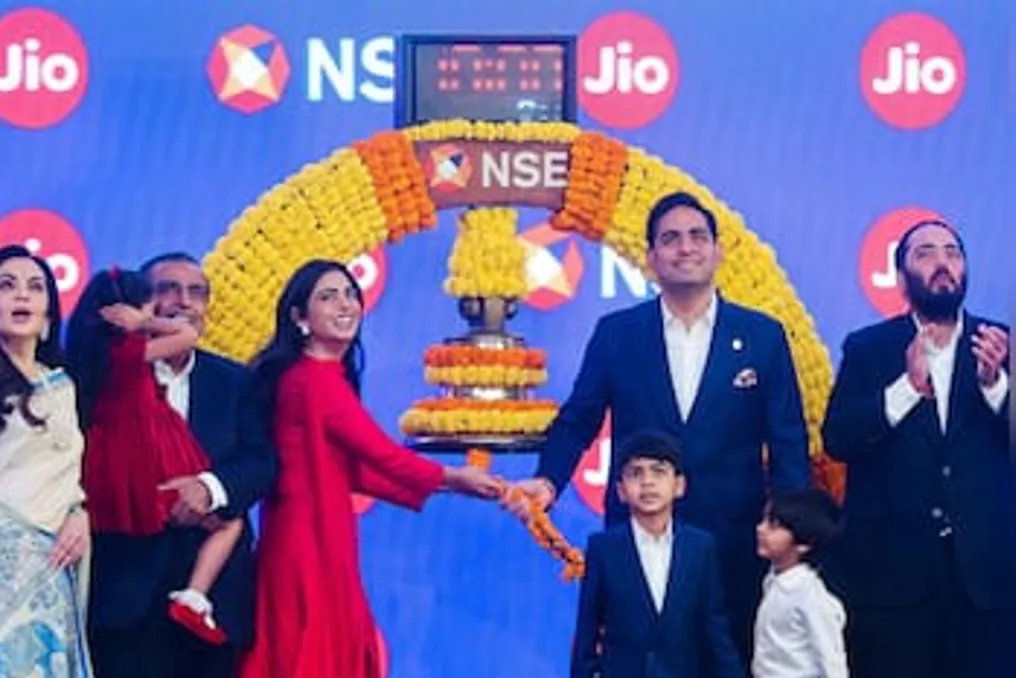
For Ambani, the debut of the offering was a significant moment, as he, along with four generations of his family, from mother to grandchildren, rang the opening bell. The $3.1 billion IPO was fully subscribed in less than 100 minutes and received applications for 22 times the offered shares. This strong market start signaled the potential to overcome the poor momentum of mega-IPOs in India.
Shankar Sharma, founder of GQuant Investech, noted: 'Sometimes a large offering can change the mood of the investing nation, and we all hope that Jio will do this for the Indian market.'
Despite the success, Reliance Industries shares have declined by 25.4% this year, while the benchmark index NSE Nifty 50 has fallen by almost 13.3%. However, the newly listed telecommunications giant must wait several months before it can be included in major Indian stock indices such as the Nifty 50. Stock exchanges must first introduce derivative instruments for the shares for them to become candidates for inclusion in these indices.