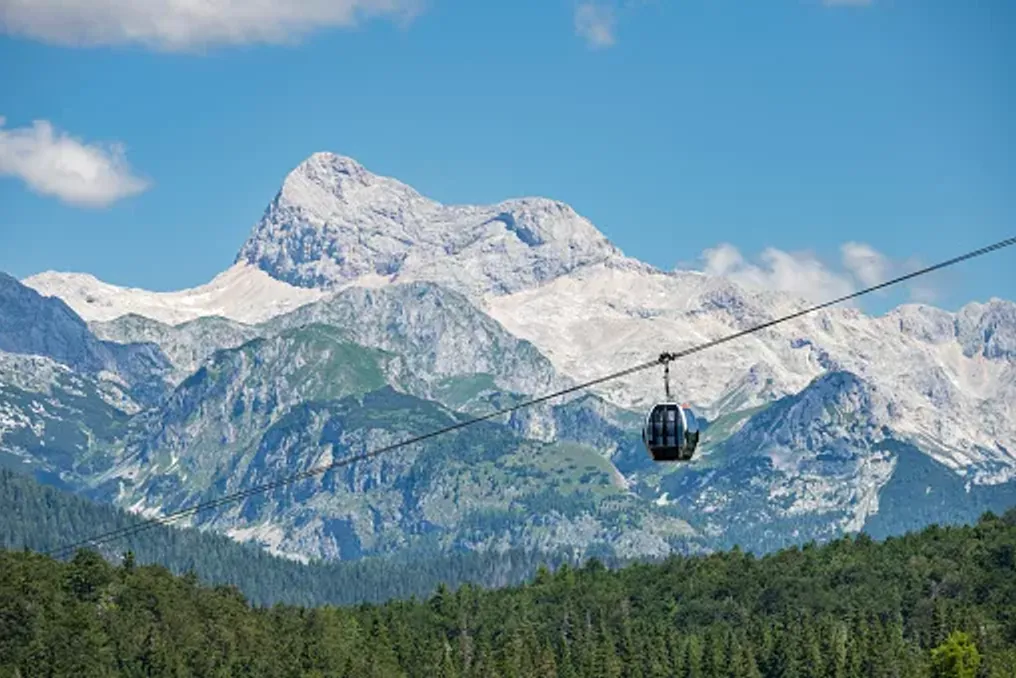
Triglav Glacier in Slovenia Disappeared After Hot Summer, Reflecting Alpine Glacier Melt
Read more
Getaway
getaway.co.za

Triglav Glacier in Slovenia Disappeared After Hot Summer, Reflecting Alpine Glacier Melt

The last Triglav glacier in Slovenia disappeared after a period of extreme heat, marking a significant change in the country's alpine landscape. This fact underscores the acceleration of glacial retreat across Europe due to rising temperatures.

Located beneath Mount Triglav, Slovenia's highest peak, the glacier once represented a much more extensive ice mass. Its disappearance is also viewed as a cultural loss for the nation, where the mountain holds deep national significance and climbing its summit is a long-standing tradition.

The Glacier That Survived Decades of Retreat

Historical documents and photographs indicate that in the mid-19th century, the Triglav glacier covered an area of about 40 hectares. By the time official measurements began in 1946, its area had already shrunk to approximately 14 hectares. In subsequent decades, the retreat process accelerated: between 1983 and 2003, the glacier lost 93% of its area, leaving less than one hectare of exposed rock and scattered ice.

Despite predictions of its demise, small remnants persisted for another two decades. However, the remaining ice continued to diminish, especially over the last five years, as exceptionally hot conditions placed additional pressure on the alpine environment. According to The Guardian, photos taken before and after a recent snowfall confirmed the disappearance of the last remnants of the main body of the glacier.

Impact of Rising Temperatures on the Alps

The disappearance of the Triglav glacier demonstrates the growing impact of climate change on European mountain landscapes. Prolonged heatwaves, rising temperatures, and reduced snow cover contribute to faster ice melt across the entire Alpine region. Researchers who monitored the glacier personally witnessed this transformation. Matija Zorn, director of the Anton Melik Institute of Geography in Slovenia, recalled how a section of ice about five meters thick in 2002 turned into bare rock the following year.

The glacier's disappearance represents more than just a change in the mountain's appearance. Long-term monitoring of glaciers provides valuable data on environmental conditions and helps scientists understand how the climate is changing over time. With the ice gone, researchers have lost an important source of data that helped document the changing environment of the region.

Significance of Mount Triglav to Slovenia

Mount Triglav, standing at an altitude of 2,864 meters above sea level, is Slovenia's highest mountain and a defining feature of its national identity. The mountain attracts tourists engaged in hiking and mountaineering, and the surrounding landscapes are part of the wider Julian Alps—a region known for dramatic peaks, alpine valleys, and active recreation.

The glacier's disappearance holds particular significance for those who have observed its changes over decades. Glaciologist and mountain guide Miha Pavšek told The Guardian that this loss feels personal, reflecting the close bond between the landscape and the people who grew up near it. Although the glacier no longer exists as a surface ice mass, researchers have discovered ice in caves beneath Triglav, where previously hidden passages were exposed due to the glacier's retreat.

Shrinking of Slovenia's Remaining Glacier

Triglav is not the only Slovenian glacier affected by rising temperatures. The country's remaining glacier, located on Mount Škuta in the Kamnik-Savinja Alps, is also becoming smaller and thinner. Its more sheltered position offers some protection from direct sunlight, potentially allowing it to last a few more years. Nevertheless, its ongoing retreat reflects broader issues facing glaciers across Europe.

For travelers, these changes serve as a reminder that mountain ecosystems are not static. Landscapes that attract visitors with their snowy peaks, breathtaking scenery, and opportunities for outdoor activities are transforming under the influence of changing climatic conditions. The disappearance of the Triglav glacier marks the end of a natural feature that existed for generations. Its loss also serves as a testament to how dramatically a mountain landscape can change within a human lifetime.

Similar stories

South African farmers switch to sunflowers due to El Niño threat to crops
Read more
getaway.co.za

South African farmers switch to sunflowers due to El Niño threat to crops

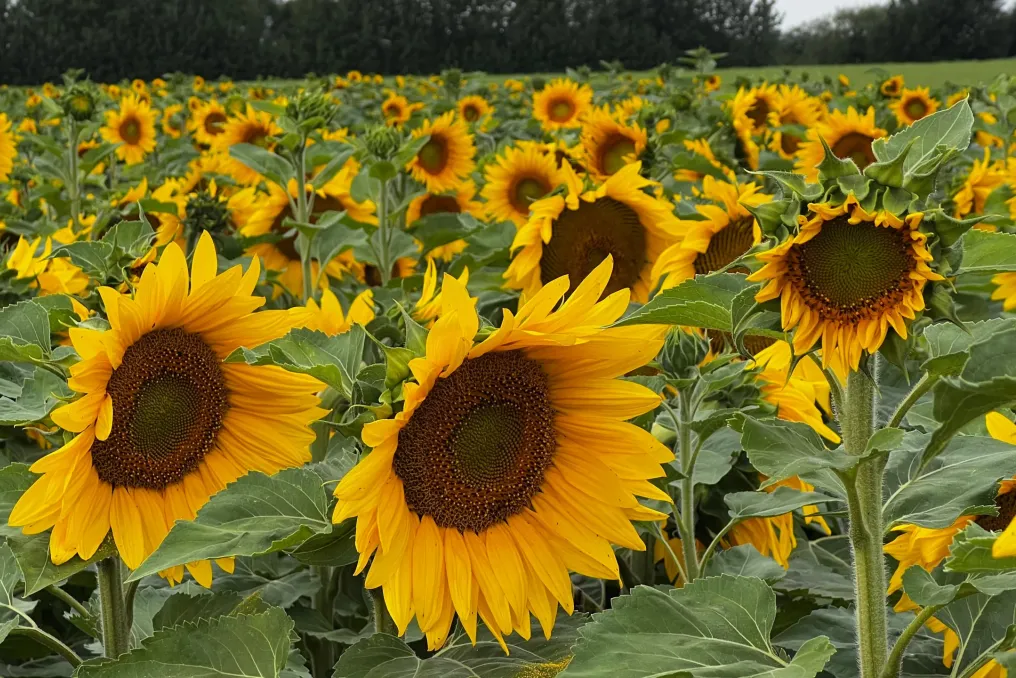
Due to the threat of an intense El Niño event, which raises concerns about drought and the summer harvest, South African farmers are reducing maize cultivation and switching to growing sunflowers.

Pressure on producers is increasing due to rising fuel and fertilizer prices, falling maize prices, and unpredictable rainfall, which exacerbates difficulties this season.

According to the Crop Estimates Committee, farmers plan to plant 12.37% less maize this season, the lowest planned area in the last eight years. White maize plantings are projected to drop by more than 18%, while sunflower plantings, conversely, are expected to increase by almost 45%.

Sunflowers are considered an attractive alternative amid rainfall uncertainty because they mature faster than maize and are generally more drought-resistant. Some farmers in the western grain regions have already started planting earlier to utilize available soil moisture.

There is concern that hot and dry conditions may persist during the critical phase of the growing season. El Niño, a climate pattern associated with drought in parts of Southern Africa, is expected until early 2027.

Tobias Doer, CEO of Grain SA, told Daily Maverick that farmers are preparing for a potentially shorter growing season, which will be interrupted by droughts between rainy periods.

South Africa's significant maize reserves, including 4.3 million tons of white maize remaining from the previous harvest, provide some buffer against crop failure. However, a smaller yield could lead to tighter supplies and higher food prices next year.

White maize is a staple food for millions of South Africans, making the outcome of the season particularly important for households already facing cost-of-living challenges. Farmers are adapting as the season progresses; the first data from the Crop Estimates Committee on actual planted area is expected in January.

With unpredictable rainfall and rising production costs, the choice of crops has become a careful calculation. For many farmers, sunflowers may offer a better chance of surviving a season where every drop of rain matters.

Small holes in clothes in the closet are caused by insects, not rats: ways to get rid of pests
Read more
www.aajtak.in

Small holes in clothes in the closet are caused by insects, not rats: ways to get rid of pests

When expensive sweaters, heavy wedding lehengas, or favorite silk saris are stored in a closet, small holes may sometimes be discovered on the clothing after months. This is especially noticeable if the items have been in one place for a long time. It raises the question of how new items could suddenly be damaged. Many tend to think that rats damaged the clothes, but this may be an incorrect assumption.

Small damage to saris or clothing is most often caused not by rodents, but by certain insects capable of damaging fabrics and other items. Among such pests are silverfish. This small, silvery insect prefers to hide in damp and dark places. It feeds on starch, paper, glue, and some substances found in clothing.

If there is moisture in the closet and cleaning has been neglected for a long time, the population of these insects can increase. Fortunately, there are simple methods that help protect valuable items. Below are six ways to help keep your clothes intact.

  1. Using cinnamon sachets: Cinnamon, available in the kitchen, is used not only for the taste and aroma of food, but also because of its strong scent, some people use it to repel insects. To do this, take several cinnamon sticks, wrap them in cotton fabric to make a small sachet, and place it near the corners, drawers, or storage areas of the clothes in the closet.
  2. Cucumber peel: Cucumber peels, which are often thrown away after being used in salads, are recommended in folk remedies to repel silverfish. It is believed that the smell of cucumber peel acts as a natural repellent against silverfish. The peel can be placed inside the closet; its aroma can help drive away silverfish, but it is important to dispose of it before it starts to rot.
  3. Baking soda: Baking soda is used both for household cleaning and for removing stains from dishes. In some home recipes, it is mixed with sugar to destroy silverfish. When the mixture is scattered and the insects consume it, baking soda causes dehydration in their bodies, leading to death.
  4. Lavender and lemon oil spray: The strong aroma of certain essential oils is used to protect against insects, including lavender, lemon, and orange oils. Ready-made sprays with these oils can be applied around the closet, as silverfish dislike strong smells.
  5. Diatomaceous earth: If silverfish constantly appear in the cracks and corners of the closet, diatomaceous earth can be a solution. This is a fine powder made from the remains of marine organisms, used to control certain pests. It can cause dehydration by damaging the outer layer of the insects.

If you notice small holes in clothes stored in the closet, do not prematurely conclude that the damage was caused specifically by silverfish. There are other types of insects capable of damaging fabrics. Therefore, when discovering such damage, you should consider the following points.

Popular