Sulawesi, Indonesia: Traveling through one of Southeast Asia's most fascinating islands
Read more
Getaway
getaway.co.za

Sulawesi, Indonesia: Traveling through one of Southeast Asia's most fascinating islands

Sulawesi, located between Borneo and the Moluccas, has a shape resembling the letter K. Its volcanic highlands, dense tropical forests, and coastal areas support exceptional biodiversity, while its unique cultures offer travelers a different perspective on Indonesia. Despite the significant distances, the island rewards those willing to deviate from standard tourist routes.

Off the coast of Manado is Bunaken National Marine Park, which protects coral reefs, steep underwater walls, and diverse marine habitats within the Coral Triangle. Diving is the main attraction here, but snorkeling offers a more accessible way to explore shallow reefs. Local operators in Manado can arrange boat trips to surrounding islands; it is recommended to choose responsible operators, maintain distance from marine animals, and avoid touching corals.

Near Bitung is Tangkoko Reserve, which protects a tropical forest inhabited by Sulawesi black macaques, tarsiers, and hornbills. Tarsiers, tiny nocturnal animals, are one of the main attractions due to their large eyes, which help them navigate the forest after dark. The best way to find them is by taking excursions with experienced local guides. Black macaques are more often seen during the day; distance should be maintained, and they should never be fed. Staying near the reserve facilitates organizing early morning and evening trips.

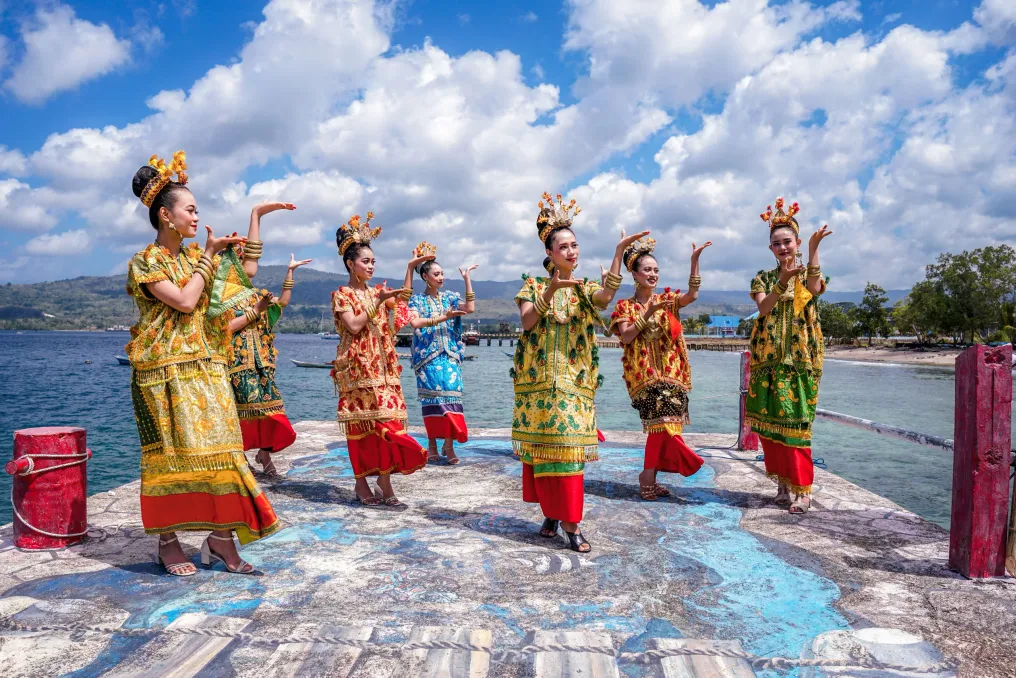
In the highlands of South Sulawesi, Tana Toraja is known for its rice paddies, green valleys, and traditional Tongkonan houses with characteristic curved roofs, reflecting generations of family history. Rantepao serves as a convenient base for visiting Kete Kesu, where traditional houses and rice barns are located, as well as Lemo rock tombs. The burial caves in Londa offer another glimpse into Torajan ancestral traditions. Funeral ceremonies, known as Rambu Solo, unite families and communities to honor the deceased, sometimes over several days. These events hold significant cultural importance and are not tourist performances; if you are invited, you should follow the family's wishes and ask permission before taking photos.

Trekking between villages allows for a closer look at mountain life, and the local coffee is worth trying. Several days should be allocated to this region, as the journey from Makassar takes a long time.

In southeastern Sulawesi, Wakabobi National Park protects extensive coral reefs within the Coral Triangle. Its name combines the first syllables of four islands: Wangi-Wangi, Kaledupa, Tomia, and Binongko. Divers come for the diverse underwater landscapes and marine fauna, while snorkelers can explore shallow reefs. Tomia is a popular diving base, Hoga Island attracts snorkelers, and Wangi-Wangi serves as a gateway to the archipelago. This region is also home to coastal communities, including the Bajo, or Sama-Bajau, whose maritime traditions span parts of Southeast Asia. Permission should be sought before photographing residents, and local businesses should be supported whenever possible. Reaching Wakabobi requires careful planning, as connectivity varies depending on the island, and boat crossings depend on sea conditions.

Central Sulawesi offers forested highlands and archaeological sites outside the island's more famous destinations. Lore Lindu National Park protects important wildlife habitats, and the adjacent area contains ancient megalithic structures included in the UNESCO Tentative List of World Heritage Sites. The region provides opportunities for trekking and birdwatching, as well as insight into Indonesia's lesser-known archaeological history. Further south, Bira is famous for its beaches and traditional shipbuilding. In Manado, try Tinutuan, a vegetable rice soup, alongside fresh fish and chili-rich dishes characteristic of Minahasan cuisine.

Local markets and eateries provide an easy way to experience regional cuisine and daily life. Rather than trying to cover the entire island, it is better to select a few areas that match your interests. The optimal time to visit depends on the region. In most of southern Sulawesi, the dry months are typically from May to September or October, making travel and hiking more comfortable. Some Torajan funeral ceremonies take place between July and September, although dates vary by family. Diving conditions differ between Bunaken and Wakabobi, so information should be confirmed with local operators before booking. Manado is a useful entry point to North Sulawesi, while Makassar provides access to the southern highlands. Accessing remote islands may require domestic flights and boat transfers, so flexibility should be built into the itinerary. Sulawesi combines coral reefs, rare wildlife, highland villages, and cultural traditions that remain part of daily life. Exploring this place requires time, but the reward is an experience beyond beach relaxation. For travelers seeking another side of Indonesia, Sulawesi is an invitation to explore at a slower pace, with curiosity and respect for the people and environment that make it exceptional.
Similar stories

A Practical Guide to the Raja Ampat Archipelago in Indonesia
Read more
getaway.co.za

A Practical Guide to the Raja Ampat Archipelago in Indonesia

Many of the most amazing sights in Raja Ampat are underwater: manta rays glide over coral gardens, turtles move through clear water, and fish gather around vibrant reefs.

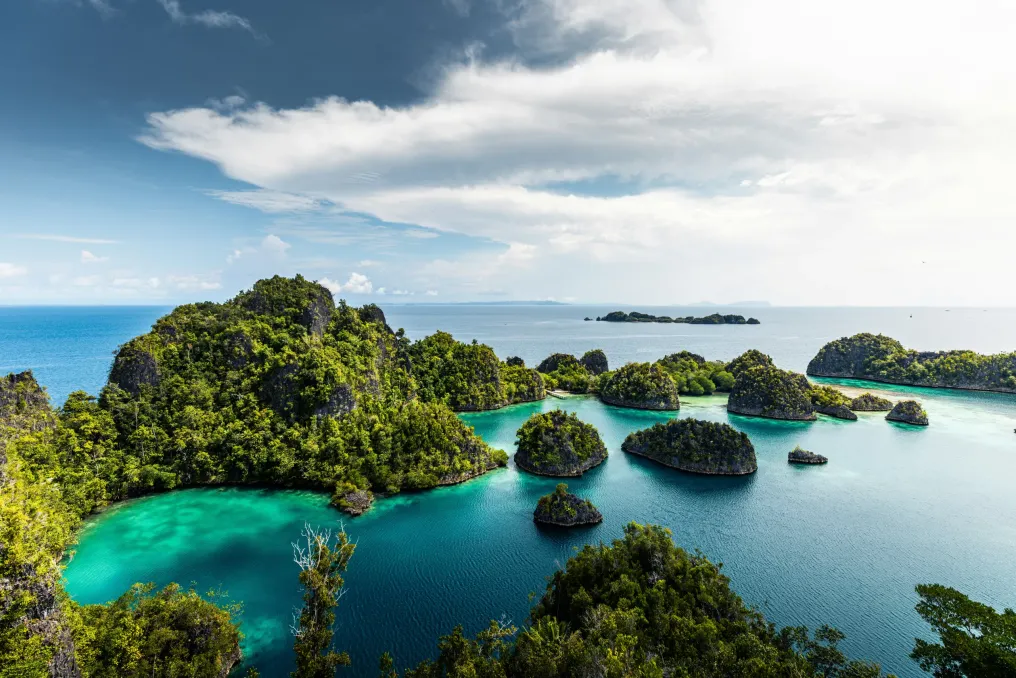
Above the sea, the landscape formed by lush limestone islands is unique to all of Indonesia. Located off the coast of Southwest Papua, Raja Ampat means 'Four Kings' and refers to four main islands: Waigeo, Batanta, Salawati, and Misool. Around them are more than 1500 small islands, shoals, and reefs.

As part of the Coral Triangle, this archipelago is famous for its marine biodiversity, attracting divers, snorkelers, and travelers seeking secluded island getaways.

Since Raja Ampat is vast, it is recommended to carefully choose an accommodation base rather than trying to see everything in one trip.

Main Points of Interest

Piaynemo is one of the most recognizable viewpoints in the archipelago, offering views of limestone islands scattered across bright blue water. A staircase leads to a panoramic spot, making this location a popular stop during cruises between islands.

Further north is Waigeo, known for its dramatic karst formations and protected lagoons. Reaching this area requires more time and resources than visiting sites closer to Waisai, so transfers must be planned in advance.

Dampier Strait

This area is a highlight for diving and snorkeling, including the reefs around Kri, Mansuar, and Arborek. Visitors can expect to see colorful corals, as well as turtles, reef sharks, and large schools of fish. Since currents can be strong, it is advisable to choose a reliable operator.

Misool, located in the south of Raja Ampat, offers travelers seclusion, hidden bays, and rich marine habitats if they are willing to spend more time there. Accommodation includes specialized resorts and liveaboards, which are particularly popular among divers.

Raja Ampat is warm year-round, but visibility and conditions for sea travel depend on the sea state. Generally, the period from October to April is considered favorable for diving and inter-island cruises, while stronger winds from June to September may complicate some trips.

Encounters with wildlife are not guaranteed, and conditions vary throughout the archipelago. Flexibility in the itinerary must be maintained in case of weather-related delays.

The main entry point is Sorong, located in Southwest Papua, from where domestic flights connect it to Indonesian hubs such as Jakarta and Makassar. Travelers from South Africa will need to plan international and domestic flights.

From Sorong, ferries arrive in Waisai on Waigeo Island in about two to three hours. Many visitors then require an additional boat transfer to their accommodation. It is recommended to arrange transfers in advance with the host and confirm departure times and costs. Depending on flight arrival time, an overnight stay in Sorong may be necessary.

Accommodation options range from community-run guesthouses with basic amenities and access to nearby reefs, to eco-resorts offering greater comfort and organized activities. Liveaboards are another option for divers wishing to explore multiple locations over several days.

It is necessary to check what is included in your package. Meals, sea transfers, fuel, and excursions can significantly increase the final cost, while electricity and mobile coverage may be limited on remote islands.

If possible, allocate at least seven days to account for transfer time, snorkeling, and excursions. Visiting both Waigeo in the north and Misool in the south will require a longer stay.

A budget must be set aside for airfare, accommodation, food, ferries, boat trips, diving, and applicable tourism and marine conservation fees. Before departing, check current fees through official Raja Ampat tourism channels, as they may change.

It is recommended to pack light clothing, swimsuits, reef-safe sunscreen, insect repellent, and a waterproof bag. Carry cash for small purchases and ensure your travel insurance covers planned activities and emergency evacuation.

The biodiversity of Raja Ampat is its main attraction, and its protection is vital. Where possible, choose locally owned accommodation and guides, respect village customs, and ask permission before photographing people. Never touch corals, disturb wildlife, or remove marine life from its natural habitat. Reduce single-use plastic and take trash to places where it can be responsibly disposed of.

Getting to Raja Ampat takes time and effort, but the reward is exceptional. From vibrant reefs to limestone islands rising from clear water, this is a place where nature plays a central role. Plan your route carefully, anticipate potential delays, and resist the temptation to see everything at once. Sometimes the best way to experience Raja Ampat is to spend less time traveling between islands and more time enjoying what makes each one special.

Popular