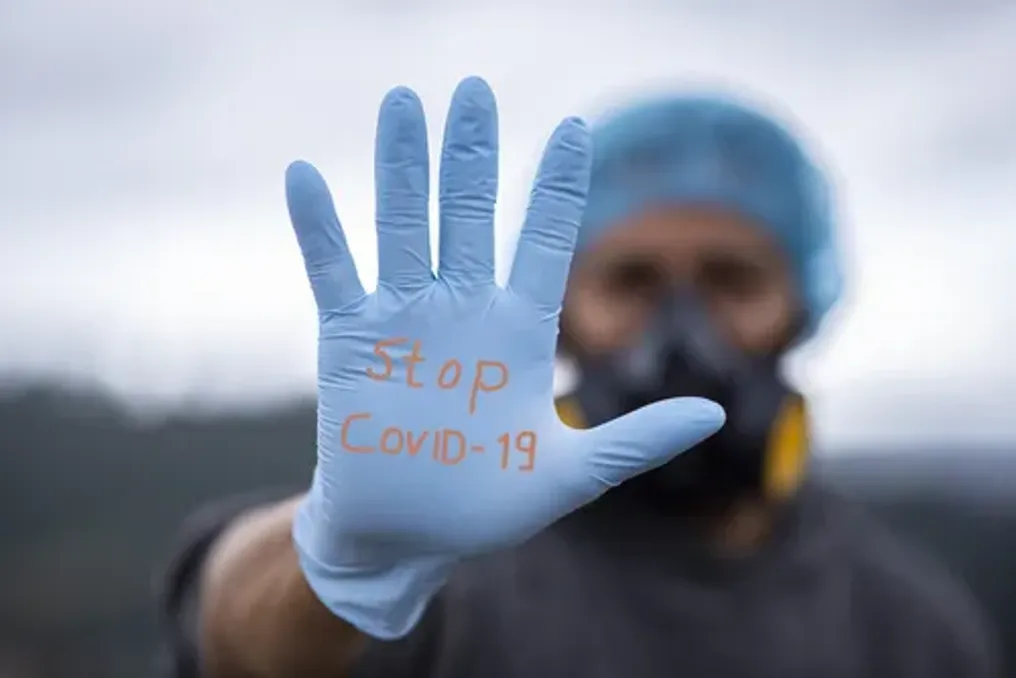
The COVID-19 pandemic revealed a harsh truth about the global health order: when faced with a common threat, the wealthiest countries prioritized their own interests over human lives. Protective resources such as masks, ventilators, vaccines, diagnostic tools, and medicines were treated not as public goods available to all, but as commodities that could be bought, stockpiled, and controlled by those with the greatest financial means.
While governments in African, Latin American, Caribbean, Asian, and Eastern European countries struggled for access to vital technologies, wealthier states secured stockpiles far exceeding their immediate needs, leaving millions waiting. This outcome was not merely an unfair reaction, but a profound moral failure that turned survival into a privilege of wealth and geography, contributing to unnecessary suffering and loss of life in many Global South nations.
Six years later, the world has a chance to decide whether it learned from this experience. However, as negotiations continue around the World Health Organization's (WHO) pathogen and benefit-sharing system, there is a real risk that some of the same dynamics that defined the COVID-19 response could become entrenched in frameworks designed to prevent them.
Recently, the AIDS Healthcare Foundation joined other civil society organizations by filing a complaint with the UN Special Rapporteur on the right to health. The core issue is that the positions advocated by some high-income countries during PABS negotiations could undermine principles firmly established in international human rights law, including the right to health.
Human rights remain inviolable even during intergovernmental negotiations. Countries do not renounce their obligations by joining the World Health Organization. The right to health, recognized under international law, entails responsibilities that extend beyond national borders. It demands cooperation, solidarity, and the recognition that decisions made in one country can directly affect the health and lives of people in another.
These principles are not abstract legal concepts; they become matters of life and death during a public health emergency. Scientific progress is valuable only when its benefits reach people in time. Breakthrough vaccines offer little comfort to a patient who cannot access them. A vital medicine is insignificant if it is unaffordable. Advanced diagnostics cannot stop an outbreak if they only appear after the worst has happened.
The true measure of scientific innovation is not what is discovered in the laboratory, but whether these discoveries are accessible to the people who need them most. This reality poses a fundamental question at the heart of PABS negotiations: who benefits from science, and when?
During a pandemic, access to vaccines, diagnostics, and treatments must be determined by public health needs, not by purchasing power. Priority should be given to countries facing the highest risks, highest incidence rates, and most vulnerable populations, rather than those left behind due to an inability to compete with wealthier nations. This is precisely what occurred during COVID-19.
The fundamental principle underlying PABS should be simple: countries share pathogen samples and genetic sequence information so that researchers and manufacturers can rapidly develop tools to respond to emerging health threats. In return, the benefits derived from this research must be distributed fairly and predictably. Reciprocity is not a radical idea; it is the foundation upon which trust is built.
Nevertheless, many civil society organizations are deeply concerned that the discussed system ensures greater certainty regarding access to pathogen information than to the products developed from that information. In other words, countries may be expected to provide samples quickly and transparently, yet receive no substantial guarantees regarding access to the vaccines, medicines, diagnostics, technologies, or knowledge resulting from these contributions. This is neither sustainable nor fair.
It is difficult to justify a system where countries fulfill their obligations immediately but must rely on goodwill, political considerations, or charity to receive benefits from their contributions. If pathogen sharing is an obligation, then benefit sharing must also be an obligation. There must be certainty on both sides of the equation.
Timing is as crucial as access. One lesson from COVID-19 is that delays cost lives. Waiting until an outbreak escalates into a full-blown pandemic before stronger access mechanisms take effect negates the purpose of preparedness. The most critical period often occurs in the earliest phase of an outbreak, when rapid intervention can curb transmission, prevent escalation, and save lives. Access to medical technologies must be built into the response from the very beginning, not offered after the crisis has deepened.
South Africa's experience during COVID-19 vividly illustrates this problem. Scientists from South Africa and Botswana played a crucial role in identifying and reporting the Omicron variant to the world. Their transparency and scientific excellence allowed the global community to better understand the emerging threat. However, the immediate response was not solidarity. Instead, several countries imposed travel restrictions targeting South Africa, leading to significant economic consequences for the region.
At the same time, many African countries continued to struggle with access to vaccines that were already widely available elsewhere. Former President of Botswana, Mokgweetsi Masisi, expressed the frustration felt across many developing nations, questioning a system where countries are encouraged to share scientific information for the good of all, yet see the resulting technologies concentrated in the hands of a few.
His criticism points to a deeper concern extending beyond COVID-19. Why should countries continue to share information that enables scientific discovery if they are not sure that the benefits of that science will return to them when they need it most? This question is particularly relevant given the immense contribution of Global South countries to ensuring global health security. They contribute through surveillance systems, research institutions, healthcare workers, clinical trial participants, pathogen samples, and genetic data. Their input helps drive scientific advancements that protect the world. But contribution alone is not enough to guarantee access.
Benefit sharing cannot be reduced to the last-minute donations of surplus products after wealthier nations have met their needs. Donations can play a role, but they do not replace justice. By the time vaccines or medicines arrive months late, we may have already missed opportunities to prevent deaths and control outbreaks.
Furthermore, true benefit sharing includes not only the distribution of finished products. It requires expanding access to manufacturing capacity, technology transfer, voluntary licensing, scientific knowledge, and regional production capabilities. Countries should not remain permanently dependent on a handful of suppliers located thousands of kilometers away. Creating resilient and geographically diverse production systems is not only just but strategically necessary for global health security.
PABS ultimately requires accountability. There must be transparency regarding who gains access to pathogen information, how that information is used, and whether agreed-upon benefits are actually provided. There must be mechanisms supporting accessibility, expanding production during sharp increases in demand, and ensuring that commitments are enforceable, not merely desirable.
None of these points should be interpreted as an argument against rapid information sharing. On the contrary, rapid exchange of scientific information remains essential for managing future outbreaks. But a system that clearly defines the obligations of countries providing pathogen information while remaining vague about the obligations of those who use that information is neither balanced nor sustainable.
Infectious diseases recognize no borders, ideologies, or economic status. An outbreak left unchecked anywhere can quickly become a threat everywhere. Ensuring that vital technologies reach where they are needed most is not an act of charity, but an act of collective self-interest and sound public health policy. The world will be judged not only by how quickly it detects the next pandemic threat but also by how justly it responds to it.
If countries are expected to share information that makes scientific breakthroughs possible, then the benefits of those breakthroughs must also be distributed fairly, quickly, and predictably. The lessons of COVID-19 are too painful and too recent to ignore. The next pandemic should not be determined by who can pay first and who must wait. Human lives must never again be sold to the highest bidder. The international community now has the opportunity to build a system based on justice, reciprocity, and shared responsibility. It must not miss this chance.