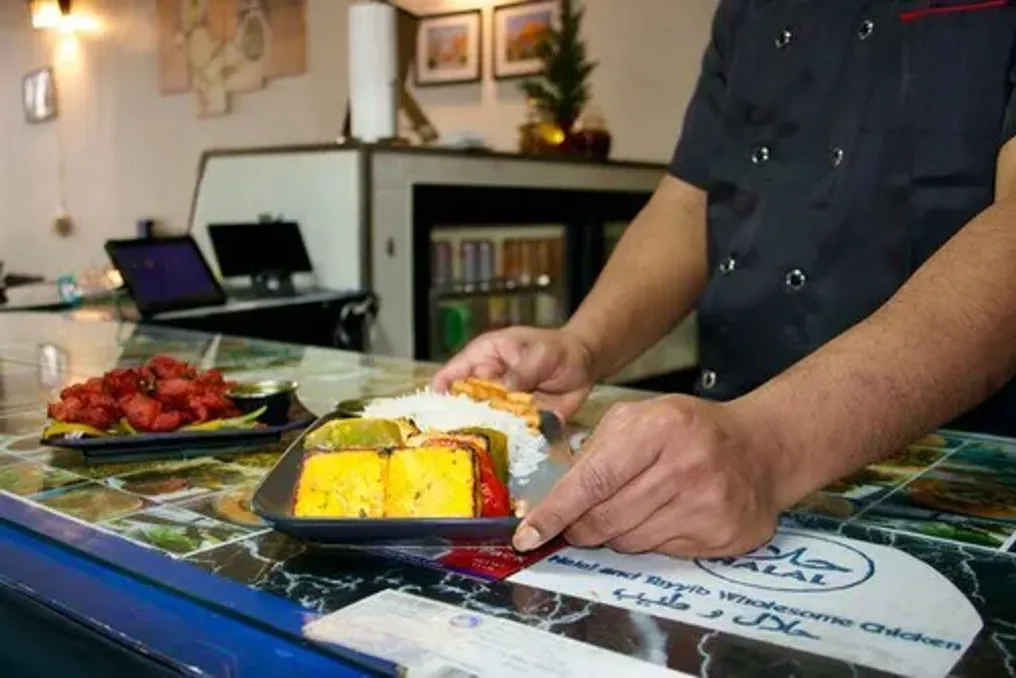
In many shopping centers, restaurants, and supermarkets in South Africa, you can see halal signs on displays or product packaging. Although this word is familiar to many South Africans, not everyone understands its meaning, the criteria by which a product is considered halal, or the reasons why some businesses display this certification.
According to the South African National Halal Authority (SANHA), halal is an Arabic word meaning 'permissible' or 'lawful.' In the context of food, halal refers to products that comply with Islamic dietary requirements. These rules define what Muslims may consume, as well as how products must be sourced, prepared, and handled.
There have been claims circulating on social media that non-Muslims are forced to consume halal products. However, SANHA refutes this, stating that such claims are untrue.
What makes food halal?
Islamic food laws prohibit certain substances and products, including pork and its derivatives. Furthermore, alcohol consumption is forbidden for Muslims. Meat must meet strict Islamic slaughtering requirements to attain halal status.
Fresh fruits, vegetables, and many other plant-based products are generally permitted. Nevertheless, processed foods may contain components requiring closer inspection, such as certain gelatin products, flavorings, and other animal substances.
The cooking process is also an important aspect. Businesses are obliged to take appropriate measures to prevent the introduction of prohibited ingredients, especially if different types of products are cooked in the same kitchen.
Halal certification provides an additional guarantee for Muslim consumers. It involves assessing the compliance of products and corresponding processes with Islamic dietary norms. SANHA defines the purpose of certification as follows: 'Halal certification is an independent confirmation by a third party that the product complies with the dietary requirements of Sharia.'
The certification process may include checking ingredients, suppliers, production procedures, storage methods, and product handling. Depending on the requirements of the business and the certifying body, inspections and regular audits may be conducted.
The opposite of halal is haram, an Arabic word meaning forbidden or impermissible according to Islamic law.
Why do some restaurants display the halal sign?
For Muslim customers, choosing a place to eat can be more complicated than simply deciding what looks appetizing on the menu. They may require assurance that the food, ingredients, and preparation methods align with their religious beliefs.
The halal sign helps customers find establishments that meet these needs. If a restaurant is certified by a recognized halal authority, the logo can indicate that its compliance has been verified against relevant standards.
Certification can involve checking suppliers, ingredients, food preparation and storage procedures, as well as measures to prevent cross-contamination. It is important to note that not every restaurant with a halal sign necessarily has official certification. Customers wishing to verify the establishment's status can request the name of the certifying organization or ask about it directly at the restaurant.
Moreover, a halal restaurant is not required to have a Muslim owner. Businesses of various backgrounds can undergo certification to serve Muslim visitors.
Can non-Muslims eat halal products?
Yes. Halal products are not exclusively intended for Muslims. People of other faiths and those who do not adhere to any religion can consume them, provided they meet their dietary needs and preferences.
For Muslim consumers, this sign serves as a guarantee that their meal aligns with their religious convictions. For other visitors, it is information they can consider when choosing where to eat.
Ultimately, understanding the concept of halal means recognizing both its religious significance and its practical purpose. For Muslims, it is an important part of observing their faith, and for businesses, certification helps demonstrate compliance with specific dietary requirements.