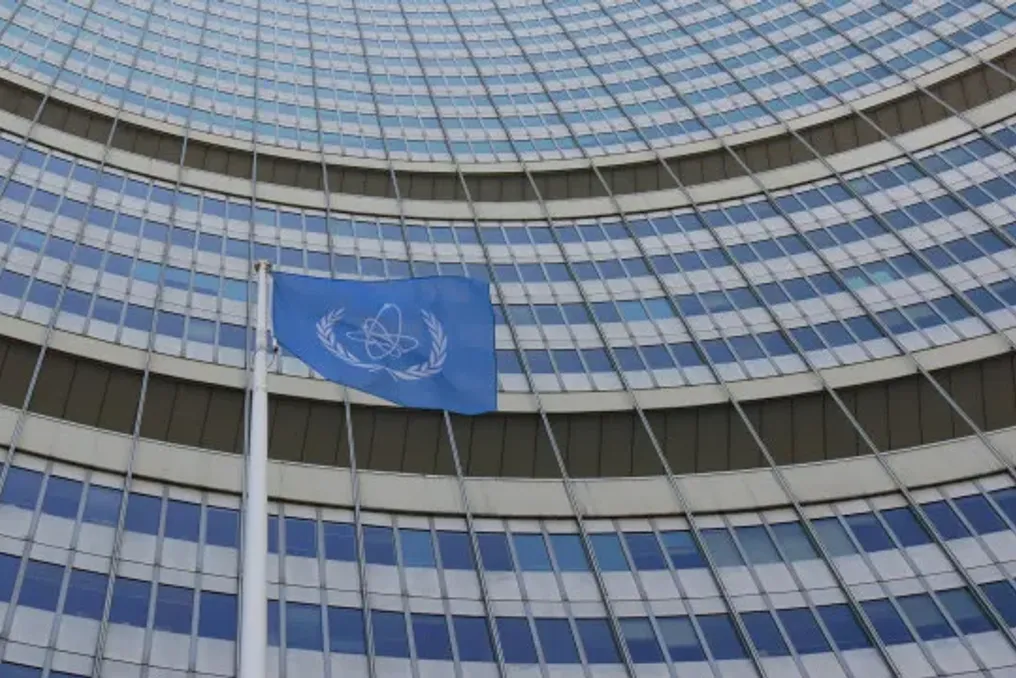
The Director General of the International Atomic Energy Agency (IAEA), Rafael Grossi, demanded that Iran cooperate with the organization without further delay, aiming to clarify outstanding issues related to Iran's fulfillment of its obligations in the nuclear sector.
Grossi requested that Iran, before the UN Security Council, provide the agency with the necessary information and access so that it could inspect all involved facilities and materials, as stipulated by Iranian legal obligation.
The IAEA has been unable to access crucial nuclear facilities in the country since Israel and the United States launched attacks in June 2025. Furthermore, these facilities were affected during the war that began on February 28, at a time when the agency had already requested access on several occasions.
Uncertainties remain regarding the status of the Islamic Republic's highly enriched uranium reserves. Before the June 2025 attacks, the IAEA estimated that Iran held approximately 440 kilograms of 60% enriched uranium.
The country has always denied any intention of developing an atomic weapon but has remained firm on its right to possess a complete civilian nuclear cycle.
Amir Saeid Iravani, the Iranian representative at the UN, publicly criticized the Security Council's silence regarding the attacks carried out by the United States and Israel on Iranian territory. He stated that the current meeting demonstrates an 'established double standard,' where the aggressor remains unpunished, the victim is subject to criticism, and non-proliferation rhetoric is cynically used for geopolitical ends.
The Security Council session was convened at the initiative of France, Great Britain, the United States, Denmark, Latvia, and Bahrain. This meeting follows a resolution approved by IAEA governors in September, which was presented by Western nations and called on the agency's director general to report to the UN Security Council and the General Assembly about the situation.
Sources close to the IAEA indicated that a similar procedure had not been carried out for twenty years. The document expressed 'deep concern' over Iran's continued failure to comply with its responsibilities.
On the other hand, China and Russia expressed their opposition to holding this meeting. Both countries contest both the reinstatement of UN sanctions against Iran in September 2025, following the failure of negotiations with Western countries on the nuclear program, and the fact that the council continues to address the issue.