
The Importance of Establishing a Sleep Routine Beyond Just Getting Enough Hours of Sleep
Read more
Grupo Globo
g1.globo.com

The Importance of Establishing a Sleep Routine Beyond Just Getting Enough Hours of Sleep

Quality sleep is not defined solely by the number of hours spent in bed; duration, quality, regularity, and timing are also crucial factors. For this reason, developing a sleep routine can be as relevant as ensuring adequate time to rest.

Although the general recommendation for adults is at least seven hours of nighttime sleep, sleep care also encompasses pre-sleep habits, consistency of schedules, and other elements of the daily routine.

In this context, nutrition and supplementation can help improve sleep quality. Maltta Nutrition offers various supplements that complement nutrient intake, fitting different moments of the routine, including formulas with magnesium, vitamins, and minerals.

This content aims to explain why maintaining regular times for sleeping and waking makes a difference, which habits contribute to a more effective sleep routine, and how diet and supplementation fit into this care.

Is sleeping 7 or 8 hours enough?

While reaching the suggested number of hours is a starting point for sleep hygiene, it is not the only factor to consider; quality and consistency are equally important.

It is possible for someone to spend eight hours in bed but have variable daily schedules or wake up repeatedly during the night, which demonstrates that the total sleep time does not reflect the complete situation.

Health organizations generally advise that adults sleep a minimum of seven hours per night. Healthy sleep requires, in addition to duration, regularity and quality, ensuring continuous and restorative periods of rest.

Therefore, it is more productive to analyze the sleep routine as a whole, rather than focusing solely on the number of hours slept.

What happens when every day has a different schedule?

The human body has an internal mechanism that regulates sleep and wake cycles, called the circadian rhythm. Melatonin, a naturally produced hormone, participates in this process, and its release is affected by the light and dark cycle.

Maintaining very different schedules for sleeping and waking, combined with irregular light exposure, can harm the organization of this rhythm. Thus, a more predictable routine helps the body identify the times dedicated to rest and activity.

This does not imply sleeping at the same minute every day, but rather establishing relatively stable schedules, even on weekends, as large discrepancies between workdays and days off can compromise this regularity.

Melatonin is also found in certain dietary supplement formulations intended for the pre-sleep routine, such as 3 Magnesiums + Inositol, which combines magnesium, inositol, melatonin, and tryptophan. Therefore, it is essential to observe the set of habits that structure the day and prepare the body for rest, and children, pregnant women, and breastfeeding mothers should seek professional advice before using melatonin.

The sleep routine also starts before going to bed

Building a sleep routine goes beyond just setting a time to go to bed; the habits adopted in the hours leading up to rest are also part of this process.

Several actions can be beneficial: reducing exposure to screens and bright light near bedtime; dedicating calmer time before going to bed; avoiding caffeinated drinks late in the day; not consuming very heavy meals close to sleep; keeping the bedroom environment quiet, comfortable, and dimly lit; exercising regularly, preferably away from bedtime; and trying to maintain consistent schedules for sleeping and waking.

The goal is not to create a rigid list of duties for bedtime, but rather to build customs that are sustainable in daily life.

What if I sleep many hours but still wake up tired?

The amount of hours slept alone does not indicate satisfactory sleep. If rest is constantly interrupted, there is difficulty falling asleep, or the person remains lethargic during the day even after sleeping enough, the quality of that sleep needs to be evaluated.

Other routine factors, such as stress levels, caffeine consumption, meal times, electronic device use, and exercise practice, also deserve consideration. If difficulty sleeping or daytime drowsiness is recurrent, persistent, or interferes with daily activities, consulting a health professional can help diagnose the cause.

The routine must also fit into real life

It is useless to devise an ideal sleep routine theoretically if it is impractical in practice. Commitments such as work, studies, family responsibilities, and commuting can lead to variations in schedules.

Therefore, the focus should be on achieving a regularity that is feasible, not an unattainable routine. Small changes, such as fixing a more stable wake-up time or incorporating a few minutes of calm before sleeping, can already make the rest period more predictable.

Over time, these habits can integrate naturally into the routine.

Where does supplementation come in?

Magnesium is an essential mineral for the normal functioning of the body, participating in multiple functions, including energy metabolism and neuromuscular and muscular function.

One example is 3 Magnesiums + Inositol, which combines three types of magnesium—bisglycinate, oxide, and malate—with inositol. This product is available in powder and capsules, with different flavors, making it easy to include in the supplementation routine.

The powder version contains 330 mg of magnesium per serving, in addition to inositol, and can be consumed in the pre-rest period according to package instructions. It is essential that pregnant women, breastfeeding mothers, and children receive professional guidance before using this supplement.

Supplementation also serves to cover specific nutritional deficiencies. Maltta Nutrition offers a variety of supplements to meet different needs and moments of the routine, including formulas with vitamins, minerals, and magnesium.

In summary, taking care of sleep requires a comprehensive view of the routine. The more consistent the habits throughout the day, the greater the chance of transforming rest into a real and sustainable component of health.

Similar stories

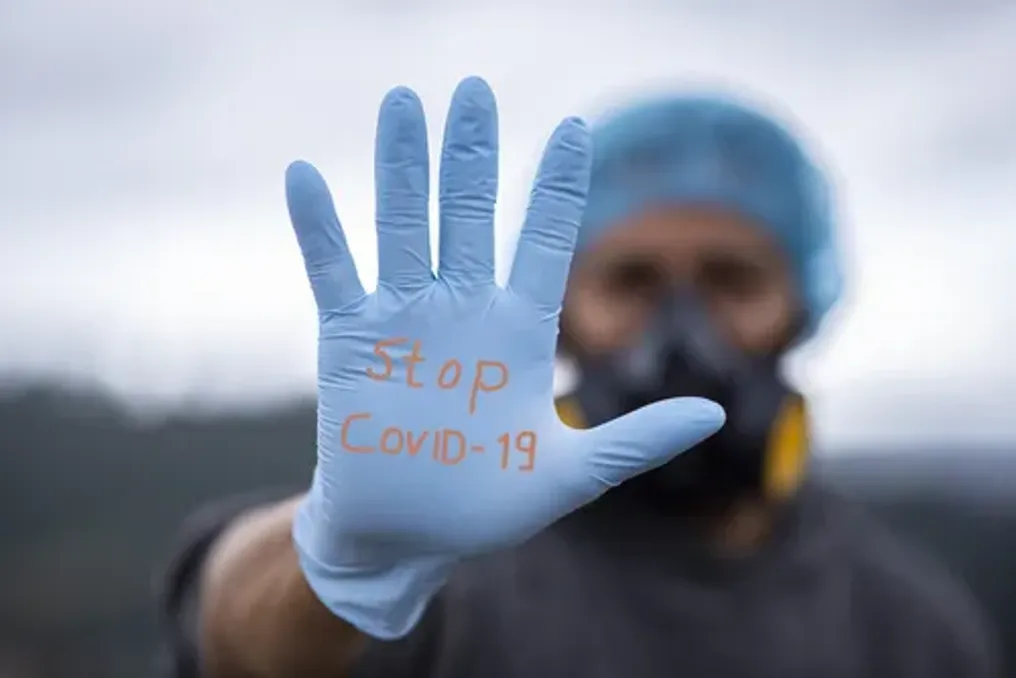
The Necessity of Justice in Global Health: Lessons from the COVID-19 Pandemic
Read more
iol.co.za

The Necessity of Justice in Global Health: Lessons from the COVID-19 Pandemic

The COVID-19 pandemic revealed a harsh truth about the global health order: when faced with a common threat, the wealthiest countries prioritized their own interests over human lives. Protective resources such as masks, ventilators, vaccines, diagnostic tools, and medicines were treated not as public goods available to all, but as commodities that could be bought, stockpiled, and controlled by those with the greatest financial means.

While governments in African, Latin American, Caribbean, Asian, and Eastern European countries struggled for access to vital technologies, wealthier states secured stockpiles far exceeding their immediate needs, leaving millions waiting. This outcome was not merely an unfair reaction, but a profound moral failure that turned survival into a privilege of wealth and geography, contributing to unnecessary suffering and loss of life in many Global South nations.

Six years later, the world has a chance to decide whether it learned from this experience. However, as negotiations continue around the World Health Organization's (WHO) pathogen and benefit-sharing system, there is a real risk that some of the same dynamics that defined the COVID-19 response could become entrenched in frameworks designed to prevent them.

Recently, the AIDS Healthcare Foundation joined other civil society organizations by filing a complaint with the UN Special Rapporteur on the right to health. The core issue is that the positions advocated by some high-income countries during PABS negotiations could undermine principles firmly established in international human rights law, including the right to health.

Human rights remain inviolable even during intergovernmental negotiations. Countries do not renounce their obligations by joining the World Health Organization. The right to health, recognized under international law, entails responsibilities that extend beyond national borders. It demands cooperation, solidarity, and the recognition that decisions made in one country can directly affect the health and lives of people in another.

These principles are not abstract legal concepts; they become matters of life and death during a public health emergency. Scientific progress is valuable only when its benefits reach people in time. Breakthrough vaccines offer little comfort to a patient who cannot access them. A vital medicine is insignificant if it is unaffordable. Advanced diagnostics cannot stop an outbreak if they only appear after the worst has happened.

The true measure of scientific innovation is not what is discovered in the laboratory, but whether these discoveries are accessible to the people who need them most. This reality poses a fundamental question at the heart of PABS negotiations: who benefits from science, and when?

During a pandemic, access to vaccines, diagnostics, and treatments must be determined by public health needs, not by purchasing power. Priority should be given to countries facing the highest risks, highest incidence rates, and most vulnerable populations, rather than those left behind due to an inability to compete with wealthier nations. This is precisely what occurred during COVID-19.

The fundamental principle underlying PABS should be simple: countries share pathogen samples and genetic sequence information so that researchers and manufacturers can rapidly develop tools to respond to emerging health threats. In return, the benefits derived from this research must be distributed fairly and predictably. Reciprocity is not a radical idea; it is the foundation upon which trust is built.

Nevertheless, many civil society organizations are deeply concerned that the discussed system ensures greater certainty regarding access to pathogen information than to the products developed from that information. In other words, countries may be expected to provide samples quickly and transparently, yet receive no substantial guarantees regarding access to the vaccines, medicines, diagnostics, technologies, or knowledge resulting from these contributions. This is neither sustainable nor fair.

It is difficult to justify a system where countries fulfill their obligations immediately but must rely on goodwill, political considerations, or charity to receive benefits from their contributions. If pathogen sharing is an obligation, then benefit sharing must also be an obligation. There must be certainty on both sides of the equation.

Timing is as crucial as access. One lesson from COVID-19 is that delays cost lives. Waiting until an outbreak escalates into a full-blown pandemic before stronger access mechanisms take effect negates the purpose of preparedness. The most critical period often occurs in the earliest phase of an outbreak, when rapid intervention can curb transmission, prevent escalation, and save lives. Access to medical technologies must be built into the response from the very beginning, not offered after the crisis has deepened.

South Africa's experience during COVID-19 vividly illustrates this problem. Scientists from South Africa and Botswana played a crucial role in identifying and reporting the Omicron variant to the world. Their transparency and scientific excellence allowed the global community to better understand the emerging threat. However, the immediate response was not solidarity. Instead, several countries imposed travel restrictions targeting South Africa, leading to significant economic consequences for the region.

At the same time, many African countries continued to struggle with access to vaccines that were already widely available elsewhere. Former President of Botswana, Mokgweetsi Masisi, expressed the frustration felt across many developing nations, questioning a system where countries are encouraged to share scientific information for the good of all, yet see the resulting technologies concentrated in the hands of a few.

His criticism points to a deeper concern extending beyond COVID-19. Why should countries continue to share information that enables scientific discovery if they are not sure that the benefits of that science will return to them when they need it most? This question is particularly relevant given the immense contribution of Global South countries to ensuring global health security. They contribute through surveillance systems, research institutions, healthcare workers, clinical trial participants, pathogen samples, and genetic data. Their input helps drive scientific advancements that protect the world. But contribution alone is not enough to guarantee access.

Benefit sharing cannot be reduced to the last-minute donations of surplus products after wealthier nations have met their needs. Donations can play a role, but they do not replace justice. By the time vaccines or medicines arrive months late, we may have already missed opportunities to prevent deaths and control outbreaks.

Furthermore, true benefit sharing includes not only the distribution of finished products. It requires expanding access to manufacturing capacity, technology transfer, voluntary licensing, scientific knowledge, and regional production capabilities. Countries should not remain permanently dependent on a handful of suppliers located thousands of kilometers away. Creating resilient and geographically diverse production systems is not only just but strategically necessary for global health security.

PABS ultimately requires accountability. There must be transparency regarding who gains access to pathogen information, how that information is used, and whether agreed-upon benefits are actually provided. There must be mechanisms supporting accessibility, expanding production during sharp increases in demand, and ensuring that commitments are enforceable, not merely desirable.

None of these points should be interpreted as an argument against rapid information sharing. On the contrary, rapid exchange of scientific information remains essential for managing future outbreaks. But a system that clearly defines the obligations of countries providing pathogen information while remaining vague about the obligations of those who use that information is neither balanced nor sustainable.

Infectious diseases recognize no borders, ideologies, or economic status. An outbreak left unchecked anywhere can quickly become a threat everywhere. Ensuring that vital technologies reach where they are needed most is not an act of charity, but an act of collective self-interest and sound public health policy. The world will be judged not only by how quickly it detects the next pandemic threat but also by how justly it responds to it.

If countries are expected to share information that makes scientific breakthroughs possible, then the benefits of those breakthroughs must also be distributed fairly, quickly, and predictably. The lessons of COVID-19 are too painful and too recent to ignore. The next pandemic should not be determined by who can pay first and who must wait. Human lives must never again be sold to the highest bidder. The international community now has the opportunity to build a system based on justice, reciprocity, and shared responsibility. It must not miss this chance.

Democratic Alliance demands parliamentary inquiry into shortage of up to 50 essential medicines in South Africa
Read more
iol.co.za

Democratic Alliance demands parliamentary inquiry into shortage of up to 50 essential medicines in South Africa

The Democratic Alliance (DA) has expressed serious concern over the shortage of up to fifty critical medications within South Africa's public healthcare system. The party warns that patients may face adverse reactions to substitute drugs or cease treatment altogether.

The DA insists that the parliamentary Health Committee investigate the causes and scale of these shortages, as well as examine the measures being taken to protect patients.

DA's health representative, Michelle Clark, stated that she has requested a special committee meeting and demanded the attendance of Minister of Health Aaron Motsoaledi, the Department of Health, the South African Health Products Regulatory Authority (SAHPRA), the company Pharmaceuticals Made In South Africa (Pharmisa), and the South African Pharmaceutical College before this committee.

The list of drugs highlighted by the DA includes amlodipine, used for controlling high blood pressure and preventing angina; rosuvastatin, used to lower cholesterol levels and reduce the risk of heart attacks and strokes; and metformin for managing type 2 diabetes.

The list also included olanzapine, intended for treating schizophrenia and bipolar disorder, especially manic episodes; pregabalin, used in the treatment of nerve pain, seizures, and anxiety disorders; and mebendazole, which combats intestinal helminths.

Clark warned that patients could be at risk if they have to switch to alternative medications. She emphasized: 'There is a significant risk that some patients may experience adverse reactions to substitute medicines, and the overall risk that deeply concerns the DA is that some patients might fear substitute drugs or become confused by them and subsequently stop treatment.'

Disruptions in medicine supply have also been reported in the provinces of Gauteng and the Western Cape. In Gauteng, the shortage in public hospitals and clinics is linked to supplier delays, procurement timelines, changes in drug contracts, and general pressure on supply chains. The provincial department of health reported that it is moving existing stocks between facilities, purchasing medicines from alternative approved suppliers, and providing clinically appropriate substitutes where necessary.

In the Western Cape, provincial health authorities have called for national intervention due to persistent medicine shortages. Stated problems include production and regulatory complexities, import and customs delays, as well as delays in drug testing and release.

The DA reported receiving information that some local pharmaceutical manufacturers are blaming new SAHPRA regulations and the Single Exit Price (SEP) for the decline in local production. Clark stated: 'The DA has reports that some local drug manufacturers blame new SAHPRA regulations and the Single Exit Price (SEP) for the decline in the local pharmaceutical industry, which affects medicine availability. Parliament must investigate this so we can end the medicine shortage.'

The SEP is a regulated price at which manufacturers and importers sell medicines in the private sector of South Africa; however, it does not apply to medicines supplied to the state.

The DA demands that the Health Committee receive a comprehensive briefing on the causes of the shortage, its impact on patients, the list of unavailable medicines, and the measures implemented to mitigate health risks. Clark concluded: 'The DA believes that South Africans who rely on the public health system for critical and chronic medications should be able to count on it without exception.'

Explaining the concept of Halal: A guide to certification, ingredients, and product selection in South Africa
Read more
iol.co.za

Explaining the concept of Halal: A guide to certification, ingredients, and product selection in South Africa

In many shopping centers, restaurants, and supermarkets in South Africa, you can see halal signs on displays or product packaging. Although this word is familiar to many South Africans, not everyone understands its meaning, the criteria by which a product is considered halal, or the reasons why some businesses display this certification.

According to the South African National Halal Authority (SANHA), halal is an Arabic word meaning 'permissible' or 'lawful.' In the context of food, halal refers to products that comply with Islamic dietary requirements. These rules define what Muslims may consume, as well as how products must be sourced, prepared, and handled.

There have been claims circulating on social media that non-Muslims are forced to consume halal products. However, SANHA refutes this, stating that such claims are untrue.

What makes food halal?

Islamic food laws prohibit certain substances and products, including pork and its derivatives. Furthermore, alcohol consumption is forbidden for Muslims. Meat must meet strict Islamic slaughtering requirements to attain halal status.

Fresh fruits, vegetables, and many other plant-based products are generally permitted. Nevertheless, processed foods may contain components requiring closer inspection, such as certain gelatin products, flavorings, and other animal substances.

The cooking process is also an important aspect. Businesses are obliged to take appropriate measures to prevent the introduction of prohibited ingredients, especially if different types of products are cooked in the same kitchen.

Halal certification provides an additional guarantee for Muslim consumers. It involves assessing the compliance of products and corresponding processes with Islamic dietary norms. SANHA defines the purpose of certification as follows: 'Halal certification is an independent confirmation by a third party that the product complies with the dietary requirements of Sharia.'

The certification process may include checking ingredients, suppliers, production procedures, storage methods, and product handling. Depending on the requirements of the business and the certifying body, inspections and regular audits may be conducted.

The opposite of halal is haram, an Arabic word meaning forbidden or impermissible according to Islamic law.

Why do some restaurants display the halal sign?

For Muslim customers, choosing a place to eat can be more complicated than simply deciding what looks appetizing on the menu. They may require assurance that the food, ingredients, and preparation methods align with their religious beliefs.

The halal sign helps customers find establishments that meet these needs. If a restaurant is certified by a recognized halal authority, the logo can indicate that its compliance has been verified against relevant standards.

Certification can involve checking suppliers, ingredients, food preparation and storage procedures, as well as measures to prevent cross-contamination. It is important to note that not every restaurant with a halal sign necessarily has official certification. Customers wishing to verify the establishment's status can request the name of the certifying organization or ask about it directly at the restaurant.

Moreover, a halal restaurant is not required to have a Muslim owner. Businesses of various backgrounds can undergo certification to serve Muslim visitors.

Can non-Muslims eat halal products?

Yes. Halal products are not exclusively intended for Muslims. People of other faiths and those who do not adhere to any religion can consume them, provided they meet their dietary needs and preferences.

For Muslim consumers, this sign serves as a guarantee that their meal aligns with their religious convictions. For other visitors, it is information they can consider when choosing where to eat.

Ultimately, understanding the concept of halal means recognizing both its religious significance and its practical purpose. For Muslims, it is an important part of observing their faith, and for businesses, certification helps demonstrate compliance with specific dietary requirements.

Popular