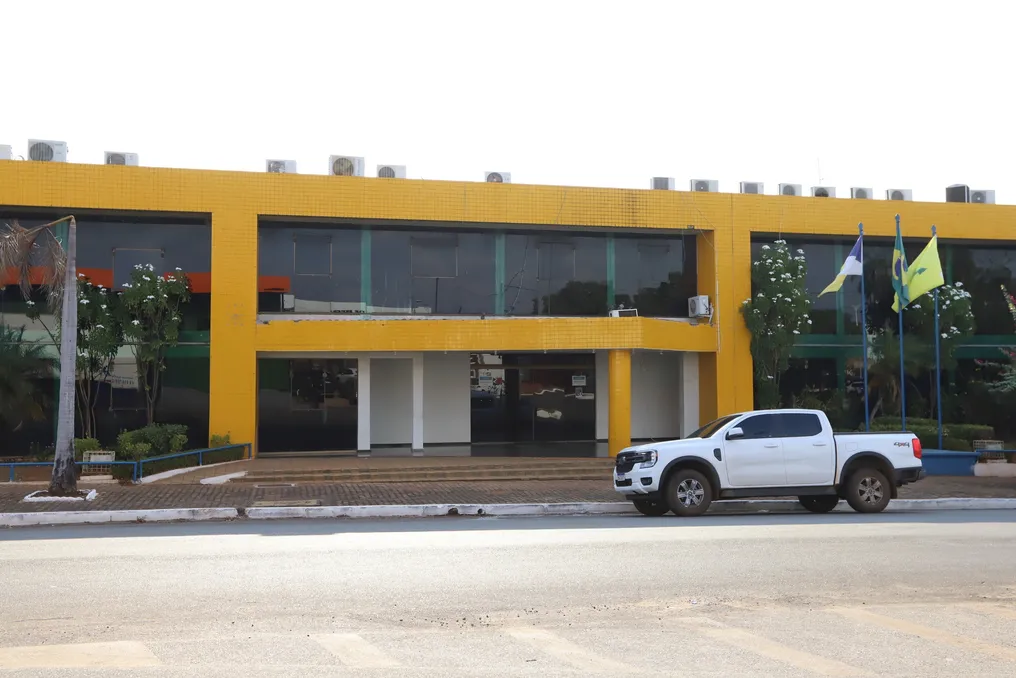
A municipal decree determined the free use of public transport in Porto Nacional, located in the central region of the state. This new measure will take effect on November 9, 2026, and will cover weekdays, holidays, and weekends.
According to the city hall, to use the service, presenting an access card or any other type of document will no longer be required. The official decree was published in the October 23 edition of the Municipal Official Gazette.
The decision was made taking into account a financial and impact feasibility study, in addition to safeguarding the 'social right to transport and leisure provided for in the Federal Constitution of Brazil of 1988.'
The Porto Nacional City Hall announced that there will be two buses available to serve the city center: one in active operation and another kept as a reserve. It was assured that the transport service in the district of Luzimangues will continue to be offered normally.
The operation of the service will be conducted by the company JMT CONSULTORIA PROJETOS E LOCAÇÕES LTDA. The decree specifies that the expenses for this program will be covered by its own budgetary allocations or by municipal funds dedicated to urban mobility, if necessary. However, the municipality has not yet disclosed the total cost of the operation.
Regarding values, the city hall informed that the estimated costs for maintaining the service and its validity period will be communicated as soon as confirmation is received from the responsible sector. The monthly cost of the operation will also be disclosed after the ratification of the contractual values.
The municipality emphasizes that if a resource shortage is found, the collection of the fare may be reinstated. If this occurs, the value will be defined through technical studies on operational costs. Other circumstances that may lead to the resumption of charging include a persistent economic-financial imbalance in the transport system that threatens the quality or continuity of the service, or any change in the guidelines of the municipality's mobility or macroeconomic policy.