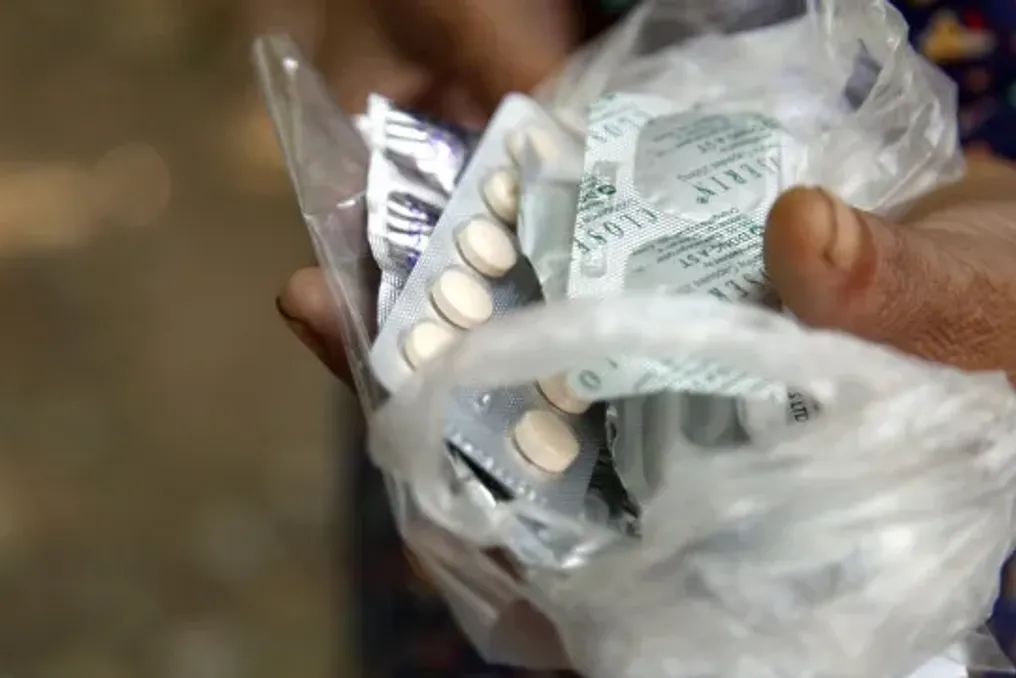
The Council of Ministers of Mozambique confirmed that the country has sufficient supplies of essential medicines for the next two years, despite persistent reports of drug and reagent shortages in various health units.
Inocêncio Impissa, spokesperson for the Council of Ministers, declared during the 31st ordinary session of the body, held in Maputo, that after receiving all requests, there will be no problems with the lack of basic medicines for at least the next two years.
Impissa informed that the first batch of medicines purchased by the health sector has already been received and that new shipments are expected soon. He admitted that temporary disparities in medicine availability may occur between provinces, districts, or health units due to the ongoing distribution process.
The spokesperson stressed that the overall supply of the system is guaranteed, adding that districts closest to the provincial medicine depot should already be receiving the items. The guarantee extends to vital medicines for the normal functioning of public health services and personal protective equipment, as requested by professionals.
The situation of interruption of health services in Mozambique, caused by frequent failures of essential medicines and supplies, occurs at a time of system fragility due to cuts in external funding, according to a report released in September.
This alert comes from a report by the Mozambique Health Cluster, a coordination platform for humanitarian assistance in the health sector, coordinated by the World Health Organization (WHO) and involving UN agencies and other entities operating on the ground, especially in Cabo Delgado, in northern Mozambique.
The document entitled 'Medicine Supply Chain in Mozambique: Ensuring Supply Amid Funding Uncertainty' points out that 79% of interviewed organizations reported constant or recurring absences of medicines and other crucial products in health units. Furthermore, half of these organizations indicated that such disruptions exceed one month.
Among the most affected items are antibiotics, analgesics, contraceptives, gloves, and wound dressings. Those responsible for the report warn that this scarcity not only leads to delays in care but often results in the complete paralysis of services for patients.
The study's authors advocate for greater articulation among donors, more stable funding for the entire medical supply chain, and support for migration to national funding sources, aiming to reduce dependence on external aid and ensure greater stability in population access to healthcare and medicines.