The number of housing aids provided to women who are victims of violence in the city of Campinas (SP) in the first nine months of 2026 has already exceeded the total amount recorded throughout all of 2025. According to information from the City Hall, 111 benefits were granted until September, compared to 108 benefits registered in 2025.
This growth is also visible in the financial resources allocated to the program. In the period from January to September of this year, R$ 1.23 million was committed, representing a 56% increase compared to the R$ 789.9 thousand accounted for throughout the entire previous year. These values include both new grants and renewals of aids.
The aid, established in July 2023, currently provides R$ 994 monthly to cover the costs of renting a residence. Its fundamental purpose is to ensure that women in domestic violence situations have a safe place to live, allowing them to break free from the economic dependence imposed by aggressors.
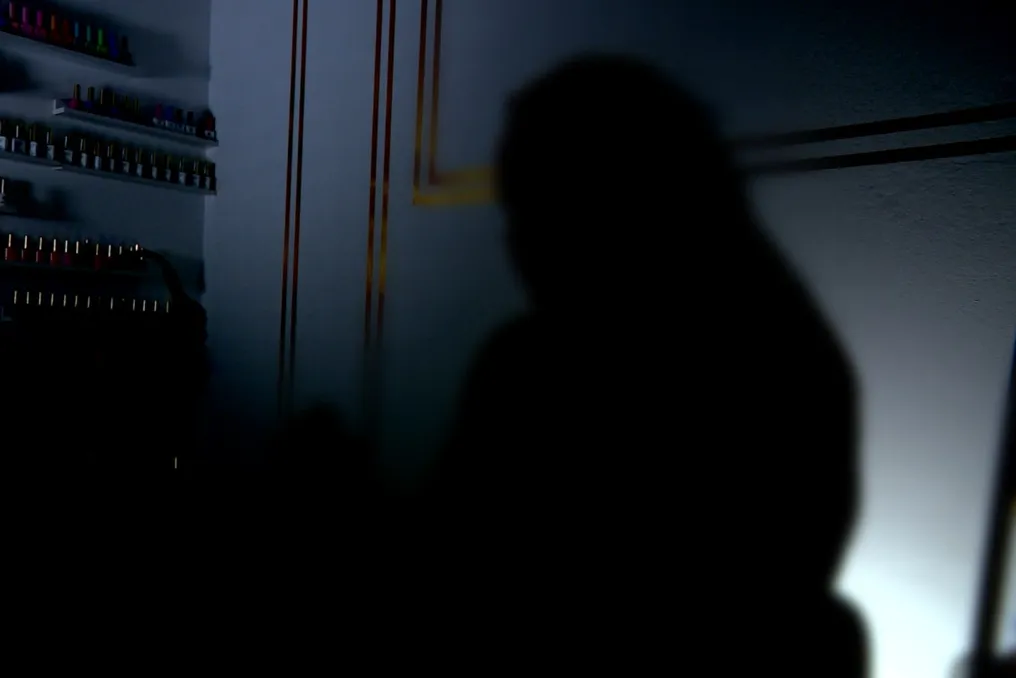
One of the beneficiaries, who chose to keep her identity confidential, reported that the support was crucial after her ex-partner destroyed the house where they lived, as well as her son's toys and the materials necessary for her work.
She described the history of abuse: 'There were many ups and downs, many physical and emotional aggressions. And then, one day, I discovered an affair and decided to end the relationship. He didn't accept it and broke down my entire house.'
'Leaving is difficult, not returning is even more difficult.'
The woman mentioned that she had just acquired the furniture for the rented apartment when she made the decision to end the relationship. In addition to damaging family belongings, the ex-partner destroyed all the items she had bought to set up her professional service space. She stated: 'He broke his own son's toys. What little remained was a mattress and a sofa. I was still furnishing a space that would be my service area, and he broke everything. So I left without even having a way to work.'
Without a source of income and with childcare responsibilities, she had to find a solution to avoid returning to the aggressor. It was then that she learned about the existence of the housing aid. She declared: 'I wouldn't have been able to stay somewhere with the children if I hadn't known about this aid, if someone hadn't told me it existed.'
According to her account, financial instability is one of the biggest barriers faced by women trying to leave abusive relationships. She pointed out: 'Our biggest difficulty in leaving the relationship is precisely this: thinking about what I will do, where I will stay, what I will eat, what I will give the children to eat.'
She added that she needed the help of third parties to overcome emotional dependence and prevent returning to the aggressor. 'It's not easy, it's very difficult, because such great psychological violence enters that you understand you are dependent on that man,' she stated.
Currently, after rebuilding her career, she expresses hope that other women understand that they do not need to face violence alone. 'When you have a direction, you can understand that you are not alone. Today I can already live from my work and manage to start over and remake myself. [...] Leaving is difficult. Not returning is even more difficult. Starting over is hard, but it is not impossible.'
Increase in Benefits
Since the beginning of its operation, in the second half of 2023, the program has shown an annual increase in the number of grants. Data provided by the Campinas City Hall indicates that the amounts considered include both new grants and benefit extensions.
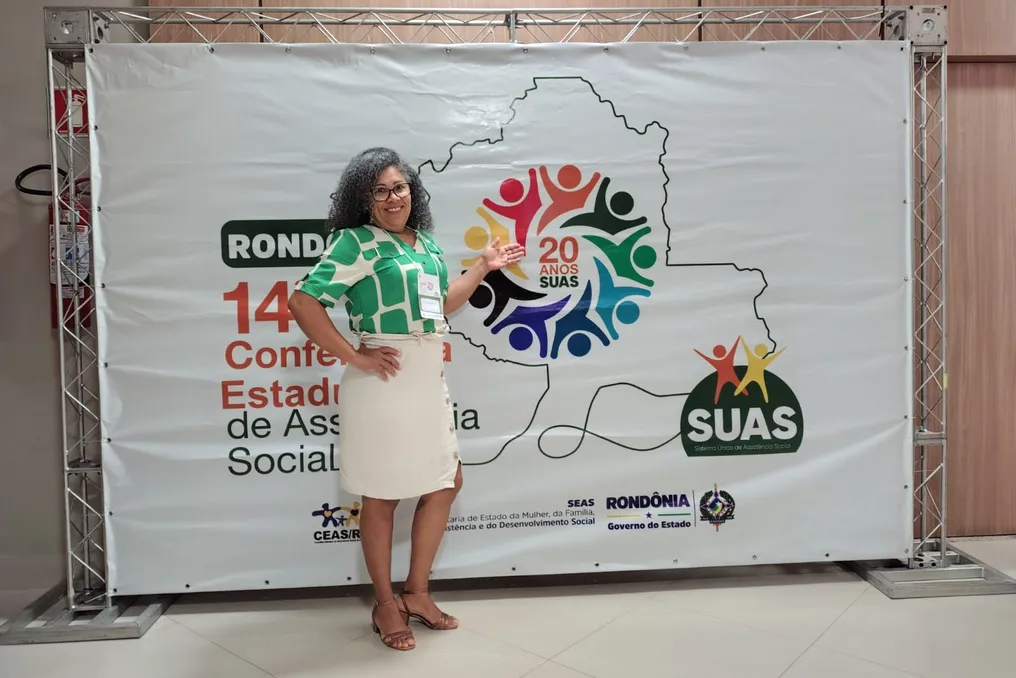
Vandecleya Moro, Secretary of Development and Social Assistance of Campinas, attributes this growth to the greater perception of rights by women and the better structuring of the protection network. She emphasized: 'Every woman who has access to housing aid is a life saved, a family saved. We know that most of these women have young children.'
How to Obtain Aid
The housing aid is exclusively intended for paying residential rent. According to the City Hall, the program aims to ensure that women can leave the environment of violence without being left unattended.
To apply for the benefit, the following requirements are required: residing in Campinas; being in a situation of violence; presenting a police report, either in person at a police station or through the Electronic Police Station; and seeking a Specialized Reference Center for Social Assistance (Creas) or, if sheltered in a shelter, requesting the aid through that service.
The secretary clarified that social assistance teams can assist the woman in registering the occurrence and forwarding the request. The benefit is initially granted for six months and can be extended for another six months if the professionals responsible for monitoring determine that the support is still necessary. The amount is reviewed annually.
In addition to financial support for rent, beneficiaries receive social assistance monitoring, psychological counseling, and guidance toward professional training programs and employment opportunities. Vandecleya explained: 'It is not just financial aid, which is very important. This woman undergoes monitoring by social assistance, by social assistance psychologists, and is referred to professional qualification programs and also to the job market, if she wishes.'