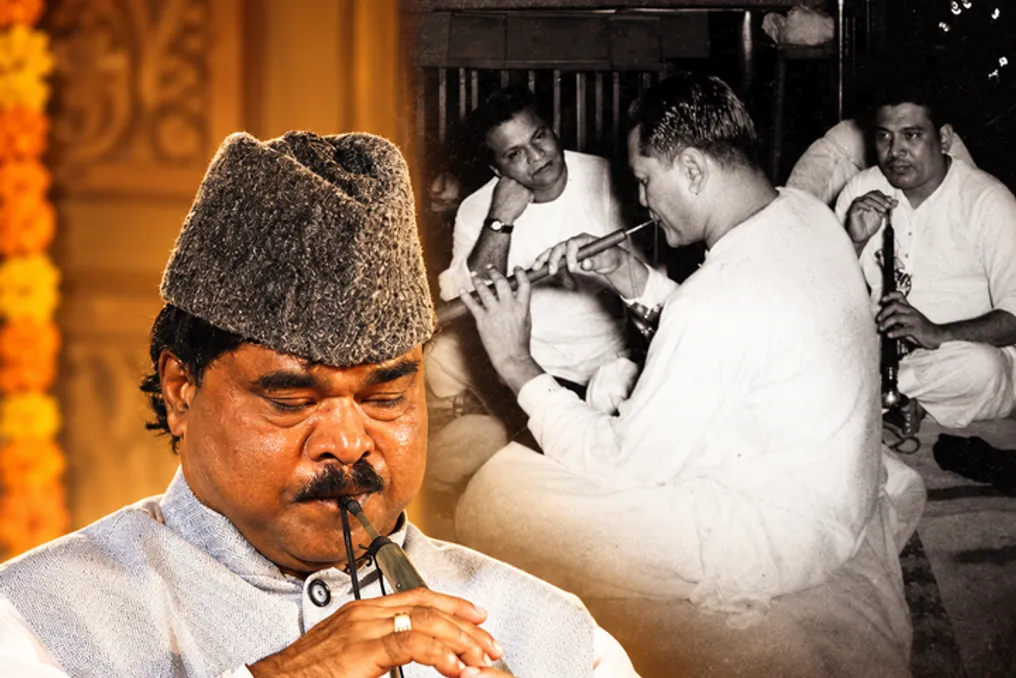
The shehnai was once an integral part of wedding celebrations across India. However, with the rise of electronic keyboards, live performances have begun to fade. Pandit S. Ballesh Bhadjanthri has dedicated decades to finding new methods to preserve the sound of this instrument.
He was born into a family of shehnai performers in Karnataka and initially studied under his father before training with the legendary Ustad Bismillah Khan. The latter played Raga Kafi at the Red Fort on August 15, 1947, during India's independence celebration.
Ballesh took the shehnai beyond wedding mandaps and classical concerts, integrating it into Indian cinema. He contributed to over 85,000 songs for films in 16 languages, collaborating with composers such as A. R. Rahman and Ilaiyaraja, thereby presenting his unique sound to millions of listeners.
It is possible that people heard his music without knowing his name; Ballesh performed the introductory shehnai passage in the song 'Yeh Jo Des Hai Tera' from the film 'Swades', conveying the instrument's emotion in a song listened to by an entire generation.
In addition to his work in the film industry, Ballesh founded the Tansen Academy of Music Trust to promote traditional music, train young musicians, and support needy artists. In 2022, he was awarded the Padma Shri for his contribution to the field of music.
Nevertheless, the future of the shehnai cannot depend solely on the legacy of one musician. It depends on whether young artists choose to learn the instrument, whether they have opportunities to earn a living through performances, and whether they find an audience willing to listen to this music. Ballesh has spent decades ensuring that the shehnai continues to resonate.