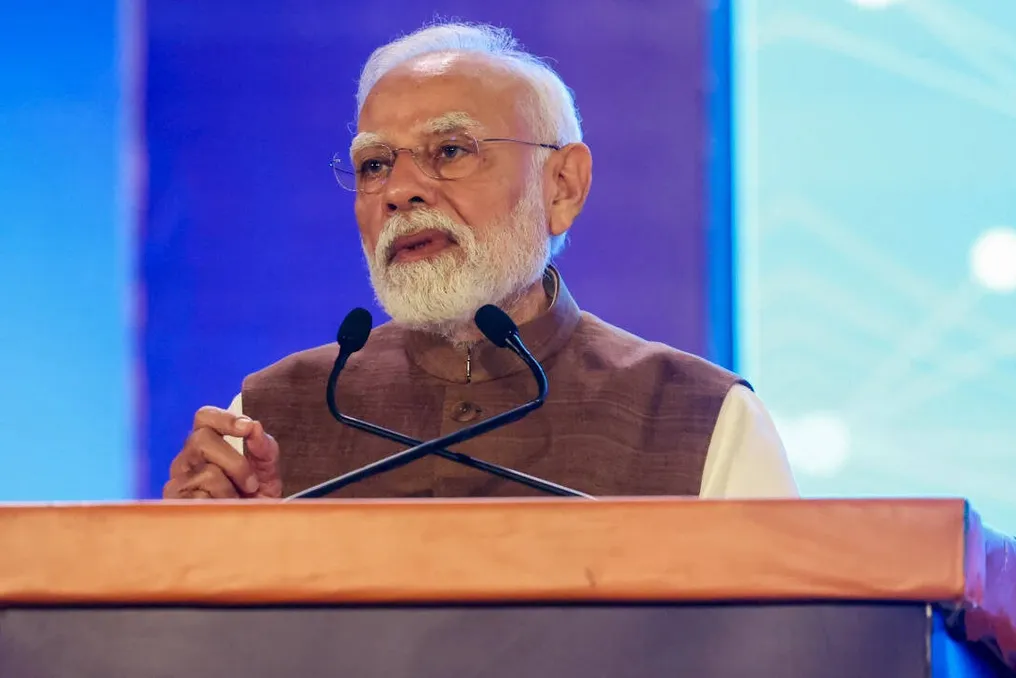
The Beijing scientific dialogue concluded on Wednesday with the adoption of the Beijing Scientific Declaration, which establishes eighteen commitments aimed at strengthening international scientific interaction and shaping the future of science after 2030.
This document was organized by the International Science Council (ISC) and the China Association for Science and Technology (CAST). The Declaration outlines general priorities for the global scientific system, which must be open, inclusive, and collaborative, while serving the interests of people and the planet.
The Declaration affirms that science is a common human endeavor, and its benefits should be accessible to all. It calls for strengthening international research networks, more equitable access to scientific resources, principles of open science and data sharing, as well as protecting scientific freedom and research integrity.
As the global community prepares a new global sustainable development agenda beyond the UN Sustainable Development Goals by 2030, the declaration emphasizes the importance of scientific knowledge and evidence in policymaking. It also notes the need for cross-country and interdisciplinary cooperation to address interconnected issues such as climate change, biodiversity loss, food security, and new technologies.
The Declaration calls for establishing common norms and governance frameworks for Artificial Intelligence (AI) in research. The goal is for AI usage to contribute to human well-being, sustainable development, and the public interest. Special attention is paid to the importance of scientific integrity, transparency, accountability, and scientific data, while calling for international cooperation to prevent the widening of the digital divide due to AI.
Furthermore, the document insists on strengthening the link between science and society through education, popular science communication, and public engagement. Researchers must be able to convey uncertainty, distinguish scientific judgments from value choices, and work with media and other social groups, making scientific knowledge accessible and useful to the general public.
The Beijing scientific dialogue, held from October 19 to 21, gathered over a thousand representatives from more than 80 countries and regions to discuss topics such as science as a public good, responsible AI, and the relationship between science, society, and trust.
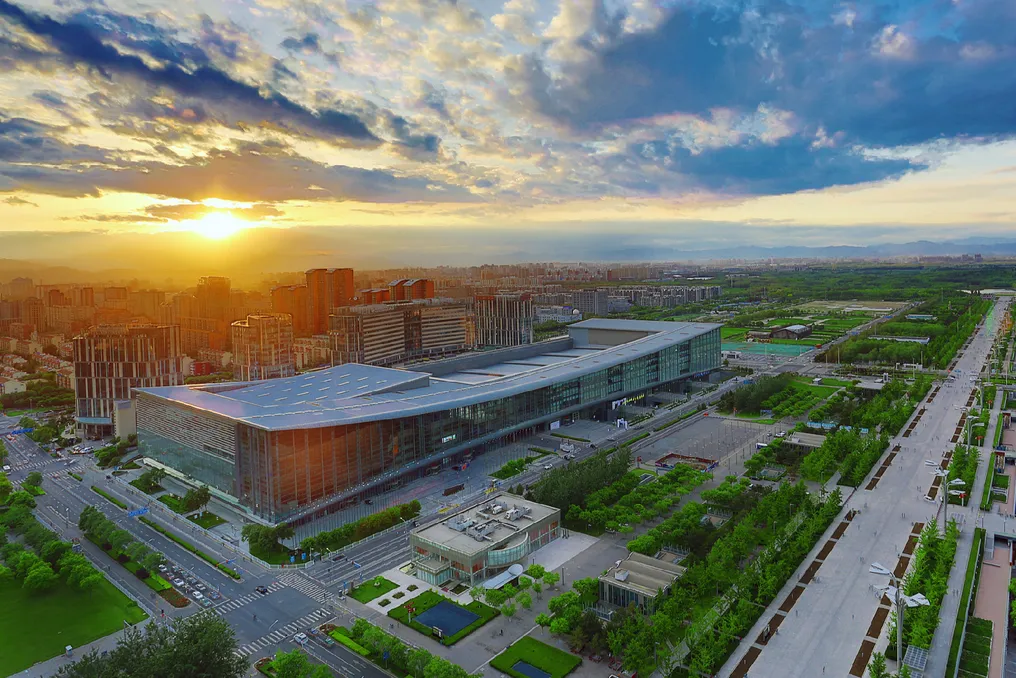
The event also highlighted China's role in international scientific cooperation. Beijing's scientific infrastructure and open innovation environment provide scientists from around the world with opportunities to exchange experience, data, and equipment. Through the convergence of researchers and scientific organizations across borders, the dialogue aimed to transform shared priorities into practical cooperation.
In conclusion, the declaration calls on the international community to build a fairer and more robust global scientific system that enhances science's contribution to peace, as well as sustainable and resilient development.