Tashkent hosts Tracks to the Future forum to discuss trade and investment between Europe, Central Asia, and China
Read more
UzDaily
uzdaily.uz

Tashkent hosts Tracks to the Future forum to discuss trade and investment between Europe, Central Asia, and China

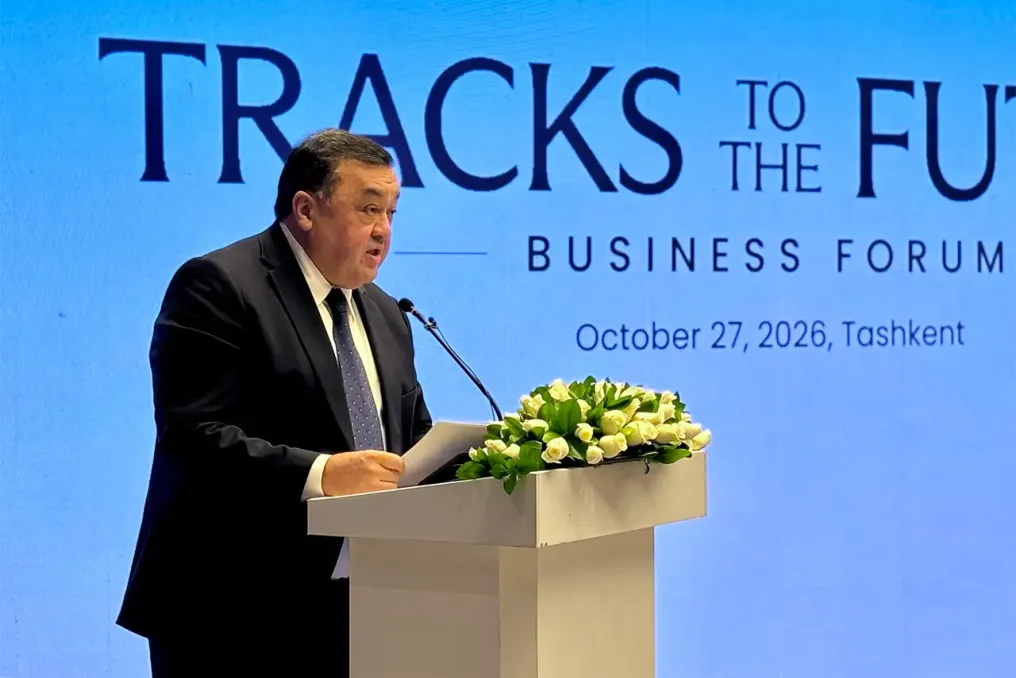
The international business forum Tracks to the Future took place in Tashkent on October 27. The event gathered representatives of business, experts, and officials to discuss issues of trade, investment, and transport links between Europe, China, and Central Asia.

The forum was organized by the Ministry of Investment, Industry and Trade of Uzbekistan together with the organization Global Neighbours. Participants included Ilzat Kasymov, Deputy Minister of Investment, Industry and Trade of Uzbekistan, as well as Jovanka Porsche, founder and chairman of Global Neighbours, alongside representatives from the business and expert communities.

One of the central issues raised at the forum was the investment potential of Uzbekistan. Participants also reviewed the country's current economic reforms and opportunities for expanding industrial cooperation.

The agenda covered the development of transport infrastructure, the digital economy, and innovation. These areas were discussed in the context of strengthening business ties between Europe, China, and Central Asia.

The forum program included a thematic round table conference and 'business-to-business' (B2B) meetings between companies, as well as 'government-to-business' (G2B) meetings involving state institutions and enterprises. The goal of these sessions was to establish direct business contacts and explore prospects for practical interaction.

The final statement of the forum did not contain information about any specific agreements, investment projects, or arrangements reached by the participants.

Similar stories

International Innovation Week InnoWeek–2026 Opens in Tashkent with Participation from Representatives of Over 30 Countries
Read more
uzdaily.uz

International Innovation Week InnoWeek–2026 Opens in Tashkent with Participation from Representatives of Over 30 Countries

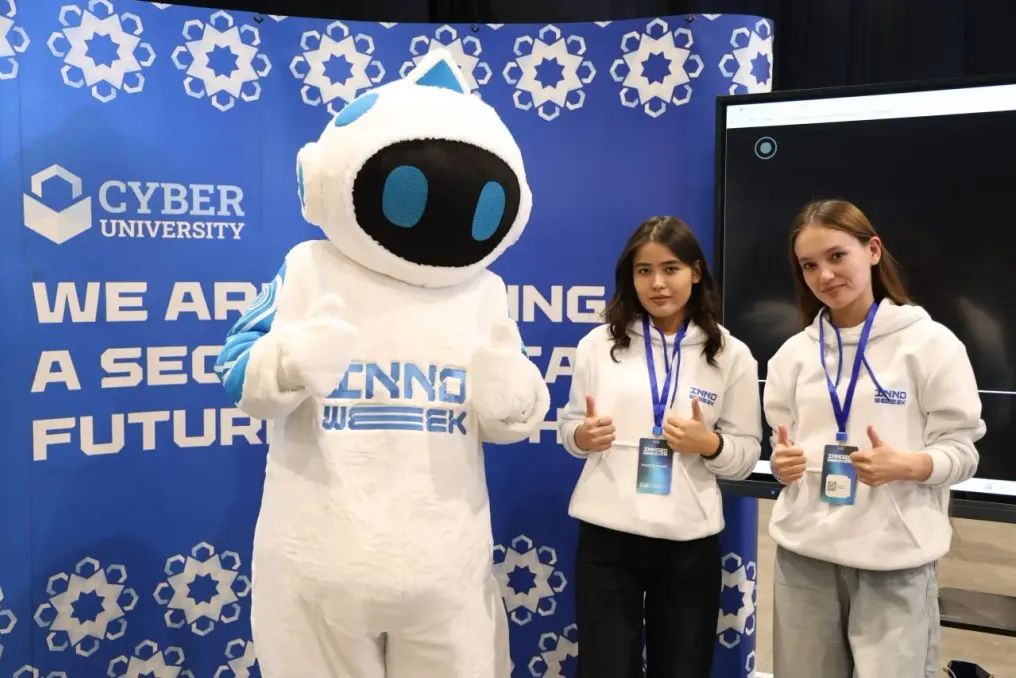
The international innovation week InnoWeek–2026 has started in Tashkent, Uzbekistan. The event gathered representatives of the scientific community, technology companies, startup ecosystems, and investment organizations from over thirty countries.

Over three days, participants will demonstrate scientific achievements, advanced technologies, and promising business projects, as well as discuss opportunities for international cooperation. The conference is held under the slogan 'Innovation for a Changing World' and is organized by the Agency for Innovative Development under the Ministry of Higher Education and Science of Uzbekistan.

The opening ceremony was attended by Oibek Yuldoshev, the First Deputy Minister of Higher Education and Science, representatives of state agencies and diplomatic missions, university and research center leaders, scientists, technical experts, young inventors, entrepreneurs, and investors.

Speakers emphasized the significance of InnoWeek in the process of transitioning from research to production, developing value chains, and unlocking the country's innovative potential. Special attention was paid to aligning scientific research with real economic needs, more effective utilization of domestic scientists and research institutions, and the implementation of modern technologies.

This year, the event features broad international coverage. Approximately 200 delegates from more than 30 countries are participating, including Japan, China, South Korea, the USA, Canada, Italy, the United Kingdom, Germany, France, Switzerland, India, Singapore, Turkey, Kazakhstan, and Kyrgyzstan.

Participants include representatives from about 50 international companies, universities, research centers, venture capital funds, financial institutions, and other partner organizations. The goal of the event is to promote experience exchange, strengthen scientific and technical ties, and seek prospects for joint projects.

One of the key events is the exhibition of innovative developments, covering an area of over 15,000 square meters. It features 265 exhibitors, including 225 local and 40 international participants. The exhibition is divided into 12 thematic sections and includes 240 stands showcasing 750 innovative products.

Universities, research organizations, innovative enterprises, spin-offs, and early-stage startups present their developments alongside the Yashnabad Technopark and regional youth technology parks. Participants of the World Bank project MUNIS, as well as inventors and innovators, are also represented.

Exhibitors from China, South Korea, Japan, Malaysia, the United Arab Emirates, Iran, Germany, Hungary, and Kazakhstan are demonstrating their technological solutions. The exhibition provides an opportunity to compare local developments with global practices and establish new business contacts.

The InnoWeek–2026 program includes 21 events in various formats. These consist of six international and national forums, five award ceremonies, three sessions, two Demo Days, two presentations, one conference, as well as two scientific discussions and round tables.

During the meetings, scientists, researchers, entrepreneurs, and investors will discuss the practical application of research, technology commercialization, and the promotion of new projects. B2B negotiations will play a significant role, giving local companies a chance to connect with foreign partners, discuss mutually beneficial proposals, and explore joint initiatives.

Such connections are critically important for strengthening the interaction between science and industry, bringing innovative products to the market, and expanding international business relations.

The program includes an initiative to strengthen the technical base of educational and research institutions. It is planned to donate 50 tractors manufactured in South Korea, which run on compressed natural gas, a cleaner fuel.

The event is also focused on supporting scientists, inventors, researchers, and young innovators. Awards will be presented to winners of the contests '100 Best Regional Innovation Projects' and 'Best University Inventor', as well as intellectual activity contests. Recipients of the 'Leader of Innovative Ideas' badge will also be recognized.

These steps aim to stimulate research, popularize invention, and increase youth interest in scientific and technical creativity. Organizers have also prepared interactive zones for visitors: the venue includes a children's area, a virtual reality space with virtual tours, and zones with innovative entertainment games. Thus, visitors can not only learn about modern technologies but also personally experience their possibilities.

InnoWeek–2026 aims to strengthen ties between science, education, industry, and business. Demonstrating new developments, conducting direct negotiations with potential partners, and discussing commercialization mechanisms are intended to help turn scientific ideas into market-demanded products and technological solutions. For Uzbekistan, close interaction between these sectors is crucial for enhancing the competitiveness of domestic innovations, developing innovation-based entrepreneurship, and attracting international partners to joint projects. The International Innovation Week will run until October 29.
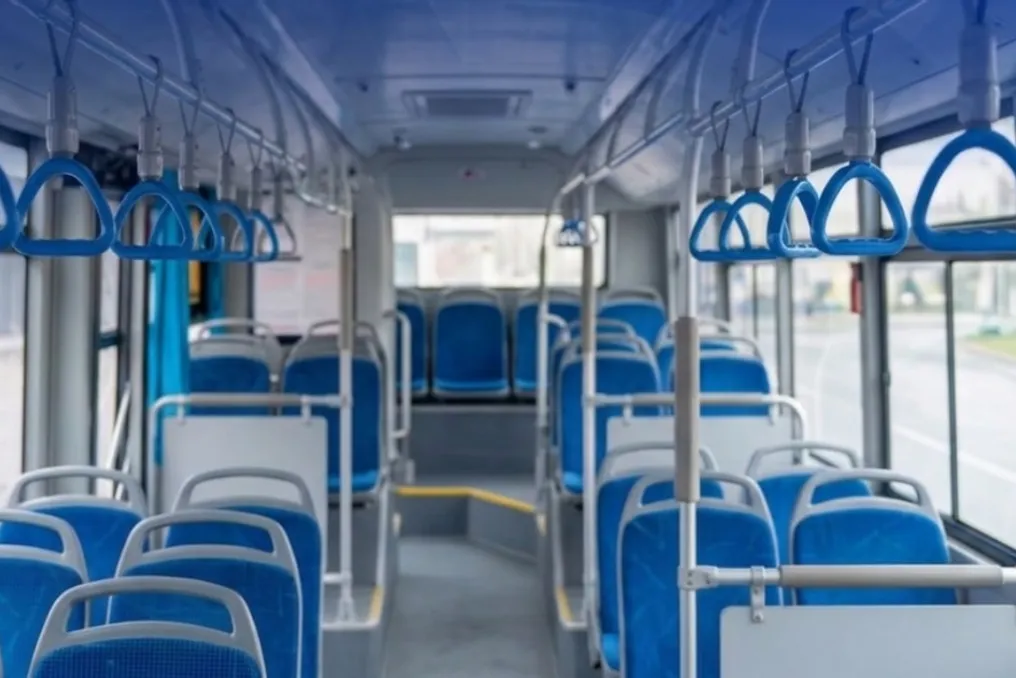
New bus routes will be launched in Tashkent region connecting Nazarbek and other districts with the capital
Read more
podrobno.uz

New bus routes will be launched in Tashkent region connecting Nazarbek and other districts with the capital

Residents of Nazarbek and adjacent territories will find it easier to travel to Tashkent thanks to the planned launch of new bus routes. These routes will provide connections between the Tashkent and Zangiati districts with the capital.

According to information provided by the Main Directorate of Transport and Road Transport Infrastructure Development of Tashkent, the new lines will operate based on a gross contract system that takes into account the actual number of passengers.

New routes and their directions

The following routes have been introduced: Route No. 162, which will run between Kushkundi mahalla and the Chorsu trade center bus station; Route No. 163, connecting Tekstilschiki mahalla with the Chorsu trade center bus station; and Route No. 167, linking the 'Tashkent' collective farm with the Chorsu trade center bus station.

Special emphasis is placed on Route No. 163. It will pass through Tekstilschiki mahalla, Nazarbek, and the Tarnov territory, as well as along Shifobakhsh Suvlar and Beruni streets.

Representatives of the department believe that the introduction of these routes will improve transport accessibility for residents of the Tashkent and Zangiati districts when traveling to the capital. Furthermore, this should contribute to reducing bus waiting times and achieving a more balanced distribution of passenger flow.

To ensure the operation of the new lines, 54 buses manufactured in China by ZHONGTONG are planned for use. These buses are expected to arrive by the end of November 2026. It was previously noted that the coverage rate of mahallas by public transport in Uzbekistan has reached 98.8%.

Tashkent hosts CSS 2026 cybersecurity summit with participation of over 600 delegates
Read more
uzdaily.uz

Tashkent hosts CSS 2026 cybersecurity summit with participation of over 600 delegates

The International Cybersecurity Summit of Central Eurasia (CSS 2026) took place in Tashkent from October 5 to 7, gathering over 600 participants from more than 30 countries. Delegates discussed the protection of critical infrastructure, the security of digital systems and businesses, as well as new threats associated with technological progress.

The event was organized by the Uzbekistan Cybersecurity Center in collaboration with the British company Dialogue Events. The summit served as a platform for exchanging international experience, discussing modern solutions, and strengthening professional ties among cybersecurity specialists.

Topics discussed included the changing nature of global cyber threats, methods for protecting information systems and personal data, and the secure use of digitalization opportunities. Participants emphasized the importance of international cooperation, noting that cyberattacks can affect organizations and states beyond their original territory.

Benedict Boreyted, Deputy Director of the Department of Peace, Stability and Security of the French organization Expertise France, presented the organization's experience in implementing cybersecurity projects in Uzbekistan and other Central Asian countries. She noted that this was her second participation in the summit and stressed that holding an event of this scale in Uzbekistan demonstrates growing interest in discussing modern solutions in this field.

Boreyted highlighted that interaction between Europe and Central Asia allows for the pooling of knowledge and experience from different countries, adapting effective solutions to local conditions. In her opinion, the global nature of cyber threats requires coordinated approaches and close interaction.

Elman Muradov, representative of the National Cybersecurity Agency of Azerbaijan under the Ministry of Digital Development and Transport, also noted the importance of the forum as a platform for exchanging views and professional experience between specialists from Central Asia and other regions.

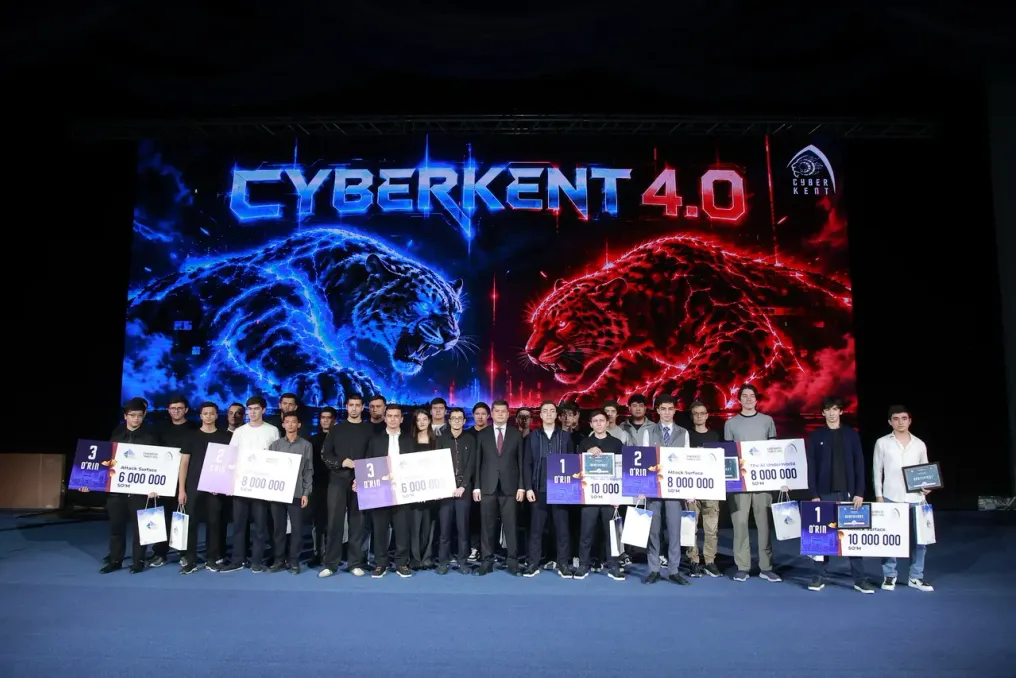
One of the key events of the summit was the Cyberkent 4.0 competition, which took place on October 5–6. The goal of the competition was to test the practical skills of participants, identify talented specialists, and increase youth interest in cybersecurity. The competition attracted over 2500 participants and guests.

The competition program covered seven areas: Red Team, Blue Team, open tasks, CyberQuiz competition, Bug Bounty, Cybermergan, and the Cybermuloqot seminar/training. In the Red Team competition, participants performed tasks related to system security testing and vulnerability identification. For this, the organizers prepared the Cyberkent model, recreating an environment based on 24 real addresses, which allowed for simulating scenarios similar to practical information system security assessment conditions.

Blue Team participants, in turn, practiced defending virtual infrastructure, detecting cyberattacks, preventing incidents, and mitigating their consequences. These tasks required technical competence, rapid analysis, and coordinated teamwork. The international format of the competition facilitated experience exchange with colleagues from other countries.

Belarusian representative Alexey Tsymbalau noted that the cross-border nature of cyber threats makes professional contacts and joint efforts particularly important. He reported that two Belarusian teams participated in the competition this year, gaining the opportunity to test their skills and acquire new experience.

Kuyoshbek Mirzakamolov, Head of Information Security at Enersok and Chief Information Security Officer (CISO) of the company, who attended the summit for the second time, emphasized the need to unite specialists to find solutions to emerging threats, including those related to artificial intelligence development. He also pointed out the practical value of Red Team and Blue Team scenarios for checking security measures and preparing for potential attacks.

Other activities of Cyberkent 4.0 included the CTF Master open task, which tested participants' technical knowledge and problem-solving skills, and The AI Underworld, dedicated to analyzing threats and attack scenarios using artificial intelligence. In the Attack Surface AI category, participants identified potential vulnerabilities in AI-based systems and assessed their security. The Bug Bounty category focused on vulnerability discovery. CyberQuiz allowed participants to test their knowledge in cybersecurity and interact with industry representatives. Over 200 prizes, including souvenirs, were awarded to CyberQuiz participants. Cybermergan consisted of game challenges testing accuracy and reaction speed. The Cybermuloqot seminar and training were designed to facilitate experience exchange between young participants and industry professionals.

The combination of discussions on international approaches to cybersecurity and practical skill testing within CSS 2026 and Cyberkent 4.0 aimed at developing the professional community, strengthening cooperation, and preparing specialists to counter modern digital threats.

Popular