The State Secretary for Tourism of Cape Verde stated that the priority for the tourism sector is ensuring connectivity between islands so that tourists can move freely throughout the country.
José Pimenta Lima noted during a panel discussion at the 2nd Forum of African Portuguese-Speaking Business, concluding in Cape Verde, that the main goal is to enhance island connectivity. This will allow for the redistribution of the entire flow of visitors arriving at the two main centers of the country—Sal and Boa Vista—where most hotels are concentrated.
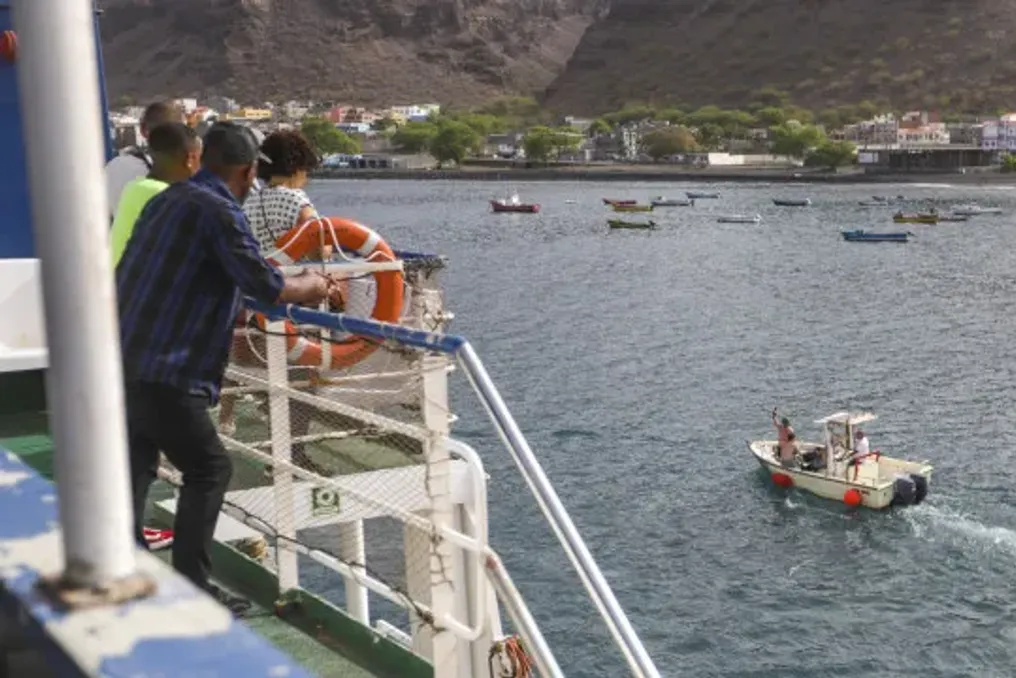
The country, consisting of ten islands (nine inhabited), faces chronic difficulties in maintaining reliable domestic air and sea routes, despite repeated government promises to resolve these issues.
Simultaneously, the government advocated for creating proposals that attract tourists to other islands, as the number of self-guided travelers is growing alongside the expansion of low-cost flights.
Lima cited sport fishing as an example of an activity that attracts visitors with high economic potential. Diversification across islands is considered a critically important measure for evenly distributing income throughout the archipelago.
The State Secretary emphasized that Cape Verde aims not only to increase tourism but also to ensure that more benefits from tourism return to the country itself.
António Baptista, Minister of Economy, added that the country is at a 'turning point,' and tourism can no longer be viewed solely as attracting guests. He specified: 'Tourism is not people; it is a flow of consumption, money that circulates.'
Cape Verde is demonstrating tourism growth, reaching a record of 1.25 million visitors in 2025, and this sector accounts for 25% of the gross domestic product (GDP). However, other sectors, such as agriculture, are not keeping pace to meet the regular needs of hotels.
Baptista noted that the current task is to organize local content so that producers understand the required quality level, while the state must provide incentives.
According to António Baptista, the ultimate goal is to achieve a 'virtual circle' in the economy, where tourism generates revenue for the state treasury through direct taxes and also enriches the pockets of workers who spend money in local shops.
Due to the growth in tourism, especially on the islands of Sal and Boa Vista, where resorts and most visitors are located, there is huge demand for infrastructure and labor.
Pimenta Lima announced that the government is preparing housing programs for sector workers arriving from other islands, as well as strengthening water and energy supplies, since these resources may soon become insufficient.
Both government representatives pointed to public-private partnerships as one way to finance investments. Albert Pascual, Director of Institutional Relations for the hotel group RIU, stated that 'public-private cooperation in Cape Verde works, but it does not work in Spain.'
Infrastructure is one of the four pillars, he said, that justifies the brand's investment in the archipelago, alongside location, culture, and security (institutional and political).
The African Portuguese-Speaking Business Investment Forum, which began on Monday and concludes today on the island of Sal, is organized by the IFC, a World Bank Group member focused on the private sector. According to updated IFC data, over the past five years, this organization has mobilized approximately $1.2 billion (about one billion euros) in 10 projects in Portuguese-speaking African countries.