Chery seeks to intensify its presence in the Brazilian market. Following a previous initiative in 2014, which involved building the plant in Jacareí (SP) and was later taken over by Caoa but ultimately terminated, the Chinese conglomerate wishes to operate in Brazil autonomously.
This independent operating plan began just over a year ago with the launch of the Jetour, Omoda, and Jaecoo brands. Additionally, Chery plans to bring the iCAUR and Lepas models to Brazil, scheduled for 2027 and 2028, respectively.
However, the company recognizes that it cannot limit itself to being merely a Chinese importer. Due to the protectionist barriers imposed by Brazil, Chery understands that establishing local production is crucial, adapting its products to national tastes using Brazilian engineering, and expanding its catalog, including pickup trucks.
CEO Statements on Strategy in Brazil
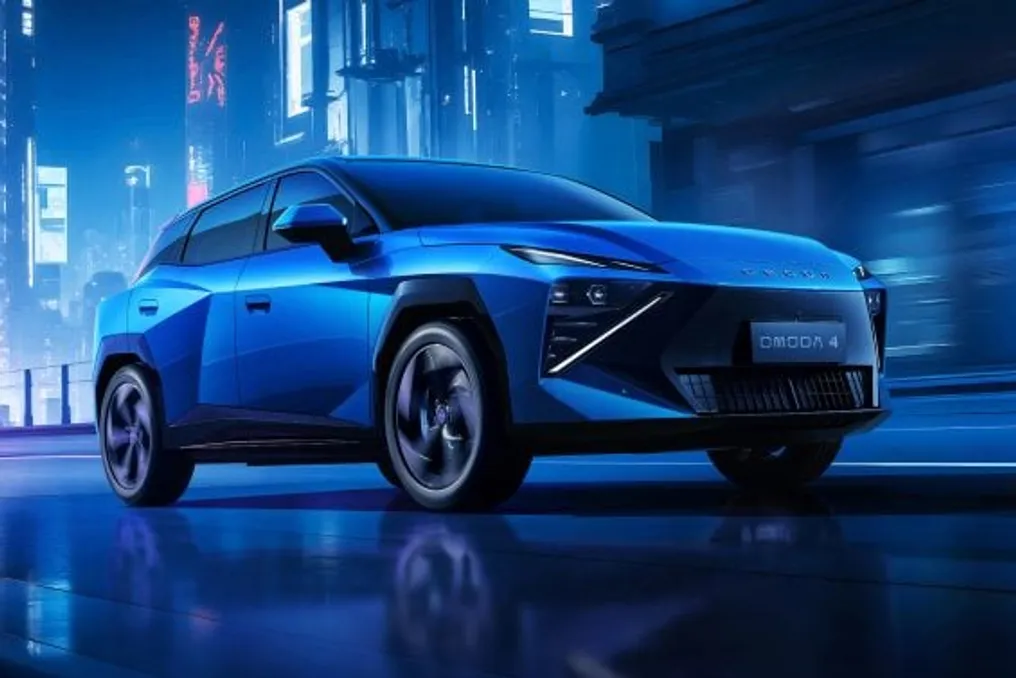
Guibing Zhang, the company's global CEO, confirmed during a press conference held at the company's headquarters in Wuhu, China, the launch of seven new vehicles equipped with flex hybrid powertrains. Among these models is the Omoda 4, which incorporates extended-range electric vehicle (REEV) technology. This compact SUV, comparable in size to the Volkswagen T-Cross, is expected to arrive in the first half of 2027 and is anticipated to be one of the first models assembled in the country.
The Chery Group is negotiating with Jaguar Land Rover for the use of the plant located in Itatiaia (RJ), which has been inactive since the end of the first half of the year, aiming to start its manufacturing activities in Brazilian territory. This is because the Chery vehicles currently assembled in Brazil, in Anápolis (GO), are the responsibility of Caoa.
Zhang considers automotive manufacturing in Brazil fundamental to ensuring sustainable growth, increasing competitiveness, and enabling specific projects for the domestic market. Despite this expressed interest, executives have not disclosed details regarding the location or timeline for establishing a factory in Brazil.
The Chery leader immediately dismissed the idea of developing a product entirely exclusive to the region. The group will maintain a global portfolio but will make necessary adjustments to comply with legal requirements and meet the preferences of each market.
Chery intends to increase the participation of the Brazilian team in research and development to assist in vehicle adaptation. History has shown that simply replicating a car sold in China is not sufficient, citing the failure of the national Celer model. Therefore, Zhang stated that strengthening local engineering will help calibrate engines, refine drivability, and select equipment more appropriate for the Brazilian consumer.
According to the executive, a priority goal for the Chery Group is to expand its dealership network. The reasons for this are clear: Chery currently operates with three brands—Omoda, Jaecoo, and Jetour—and plans to launch the iCAUR in the first quarter of 2027, in addition to preparing the arrival of the Lepas, which will be positioned as a premium line in Brazil. The plan is to raise the number of stores from 110 to 150 by the end of the year, exceeding 200 points with the inclusion of the new brands.
When questioned about the possibility of selling pickup trucks in Brazil, Zhang indicated that there are options in the brand's portfolio, given that it has pickup trucks in the Chinese market and already exports them to places like Australia. He mentioned that the group is evaluating the viability of this product for the Brazilian market but did not specify what it would be or when it would occur. What is known is that the pickup truck would have electrified powertrain, combining a diesel engine with a plug-in electric module.