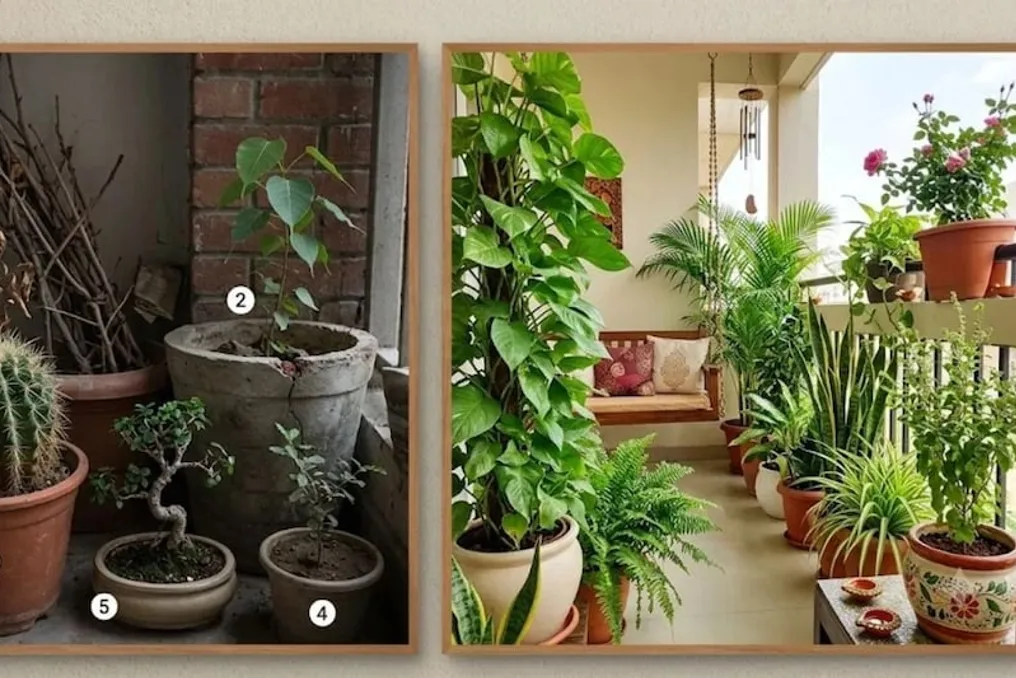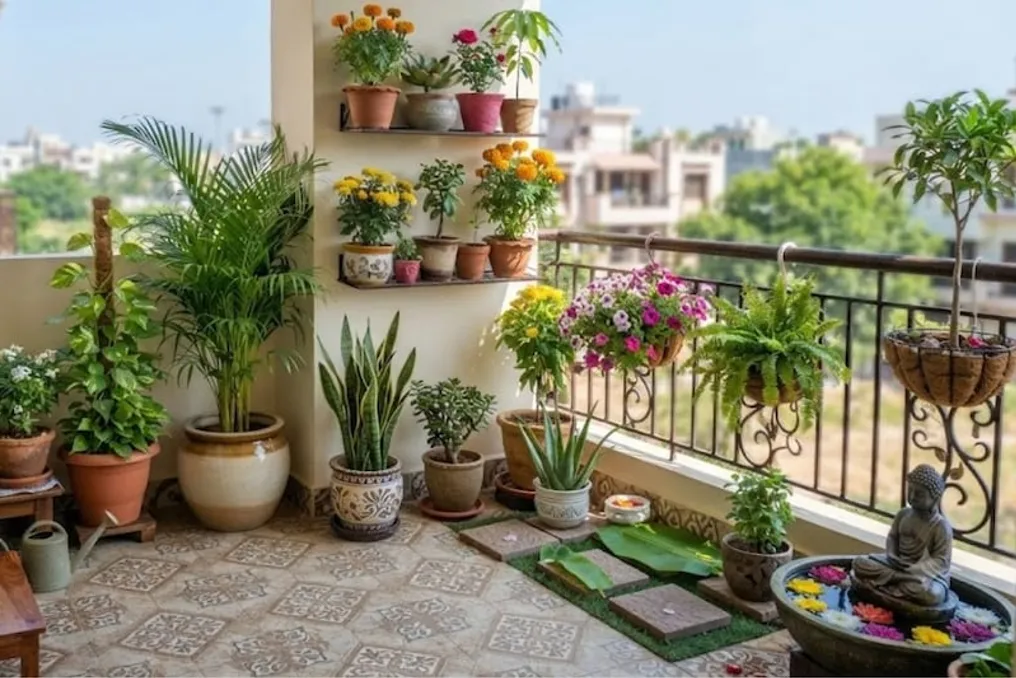
People often use various plants to decorate living spaces, whether it's greening balconies or decorating living rooms with houseplants. However, according to Feng Shui beliefs, some types of plants are not recommended for placement indoors because their shape, leaf type, and care can influence the overall atmosphere of the dwelling.
In the concept of Feng Shui, great importance is placed on the harmony of decoration and the balance of energy in the home. Therefore, those who enjoy gardening are advised to know which plants require caution and what the basis for such recommendations is.
Hydrangea is viewed within Feng Shui as a symbol of loneliness, disappointment, and isolation. For this reason, some prefer to place them on balconies or in gardens rather than inside the room.
Geranium, according to Feng Shui, may contribute to strengthening negative energy when kept indoors. To enjoy the beauty of its flowering clusters, it is advised to keep it on the roof, in the garden, or on the balcony.
Ivy and climbing plants tend to spread quickly and hang downwards. Some Feng Shui principles associate these characteristics with the decline of life energy and imbalance, so it is better to place them on exterior walls, gates, or pergolas, rather than inside the house.
There is a belief that poppies are associated with misfortune, sadness, and fleeting happiness. Due to their rapid wilting and historical cultural connections, there is an opinion that they should not be used for interior decoration.
Mistletoe has various interpretations in different cultures. In some traditions, it is considered a symbol of luck and love, while in some Northern European views, it is associated with death. It is important to remember that some parts of this plant can be poisonous if consumed.
Monstera is usually popular in homes. Nevertheless, some aspects of Feng Shui advise caution regarding its climbing vines. According to one version, having more than three such plants can disrupt the energy balance. Placement near a window or front door is considered favorable.
Snake Plant is valued for its benefit to air quality. However, in Feng Shui, its sharp leaves are sometimes interpreted as a sign of harsh or negative energy. Instead of complete removal, it is recommended to keep it near a window, on a balcony, or by the entrance.
Carnations are widely used in interior design. But some Feng Shui views indicate that keeping them indoors can negatively affect positive energy. Therefore, it is preferable to place them on the roof, in the garden, or on the balcony.
It is necessary to understand that opinions regarding Feng Shui may vary depending on specific traditions and expert views. Recognizing any plant as unfavorable does not mean it will necessarily bring bad luck into the home. When choosing plants, it is much more important to pay attention to their care, available light, placement, and ensuring safety. To keep the house looking clean and green, withered leaves should be regularly removed, and the health of the plants should be maintained.