With the arrival of winter, an abundance of cabbage and white cabbage becomes an integral part of winter dishes such as pies, salads, and fried snacks in markets. However, there is a way to avoid frequent trips to the market and harvest fresh cabbage right on your balcony at home.
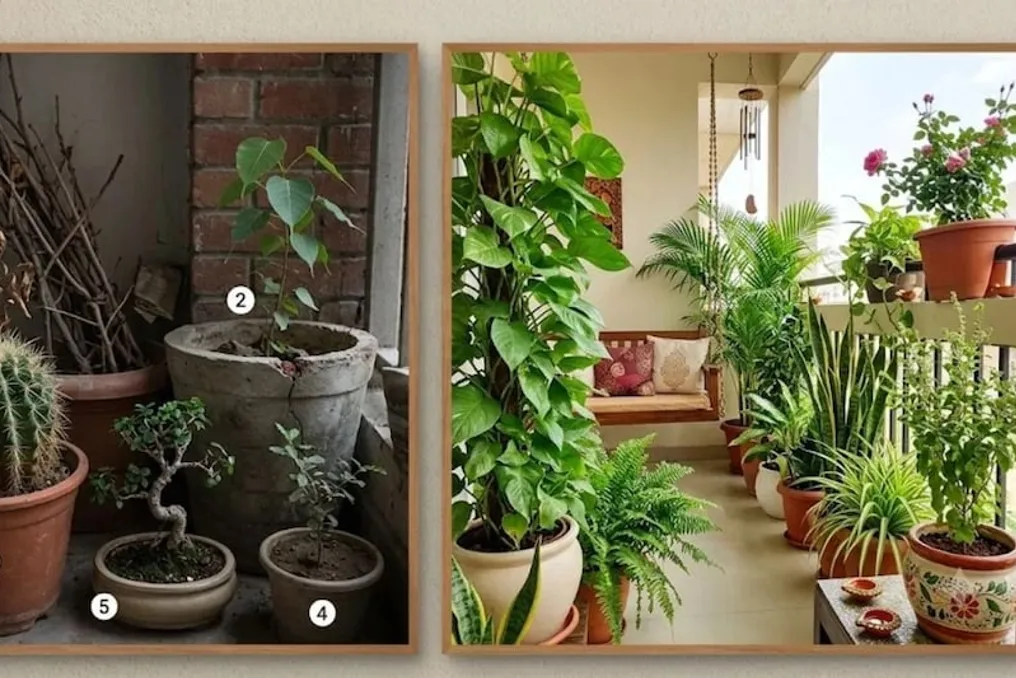
Growing cabbage at home is quite feasible, and it does not require a large garden or much free space. Even a small balcony is enough to use pots for growing cabbage. Furthermore, this process does not require expensive materials or long daily efforts; a properly chosen pot, good soil, sufficient sunlight, and some care are enough.
To plant a cabbage plant, you should choose a deep and wide pot measuring 12–14 inches. It is important to ensure that the bottom of the pot has drainage holes so that excess water does not stagnate. The absence of such holes can lead to waterlogging and damage to the plant's roots.
Next, you need to prepare the soil in the pot. For growing cabbage, it is recommended to mix garden soil with manure and a small amount of sand. This will provide the soil with nutrients and improve drainage. Looseness of the soil is extremely important for good cabbage growth.
After preparing the soil, the sowing stage begins. Seeds should be placed in the soil about 2 centimeters deep and then lightly covered with soil. After this, you need to water a little to maintain soil moisture. The pot should be placed in a spot that receives gentle sunlight. Usually, seeds begin to germinate after 7–10 days, and small sprouts appear. When the plants grow a little and develop true leaves, they should be carefully transplanted into a larger pot, providing them with enough space for full development.
Both sunlight and water are necessary for the growth of a cabbage plant. Therefore, the pot should be placed where the plant can receive about 4–5 hours of sunlight daily. If your balcony has enough sunlight, this can be a good option for growing cabbage.
There is no strict rule for watering cabbage plants; water should only be given when the soil feels dry. It is necessary to ensure that water does not accumulate in the pot, as this can damage the roots. Although maintaining soil moisture is important, overwatering should be avoided.
Insects that affect the leaves of cabbage plants can negatively impact their growth. Therefore, it is necessary to regularly inspect the leaves. If small insects or their traces are noticed, protective measures should be taken as soon as possible.
For plant care, you can use neem-based insecticide, following the instructions on the packaging. Additionally, it is important to remove dry and damaged leaves so that the plant remains healthy.
If you are wondering how long it will take to harvest after planting cabbage in a pot, it usually takes about 70–90 days. However, this period also depends on the variety of cabbage, weather conditions, and the quality of care.
Cabbage can be cut and used when its central part becomes sufficiently large and dense. It is important to harvest on time, as prolonged presence of the plant can lead to spoilage.
If you want the cabbage harvest not to be collected all at once but gradually, you can sow new seeds at regular intervals. This will prevent all plants from growing simultaneously and increase the chances of getting cabbage at different times. You can apply the method of planting new plants every 15 days. The main thing is to provide each new plant with a good place, sunlight, and proper care. In this way, you can create a small garden on your balcony and enjoy the taste of fresh cabbage grown at home in winter.