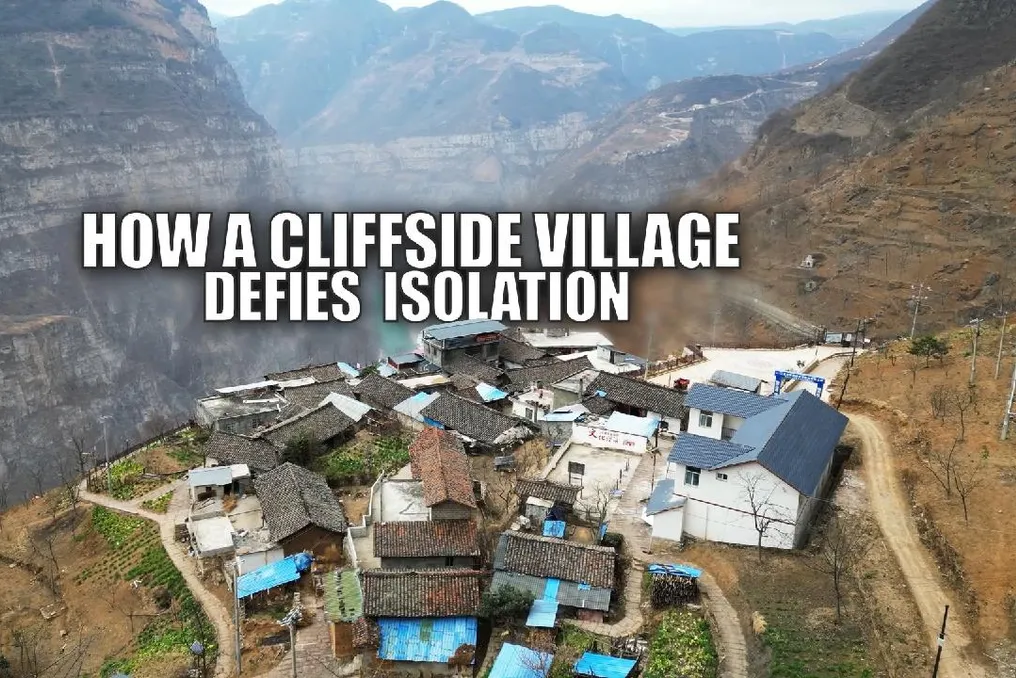
While rural communities across Africa have watched for generations as young people move to cities in search of better opportunities, a different story is unfolding in a remote mountain village in southwestern China. This transformation is built on strengthening community ties, improving living conditions, and enhancing rural viability.
In the village of Gulu, located in Sichuan province, a 750-meter cable car spans a deep mountain canyon, providing residents with a vital link to the outside world. What visitors might perceive as a picturesque attraction has become a symbol of the changes taking place in this village.
During a trip from Kenya to Gulu, the author sought to understand how China's efforts to revitalize rural areas are changing life in communities far removed from vast cities and modern skyscrapers. This journey revealed a stark contrast between the past and present of the village.
According to village head Zheng Wanchun, residents previously faced immense difficulties accessing basic services. Before roads and safer routes reached the area, descents from the mountain could take several days. Children spent hours traveling to school, access to healthcare was difficult, and many families struggled with inadequate housing, food shortages, and lack of electricity.
Progress came gradually. In 2003, a narrow mountain path was laid, offering an alternative to dangerous cliffside routes. The road reached the area in 2009, and the cable car began operating in 2018, helping to overcome some of the geographical barriers that had isolated the community.
Today, tunnels and bridges connect settlements in the mountainous landscape, and infrastructure projects have improved access to essential services. A nearly five-kilometer pipeline supplies water to residents, solving a previously intractable problem.
However, the transformation of Gulu is not just about roads, bridges, and cable cars; it is also linked to creating economic opportunities. Local farmer Lan Xuan notes that improved transport links have attracted more tourists to the area, opening up new avenues for selling local produce and delicacies. She says that tourists from major Chinese cities are increasingly discovering this village, aided by social media.
For communities striving for a sustainable lifestyle, the hope is that better connectivity can generate income and give residents more reasons to stay in their hometowns. Nevertheless, challenges remain.
Resident Xiang Yucai points to an aging population, as many young people have moved to cities with their families. Although improved infrastructure has raised the quality of life, reversing the trend of rural-to-urban migration remains a more complex challenge.
The experience of Gulu offers insight into China's broader strategy for rural revitalization, which aims to link infrastructure development with agriculture, rural industries, public services, and improved living standards.
As an African journalist, the author raised a question extending far beyond China: can rural communities become places of opportunity rather than places people feel compelled to leave? Many African villages face similar issues, including poor infrastructure, limited access to healthcare and education, and inadequate economic prospects. Despite the differences in circumstances, Gulu provides a case study on how targeted investments in connectivity and local industries can help address some of these barriers. The mountains around Gulu have not changed. What has changed is how people move through them and what opportunities better connections can create.