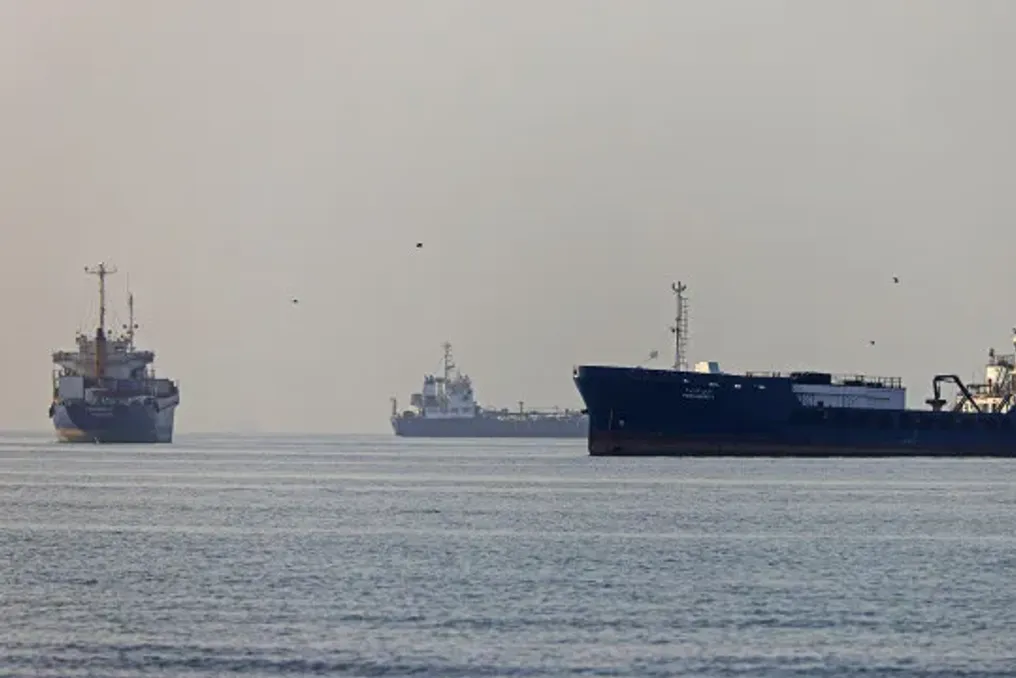
The U.S. Central Command for the Middle East (CENTCOM) disclosed that the United States assisted Gulf countries in exporting 1.5 billion barrels of oil through the Strait of Hormuz since the summer.
In a statement published on the social network X, CENTCOM also reported that over 3,000 commercial vessels managed to transit the Strait of Hormuz, with 95% of them sailing with complete safety, avoiding the blockade imposed by Iran.
Iran claims control over the Strait of Hormuz since the end of February, at the beginning of the Middle East conflict, which was triggered by attacks by the United States and Israel against Tehran on February 28.
The Islamic Republic demands that all ships obtain permission to cross the strait, a route that before the conflict accounted for one-fifth of global oil exports.
In response to the attacks by the United States and Israel on Iran on February 28, which resulted in the death of Supreme Leader Ayatollah Ali Khamenei and high military officials, Iran retaliated by attacking American and Israeli interests while restricting access to the Strait of Hormuz, a vital strategic route for global energy supply.
Washington responded by imposing a blockade on Iranian ports, which caused losses in trade exchanges and the country's oil exports.
A ceasefire agreement, scheduled for mid-June, failed, with both parties accusing each other of violating the established terms.
Since then, the United States has conducted sporadic attacks against Iranian targets, while Iran has begun attacking ships attempting to cross the strait without proper authorization.
Admiral Brad Cooper of CENTCOM stated on the social network X that the main shipping routes of the Strait of Hormuz remain free of Iranian mines, thanks to significant efforts by the American presence.